Author Archives: administrator

Butter vs. Margarine: Is one better than the other?

They both look the same, so the competition comes in for either taste and nutrition or both – so let’s get down to the details to understand the difference.

  Butter Margarine
Origin Cow’s Milk Plant oils
Production process Churning Hydrogenation or Refining
Colour Yellow due to carotene or annatto Added artificial colour
Flavor High Negligible
Fat type Saturated Trans-fat
Cholesterol High Low
Protein (per 100g) 1g 0


Now how did Margarine even come into being?

Butter has always popular and by 1860 it had become so prevalent that Emperor Napoleon III of France offered prize money to anybody who could find a cheaper substitute. That is when French chemist HippolyteMège-Mouriés invented margarine.

Since then it has been adopted by many a family as a cheaper version of butter to use their daily foods as well as baking. It is only later in time, after much research, did studies show the level of unhealthy fats or trans-fats that were present in it. Other scientists pointed out the high levels of saturated fat in butter which could lead to heart disease; while some others pointed out that it was rich in Vitamins A, D, E, K and Selenium while margarine had zero nutrition value.

The argument however continues!

There is no real winner in this battle – it is all about striking the right balance. If you opt for margarine, read the label carefully and make sure that there are minimal/no trans-fats. If you prefer butter, remember to eat in sensible quantities.

Still confused? Go to a nutritionist to help you understand your metabolism, nutrition requirements and risks better.

References

https://www.slideshare.net/pptsaresilly/butter-margarine-and-lard-comparison

http://www.diffen.com/difference/Butter_vs_Margarine

http://naturoveda.com/butter-vs-margarine-one-healthier/

The environment and you

Everything around us, the air we breathe, the water we drink or even the roof above our heads; are all a part of us. We are a part of the complex ecosystem that makes survival and living possible on this planet. Collectively, we have termed this space where we thrive, our “environment”.  Every year, we dedicate one day to take stock of its vulnerability and its delicate health to plan how we can spend the rest of the year in safeguarding it and repairing some of the damage we have caused. This has been a vicious circle, moving on repeat for close to a decade.

This year’s World Environment Day theme is to help us comprehend the value of the space that allows for life and its sustenance – “Connecting people to nature – in the city and on the land, from the poles to equator”.

In our current pursuit to increase human life-span and live healthy, we have evolved to focus our everyday lives around 4 main tenets – Fitness, Nutrition, Mental well-being and Healthcare. Although we try to salvage the damage we cause, we never pause to think about how our everyday functioning relates to nature; how every minute and every activity affects and effects the environment.

Here are a few ways in which you can connect with nature everyday:

1. Fitness –
Making your fitness routine more eco-friendly is a win-win situation.

  • Instead of a run on a treadmill, go for a hike to the closest hill
  • Ride your cycle to work instead of your car.

2. Nutrition –
Increasingly, the food Indians eat are exported from outside. Shipping our food long distances uses up a lot of energy and contributes to global warming. In addition, nutrient content of our indigenous soil stands to get depleted if not cultivated often.  Here are ways we can make a small difference:

  • Start consuming products and food that is locally grown. Nutrients are returned to the soil in the form of compost and the ecological cycle remains stable.
  • Avoid foods that have been grown using chemical pesticides. These not only affect the soil but also prove bad for health. Organic products grown using natural pesticides like bacteria will work better.

3. Mental wellness-
Nature contributes to our mental well-being more than we realize. Our moods can be altered based on the environment around us. Here are some activities that can prove beneficial to both the environment and you:

  • Feeling low? Nothing a walk in wide open green spaces can’t fix! In our urban sprawl, promoting the growth of these nooks is increasingly important. This contributes to stabilizing the ecological cycle too!
  • Interaction is an inherent part of human psyche. Indulging in activities together with your community will not only help your mental health, but also save on precious resources and energy for the environment.
  • While at it, you could also volunteer to save trees together or even clean up your city!

All you need to know about Melanoma

What is Melanoma?

Melanoma is a type of skin cancer that develops in melanocytes – the cells that are responsible for skin-pigmentation. Melanocytes are in the epidermis (upper layer of the skin) and produce melanin, the pigment that helps protect human’s skin from UV radiation.

How to spot a melanoma?

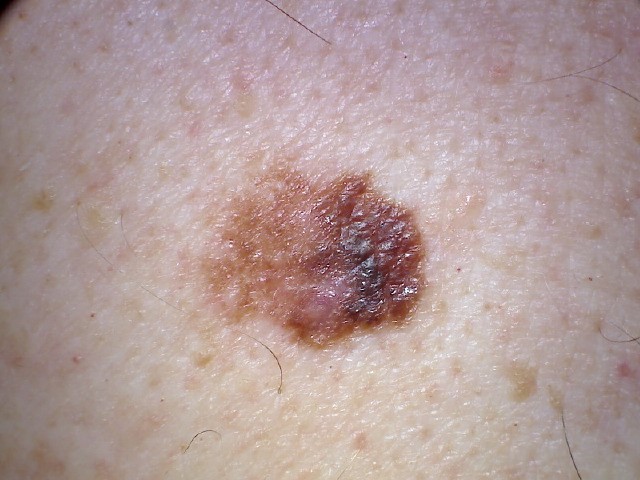
Common traits of melanomas are the growth of new moles and pigmentation in pink blue, white, purple, red or even skin colour. It also occurs in palms, mouth, back of the body & legs.

Melanomas can develop from an existing mole or grow as new moles. Panic not, because the majority of moles are non-cancerous. Melanoma is common among people who are exposed to higher degree of the Sun’s radiation and tends to occur in the part that has little to no exposure to the radiation. If left un-noticed or un-treated, this disease will spread to other parts of the body like the lungs, liver bone or brain.

melanoma


Here’s an easy term to remember to analyse Melanoma – ABCDE Signs

A – Asymmetry – If you draw two lines through a mole/pigmentation, the two halves will not match.

B – Border – The edges of the mole/pigmentation will be uneven or have a smudged appearance without a border.

C – Colour –The mole/pigmentation will be multi-coloured with speckles in shades of brown, tan, red, white, blue or black.

D – Diameter –
The moles/pigmentation will be at least 6mm in diameter and sometimes start as a small dot.

E – Evolving –
The size of the mole/pigmentation increases as the disease progresses and are usually 6mm in size at the early stage.

Treating Melanoma:  Like other cancers, melanoma can also be treated. When  detected at an early stage it can be completely cured. The treatment options available are
– Surgery
– Radiation therapy
– Adjuvant therapy
– Chemotherapy
– Immunotherapy

Although Indians have higher concentration of Melanin which means we are naturally built to fight this disease ; studies have showed that due to the change in climatic & environmental changes, the disease is posing a serious threat to Indians also. This is why we highly recommend that everyone is alert to any changes in their body, its capability and its reactions to outside factors. It is better to be safe than sorry!

References:

https://skinvision.com/en/articles/what-is-melanoma-the-complete-storyhttp://www.skincancer.org/skin-cancer-information/melanoma#panel1-1

5 foods that help in muscle growth

Muscle growth is usually a gradual process that takes a lot of dedication to achieve. It is not just about trying to get those bulging biceps like all those body builders who are probably your inspiration; besides, trying to ape their fitness routines and diets may lead to a quick burn out. Ditch those exorbitantly expensive protein shakes and supplements and try some naturally available foods that are sure to help you with your fitness goals.

Here is a list of simple, no-fuss foods that can get you from flat to fab:

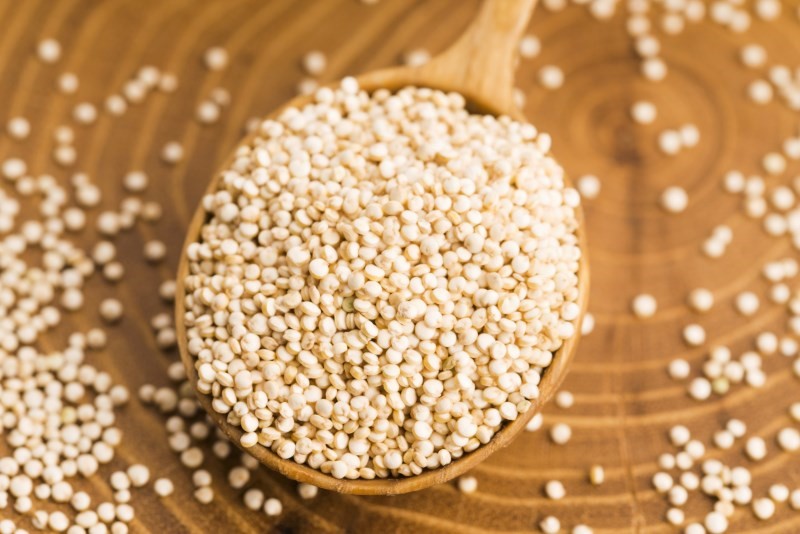
1. Quinoa

A good source of carbohydrates, a 100 grams serving of Quinoa also packs 14 grams of protein along with essential amino acids. This gluten-free food is also easy to digest and is high in fiber, magnesium and iron.

White quinoa seeds on a wooden background

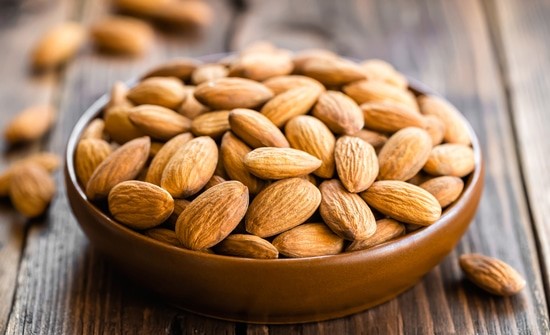
2. Almonds

Just 1/4 cup of almonds contains nearly 8 grams of protein — that’s nearly 2 grams of protein more than your typical egg! Almonds are also an excellent source of heart-healthy monounsaturated fats and magnesium. Magnesium is specifically known to be involved in energy metabolism and protein synthesis.

almonds-in-a-bowl-on-wooden-table-max

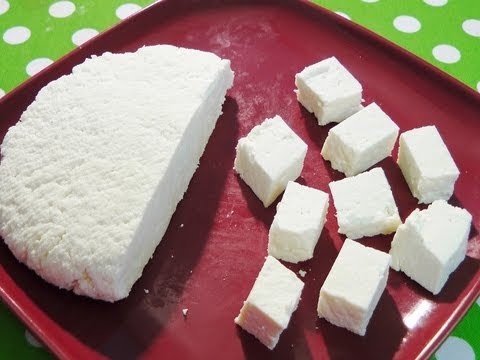
3. Paneer

Just 1/2 cup of low-fat cottage cheese packs a whopping 14 grams of protein in only 80 calories with less than 2 grams of fat. The protein also breaks down slowly, leaving you feeling fuller for a longer time.

hqdefault

4. Banana

Bananas have three types of sugars. Fructose, sucrose and glucose, these sugars are prime for pre/post training. Bananas are fat and cholesterol free, extremely portable, and nutrient dense.

220px-Bananas

5. Olive oil

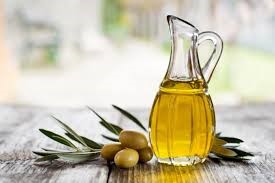
The monounsaturated fat in olive oil helps prevent muscle breakdown and protects joints. Olive oil is rich in monounsaturated fats and omega-3 fats. These good fats are heart healthy. Olive oil is anti-inflammatory and helps with muscle pain and inflammation, aiding recovery, making it a perfect muscle building food.

download (2)

References:

https://stronglifts.com/20-super-foods-you-need-to-build-muscle-lose-fat/

http://www.menshealth.com/nutrition/muscle-food/slide/3

http://www.foxnews.com/health/2015/04/01/10-best-foods-for-muscle-growth.html

How to deal with mid-life crisis?

Many of us do hit a stage of life where we realize that time may have caught up with us in which we may suffer a crisis of confidence that impacts our lives and careers. Getting through a midlife crisis is a challenge, but it is something which can be dealt with.

Here are four strategies for coping with this difficult stage of life:

1. Nurture yourself

With midlife challenges, a fast pace lifestyle can be stressful. Taking time off for yourself can make a world of difference and allow you to put events and challenges into perspective. Turn off the cell phone, television or your computer and pursue fun or out of the ordinary activities, such as visiting a park, getting a massage or going for a bike ride.

1


2. Exercise

Physical activity is the best way to relieve stress and elevate your mood. Even a 20-30 minute brisk walk around the neighborhood will help. Fitness activities are necessary to maintain mental and physical health. You can also include your friends or family members in your fitness activities for additional support.

2


3. Create New Goals

Taking steps towards positive changes can bring new energy to your life and career. Make a list of everything to accomplish in the next year, in the next five years, and in the next twenty years. Talk to your loved ones about your new personal goals, and how they can be achieved.

3


4. Talk to someone

Don’t bottle your feelings up. Talk to someone you trust, it can be your friends, family or a therapist. Alternatively, keeping a journal can help you make a sense of your thoughts and feelings and understand the stresses in your life or career.


References:

https://www.mindtools.com/pages/article/midlife-crisis.htm

http://www.moneycrashers.com/what-is-midlife-crisis-signs-symptoms/

Calorie Burning Yoga Variations

Yoga has always been considered to be advantageous – both physically and mentally helpful. It has many health benefits, including fighting off stress, building muscle, improving flexibility, boosting immunity, and more. But people often wonder if yoga really helps one lose weight.

Here are few yoga variations that get your heart pumping and your body sweating.

Hatha Yoga
This is the most standard and generic form of yoga that you may find at your gym or local studio. It combines a work out and mental discipline, with the goal of integrating and refreshing both body and mind. It consists primarily of poses to extend strength and adaptability and controlled breathing (pranayama).
Calorie count in 60 min: 175 – 298


Ashtanga Yoga
It’s a notably intense and physically athletic kind of yoga, with difficult, fast movements. It’s both cardiovascular and meditative, and depends on the strength of your own muscles to perform the movements. It is supposed to purify the body by cultivating an “internal heat,” that burns off toxins. It additionally builds great strength, flexibility and is known for reducing stress and keeping the mind focused.
Calorie count in 60 min: 450 – 550

3


Bikram Yoga
This type has a set structure consisting of 26 poses and two breathing techniques. Heated environments increase your pulse rate and metabolism. Though you get hot, the act of sweating helps to manage the inner body heat, and additionally assists in ridding the body of toxins and enhances flexibility within the muscles.
Calorie count in 90 mins: 330

2


Vinyasa Yoga
Vinyasa is a flowing form of yoga that additionally links the breath with movement. It is a strength-training method and also the completely different poses particularly the standing, arm balances, back-bends and inversions utilize body resistance. The body doesn’t have time to be told, adapt or return to expect what comes next.
Calorie count in 60 min: 550

4


Reference:

http://www.fitday.com/fitness-articles/fitness/cardio/calories-burned-for-yoga-is-it-enough-for-weight-loss.html

https://www.simplemost.com/how-many-calories-you-burn-in-each-type-of-yoga-class/

https://www.yogatraveltree.com/blog/article/which-yoga-burns-the-most-calories

The Anatomy of a Fad diet

A low-carb diet is the best.

No, a no-carb diet is better.

The Paleo diet is the way to go.  Or better, go vegan!

High-protein diets are the most effective.

Etc. Etc. Etc.

What are all of the above? Short-lived fad diets that are recommended to people to lose weight.

Do they work? Maybe.

Should you try? No!

And here’s why:

  1. Fad diets can cause dehydration: The first 2-6 kilos you lose on a diet is because you are losing water weight and not fat like you are often made to believe. Your body actually needs much of that water, as a reserve, to prevent dehydration.
  2. Your body can become fatigued easily: Most fad/short-term diets simply don’t give your body what it needs in terms of nutrients and fuel, which can cause extreme fatigue, hunger and loss of motivation.
  3. You don’t get enough of the necessary stuff: Fad diets usually cut off one food group or the other from your meal. The problem is our body needs something from every food group to be fit and you are end up denying yourself good health.
  4. You lose muscle: Most of these diets end up focusing on the food part and miss out on telling you that you need to get the right amount of exercise. Deprived of exercise, your body does not build muscle, and without enough muscle tissue, your body will not burn calories to its maximum potential.
  5. You put your heart at risk: Most people who go on fad dieters quickly put their weight back on once they stop the diet as the latter are never long term. Unfortunately, quick weight loss and gain can be worse that having a few extra kilos as it is a strain on the heart putting you at a higher health risk.

These are just a few reasons to stay away from a fad diet, but they are reason enough. What you need to do instead is:

  • Analyze your meals and your energy requirements
  • Weed out the unnecessary junk elements
  • Maintain the right proportion of carbs, proteins and veggies based on your energy analysis and activity levels
  • Drink a lot of water
  • Exercise consistently

And all of this on a everyday basis and not as a short-term plan!

Reference:

http://www.rd.com/health/diet-weight-loss/fad-diets/

https://draxe.com/fad-diets/

Importance of Medication in Curing Mental Illness

Did you know 1 in 5 people experience mental illness in some form? And this is not the scary part. What is scary is the fact that this illness is more common than other deadly diseases yet the most neglected because of the stigma attached. With the advancement in science and research, these disorders can be treated and corrected by medications.

In simpler terms, getting help for mental illness should be equivalent to getting treated for other physical illnesses such as headaches, TB or eyesight problems. Researchers have proved that mental illness is a result of chemical imbalance in a person’s brain and it can be addressed with the help of medication and just like with any other medication, this treatment will also take time to show its effects.

So if you or a person you know is suffering, we request to you break the stigma and get the right treatment. The first step towards treatment is getting diagnosed. Only through diagnosis can a doctor prescribe the option that suits you best.

Below are the medication categories from which doctors generally prescribe:

1. Anti-psychotic – Used to treat schizophrenia and bipolar disorder, this drug helps reduce or eliminates the tendency to hallucinate and helps maintain a balance in mood. It also promotes focus on reality, sleeping habits and effective communications.

2. Antidepressants – Used to treat insomnia, depression and anxiety, this drug is helpful in suppressing the chemicals in the brain that upset one’s mood and emotions while promoting sleep and concentration.

3. A mood stabilizer – As the name suggests this drug helps one maintain a balance in their mood and helps to cope with life’s ups and downs with ease. This drug is more commonly combined with antidepressants to treat severe forms of depression.

4. Stimulants – Are prescribed to treat people diagnosed with ADHD – a disorder that causes hyperactivity and reduced attention span in an individual. This drug stimulates the brain and paves way for it work more effectively.


While these medications help treat the actual illness, the patient undergoing the treatment might experience a few side effects. It is highly recommended that the patient or the care taker is watchful and in touch with their doctors periodically to face undesirable situations.


Reference:

http://www.mentalhealthamerica.net/medication#types

The magic of seafood

Millions of people in the world rely on seafood, as it is a primary source of protein. It is an excellent low-calorie food, which also promotes good heart health. If you are dieting or want to make healthier choices when it comes to the food you eat, it’s important to understand the nutritional value of seafood.

Nutrition

Delicious and nutritious, seafood is low in sodium and cholesterol and contains about 20% of the high quality proteins of red meat and poultry. It is also low in fat and most of the fat it has is poly-unsaturated.

red-meat


Omega 3 fatty acids

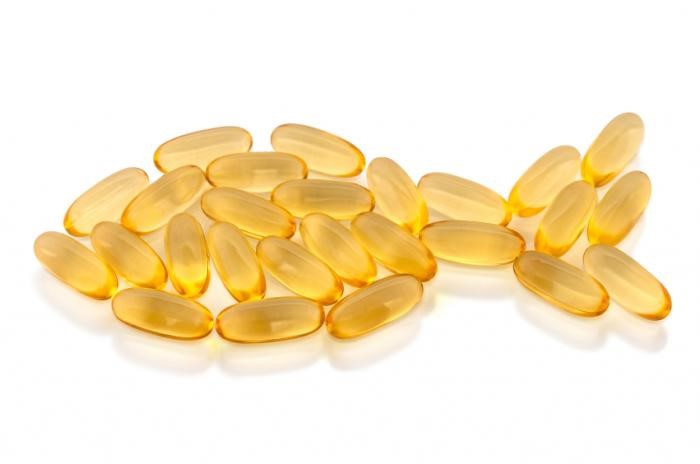
Omega 3 fatty acid found in seafood protects the skin against UV rays from the sun and it has also been found that fish oil can help reduce the prevalence of acne. A sufficient intake of omega-3 fatty acids also promotes brain growth in infants and children.

2


Vitamin source

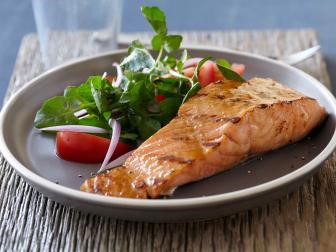
Fish is also a good source of B Vitamins – B-6, B-12, Biotin and Niacin. Some types of fish, such as salmon, are rich in vitamin A, which helps protect vision and boost the immune and reproductive system’s capabilities.

3


Mineral source

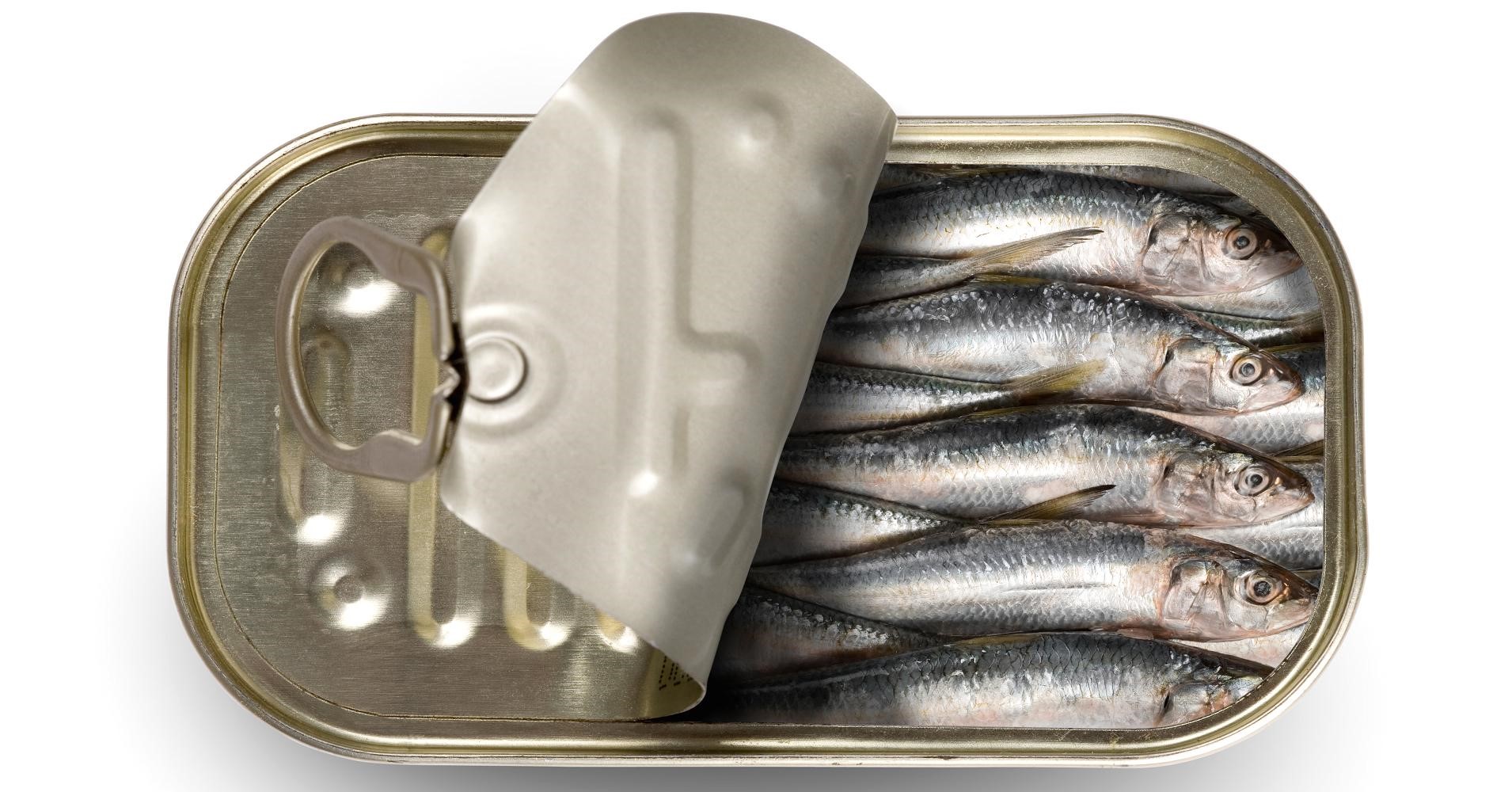
Fish are a good source of several minerals, especially iron, phosphorus, potassium and zinc. Canned fish with edible bones, such as salmon or sardines, are also rich in calcium.  They are also essential for the development of the central nervous system.

4


References:

http://www.seafoodhealthfacts.org/seafood-nutrition/healthcare-professionals/seafood-nutrition-overview

http://www.healthfitnessrevolution.com/top-10-health-benefits-eating-seafood/

How does mountain climbing help with fitness?

Planning to try mountain climbing for a fitness adventure? It’s not enough to just show up with your gear and guidebook, you’ve also got to be physically prepared to go the distance, as there aren’t any quick exits from the side of a mountain. Your planning must include spending an appropriate amount of time and energy on getting your body’s physical systems prepared for any kind of obstacle.

Keeping that in mind, here are a few tips you need to keep in mind:

1. Building Strength
Mountain climbing requires a lot of strength.  Since it’s not only your body that you need to pull up the mountain but it’s also, a large backpack that your body needs to carry along. Start 3 months prior. Include exercises such as pushups, pull-ups, dips, squats, and lunges. Once your body gets used to this, add extra weight with a weighted vest or a loaded pack on your back. Strength training is a must to build stamina and have control of your weight. Best choice exercises are dead lifts, front squats, bench press and military presses.


2. Increasing Stamina
Most people aren’t going to ‘bag a peak’ in an hour or 2, therefore increasing your stamina is a vast piece of coaching for mountaineering. Having the ability to stay moving and alert, for hours and hours, is a key talent for mountaineers. Any mountaineering exercise plan should include both aerobic endurance (running, cycling, and aerobics classes) and anaerobic endurance coaching (High intensity interval training), which might include both continuous movement and high intensity interval coaching. You need to keep moving your body upwards, activities like step climb (with a pack) and hiking steep terrain are nice for operating those lower body parts which can bear the force of the work once you are truly out on the mountain.


3. Altitude Training

Climbing mountains isn’t like too many different adventure sports, even apart from the danger factors concerned. Sure, the fitness requirements are somewhat kind of like other activities (such as strength and stamina), however with mountain climbing, the higher you get, the tougher your body needs to work. Additionally, it will take days for a body to conform to high altitude, thus it isn’t enough to easily head for the hills and begin coaching. However the nice news is that for shorter length climbs, the potency of your body may be raised through your stamina coaching, and a body that uses oxygen more with efficiency tends to try and do higher at altitude.


4. Climb, Climb, Climb

After all the intense level training, the real test is when you actually step on the rock. And one of the best ways to train is, you guessed it, to go climbing. Climb often, climb hard, and climb smart. Motivate yourself and continue motivating till you reach the top!

Reference:

https://www.seeker.com/how-to-prepare-for-mountain-climbing-the-exercise-regimen-that-will-ge-1765466422.html

http://www.alpineinstitute.com/articles/physical-conditioning-for-mountaineering-expeditions/

https://www.thebmc.co.uk/health-benefits-of-climbing-and-hill-walking

« Older Entries Recent Entries »