Author Archives: administrator

4 tips to forming a habit
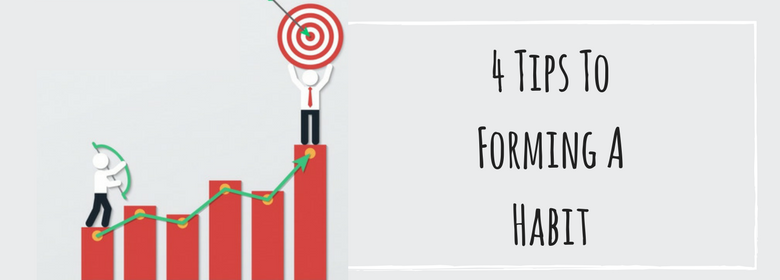
Forming a habit can be a big struggle, right from getting started, sticking to the habit, staying motivated and dealing with disruptions. And yet, to change our habits is as big as changing our lives. If we bring in no change, there will no new ways to do things which might get monotonous and which in the long run won’t do any good. If you want to get fit, beat procrastination, keep a journal, start yoga, and live mindfully … you have to push yourself! To make it easier, you have to be committed and really want to make the change. Otherwise you’ll just quit when things get difficult.

Here are few tips to forming and maintain habits:

1. Begin with just one –
You might want to change 5 things about yourself but to begin with, pick 1 and work towards it. Changing or getting used to new habit might not be easy but when you’re working towards it one at a time, you know you have to give it your all!


2. Remove choice –
Do not let yourself skip days. Make a decision ahead of time to work on it every day at a particular time. And just start. Make it akin to your daily routine – like brushing, showering or having lunch and use that as the starting point. Put a reminder on your phone. Take the decision to do it every day, and then just do it without thinking.
3. Have accountability –
Have a person that you can report to or a group of friends who will push or motivate you. It doesn’t matter how you set it up, but having someone to report to means you are that much more likely to push yourself past the resistance when it comes up.


4. Make it fun and stay committed –
Find different ways to make it fun because when the fun element pops in – there will be lesser reasons for you to quit. The habit is much more likely to stick if you focus on the parts you enjoy, rather than mindlessly trying to check it off your to-do list. And in this way your commitment stays.
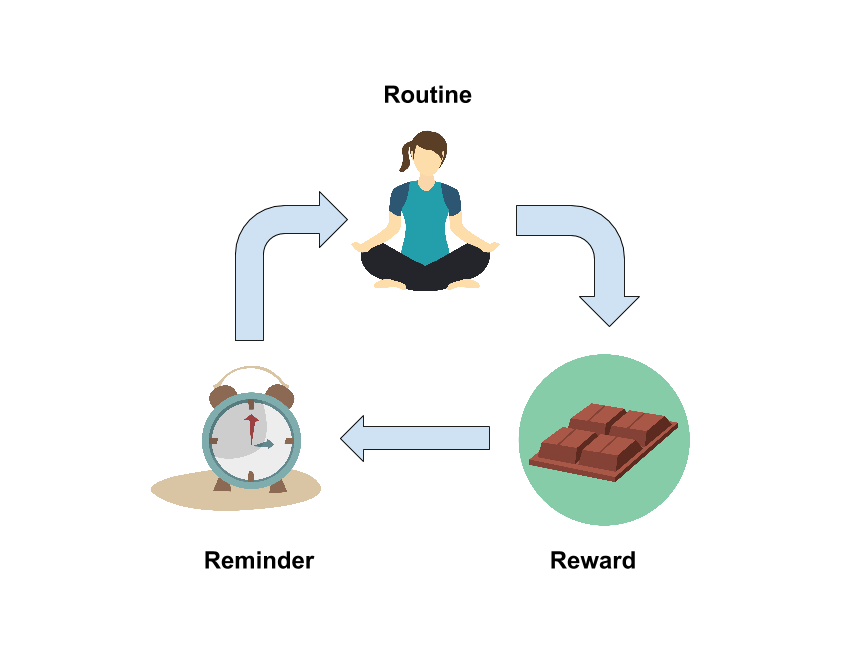
Habit-loop-1

Reference:

http://www.briantracy.com/blog/personal-success/seven-steps-to-developing-a-new-habit/

https://zenhabits.net/habit-keys/

http://www.chopra.com/articles/5-steps-for-creating-healthy-habits-0

 

How to stay healthy at work

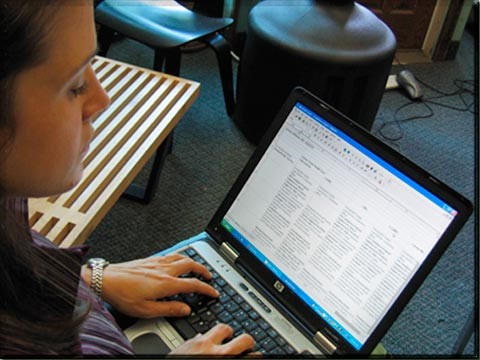
Spending an average of 8 hours in a chair in front of a laptop for 5-6 days a week can be both physically and mentally draining. This is how long hours, slouching, slumping, and straining dominate the office. From avoiding eye strain and tension neck syndrome to indulging on those extra calories that co-workers leave invitingly on their desks, there are various reasons why one could stay unhealthy.

Here is how you can clean up your act before the bad habits set in:

1. Give your laptop a second look

If your laptop is in direct contact with your eye, you will need to raise it. The top of the screen should be in level with your eyes. The idea is to get your eyes looking down about 10 degrees. If the screen is lower or higher, your head points down or up, causing both neck aches and backaches.
1


2. Poor posture

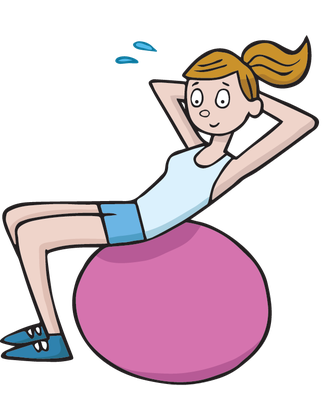
Sitting for long hours on the chair can make you slouch and develop a bad posture. Most people sitting at a computer get drawn into the screen, putting strain on the neck and spine. But what you can do is some basic neck exercises every day that will help keep away the muscle contractions and pain.
2


3. Surf the Web

After doing some serious content or a monotonous work, looking at some memes or interesting articles is sure to distract your routine and lighten you up. Browsing the internet rejuvenates and boosts productivity. This break is almost equal to going for a coffee or snack break.

3


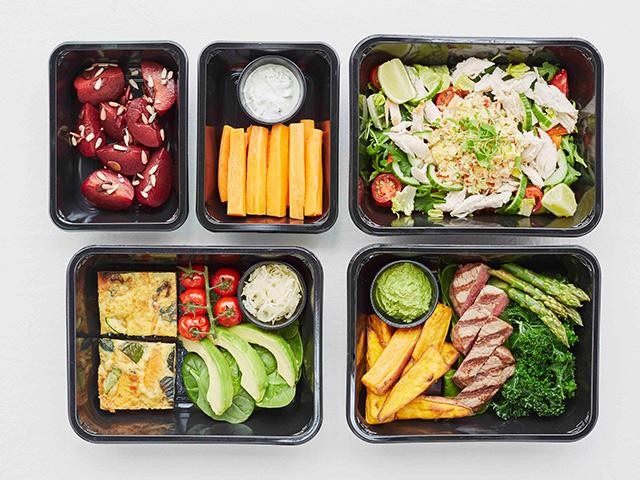
4. Eating healthy
Many a time when you are bored, you end up binging on whatever is available – in which case ‘healthy’ is hardly the first option that you pick. Try it for a change! Healthy snacks definitely keep you refreshed and energized for longer. Fatty foods only contribute towards feeling bloated and heavier. If this is hard, convince your colleague to eat healthy too!

4


Reference:

http://abcnews.go.com/Health/ways-stay-healthy-work/story?id=14363408#

http://time.com/3566809/computer-health-tips/

http://www.webmd.com/women/features/10-tips-to-improve-your-health-at-work#1

How to deal with tight Hamstrings

The hamstring is the muscle at the back of your thigh. When you strain it there is a sudden sharp pain in the area that can render you immobile for a couple of minutes. You’re likely to get a hamstring strain during activities that involve a lot of running and jumping. It is common among athletes and individuals who indulge in sports.

Medically, hamstring strains could also be caused due to dehydration, muscle fatigue, poor blood circulation in legs or due to potassium deficiency.

Although mild hamstring strains may not hurt too much, severe ones can be agonizing. The next time that muscle cramps, try out these easy strategies to help ease them.

1. Stretch out the muscle

To stop the pain, gently lengthen the muscle. Stretch the muscle out encouraging it to let it go. Don’t go too fast or hard, or it could tear the muscle.

1


2. Drink

Grab yourself an isotonic drink. Isotonic drinks delay the fatigue in your muscles and bring up their performance by 20%.  Coconut water and fruit juices may also help.

2


3. Icing the muscle

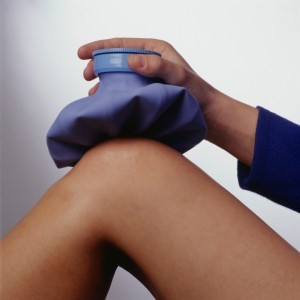
Ice application can reduce pain caused by a hamstring cramp. It reduces pain by making nerves in the area less sensitive. Wrap ice in a damp towel and apply it to the injured area for 15 to 20 minutes every two to three hours throughout the day.

3


4.Warming the muscle

Using heat on the muscle cramp may also be an effective way to relax the muscle and alleviate pain. A warm bath and heat rubs on the affected area can also help reduce the pain.

4


5. Watch your diet

Including enough nutrients in your diet may minimize how often you experience muscle cramps. Bananas and oranges are rich in potassium. Consuming yogurt, milk and other dairy products that are rich in calcium can be highly beneficial.

5


References:

https://gmb.io/hamstring-flexibility/

http://optimalsoccer.com/tight-hamstrings/

HOW YOUR MIND AFFECTS YOUR BODY

What happens when you are angry – does your body feel tense?

When you are nervous – do you feel nauseous?

When you are in shock – does your blood pressure increase?

Yes, it might be a revelation that your mind and physical body have closer ties than you think and are not two completely independent systems. Just as how the rest of our organs work together to create a seamless harmony of functions, the mind and the body are connected as well.

Negative emotions like stress, shock, grief, and sadness can manifest physically in the following ways:

  • High Blood Pressure
  • Ulcers
  • Weight gain/loss
  • Insomnia
  • Chest pain
  • Palpitations

Why does this happen? When you are stressed, your brain and body is alerted to react in a way to warn you that something isn’t right. While a lot of these sensations are legitimate, sometimes your mind can even play tricks on you, causing you to feel ill – this is known as a psychosomatic disorder. And no matter what the case, it goes to show that your emotional health is as important as your physical health!

While not all health problems can be solved by just improving your state of mind, there is no doubt that medical treatments can be well-complemented by solid emotional health.

How can you improve your emotional health?

  • Get to the root of the problem to try and understand why you are so emotionally affected.
  • Express your feelings regularly and in healthy ways. Make sure to always let it out – whether it’s through a hobby, or listening to music, or talking to a loved one.
  • Calm your mind. Regular meditation, yoga and breathing exercises having tremendous benefits for your mind.
  • Take care of your routine: Eat regularly, sleep well, drink lots of water; while these are recommended for your physical health, they do wonders for your mental well being too!

Follow these, and what do you know – you might end up light-headed….with happiness!

happy-businessman-with-a-briefcase_1012-175

Tips to stay safe from Malaria

It’s summer and a vacation is likely to be on the cards. When picking out your destination, you may have done extensive research on accommodation, weather and all the fun activities you can indulge in. However, is there a small but significant aspect that you may have left out – The health factor?

There are a number of diseases and infections that you can catch in different countries. But if you are picking an exotic location where greenery and wildlife abound, then your biggest threat are mosquitoes. Out of all the mosquito borne infections, malaria is the most common and easy to contract.

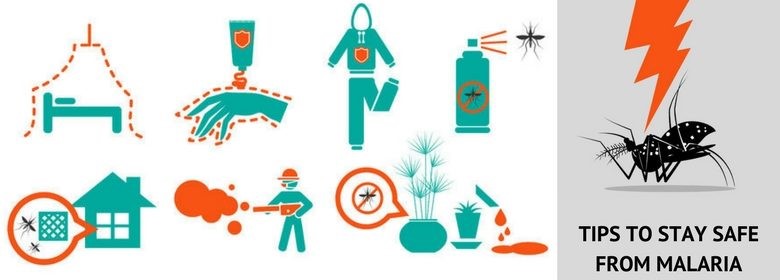
This World Malaria Day, make a note of these quick tips to ensure that you prevent and protect yourself from this disease:

1. Knowledge is health

Make sure you are well informed about your destination and the level of risk to contract malaria. Some factors to be considered are: Influx of mosquitoes during summer, duration of your stay, clothing for the activities you are planning to do and your accommodation.


2. Armed to keep out

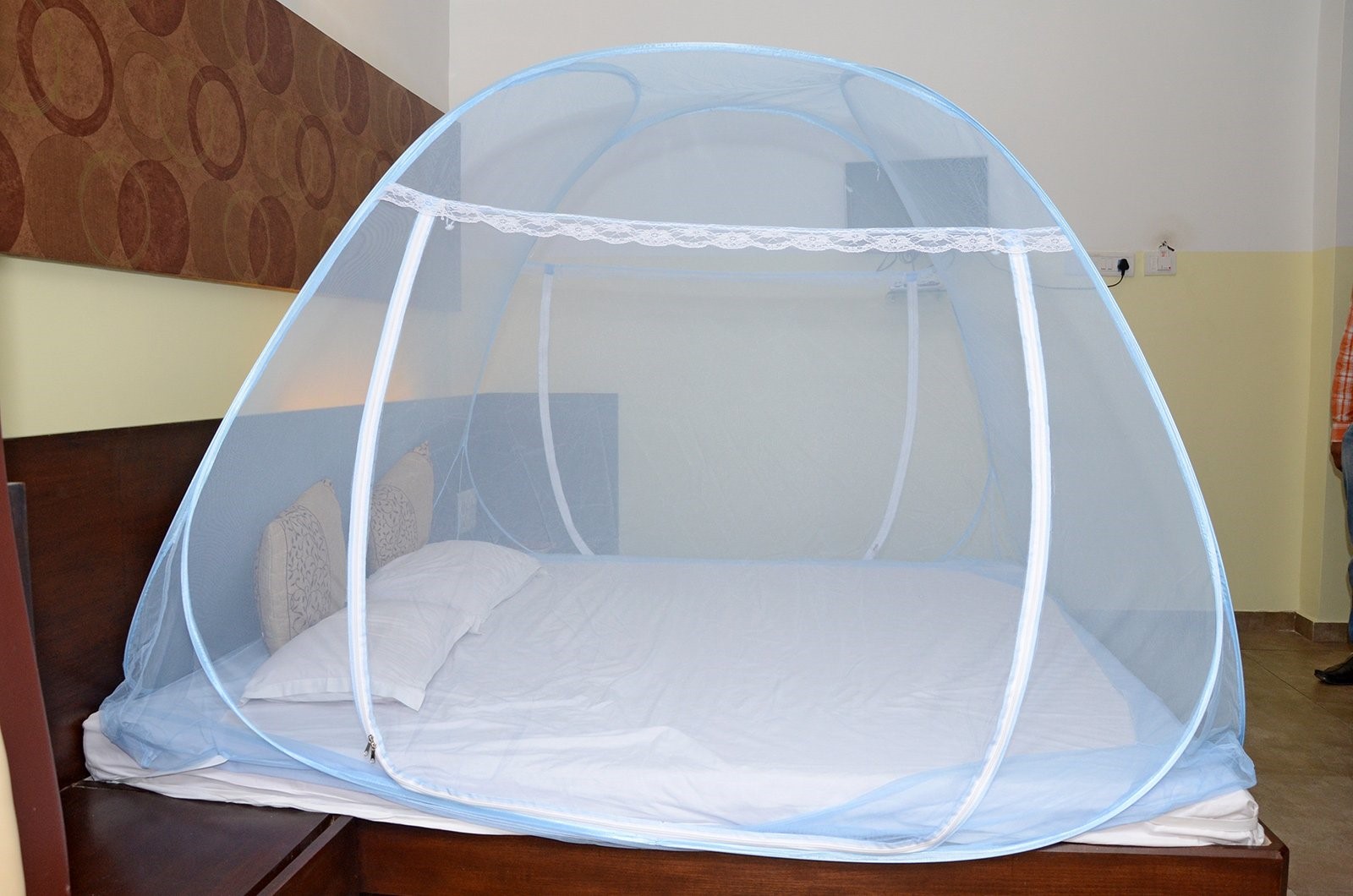
If you are planning a trip that involves outdoor stay, then keeping the essential repellants handy is a no-brainer. You will also most probably need a mosquito net specialized to keep the pests out.

1301_11_67


3. Accommodation

When planning your trip, try to choose places to stay that have fewer mosquitoes. If possible, stay in screened quarters or quarters with air conditioning. Mosquitoes hate closed rooms with cool circulating air. Ensure that you don’t stay next to lakes, ponds or any object that could potentially carry stagnant water.


4. Wardrobe Essentials

You’ll reduce the number of mosquito bites you get if you wear long pants and sleeves while you’re out and about during the day. Bring high-quality lightweight clothing that will allow your body to breathe while protecting you from bites.


5. Medical Safety

Before you travel or if you are a resident of a mosquito prone country, an inspection with a registered medical practitioner is mandatory. Getting a screening done periodically and taking shots or medication that will help against the disease is absolutely essential. Do remember to carry the prescription during travel and keep a stock of medication handy.


References:

http://www.nhs.uk/Conditions/Malaria/Pages/Prevention.aspx

http://www.wanderlust.co.uk/planatrip/inspire-me/lists/5-ways-to-avoid-getting-malaria

Boost Immunity With Exercise

Living in a city with our fast-paced lifestyles comes with its share of undebatable benefits – we are all used to and completely love the lifestyles we have!

However, this is not to say that it does not have its fair (or unfair?) share of downfalls.

We often hear people complain of many ailments and they often have to take a break from work to recoup – has our lifestyle led to the degeneration of our immunity? How do we work on boosting our immunity?

While the fat loss benefits of exercise have been talked about too often, what we need to focus on are the health benefits that exercise result in.

Here is how exercise can boost your immunity and keep you healthy.

Exercise helps reduces stress

Stress is one of the major factors that affect your immunity –  if you find yourself stressed all the time, odds are that your immunity levels drop and you are prone to more illnesses. Exercise helps keep stress at bay and boosts immunity.
f022e79ad4d9f26cb3baa8674907fe7b_dealing-with-stress-clip-art-dealing-with-stress-clipart_300-300


Exercise strengthens your mental health

Exercise helps release endorphins – the famous happy hormones that keep some mental illnesses at bay!  There is nothing like a healthy mind to help a healthy body.  And what better way than maintaining good mental health to boost your immunity?
1_-_PICBrainTrain_800x600


Exercise keeps your bones healthy

Regular physical activity keeps your bones healthy – it keeps you more energetic and fit and thereby reducing any risk of bone related injuries that occur when you are not moving enough.
bones


Exercise keeps you fit

In general, exercising keeps you fit and keeps away a host of lifestyle diseases that include diabetes, obesity etc.  This is a huge factor in today’s world where more and more people are prone to such disorders.

55rltef820b5uaovsaes.png.resize.710x399

So, how do you ensure that you boost your immunity by exercising regularly?

It does not have to be a drastic change! Here are five quick things you can do right away to stay fitter.

  • A short walk every day that lasts for 30 minutes or going for a run in the morning.
  • Playing any sport of your choice regularly
  • Cycling is a great way to keep yourself healthy without feeling like you are exercising!
  • Committing to an exercise routine – join a gym or a fitness class!
  • Getting into a home exercise routine – there are a host of videos from where you can watch and learn to exercise at the comfort of your home!

Exercising is not complicated but the benefits it does bring are a whole lot including boosting your immunity. So, quit making excuses and take up some form of exercise today to stay fit and healthy!


Basic first aid for common injuries

First Aid is immediate medical assistance to an injured/ill person until they can be fully dealt with. Did you cut your finger while chopping vegetables? Burnt your finger? Have a bleeding nose? Hit your head? Or are scraped from a fall? These tiny injuries happen almost every day, and most can be treated at home. But to handle them quickly, you need to know what to do and have the right supplies.

Here are few home remedies that will help feel better:

1. Burn:

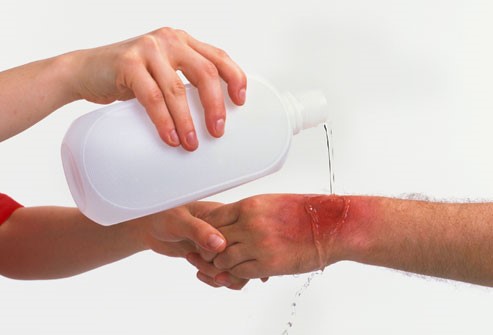
Immediately hold it under cool running water, or apply wet towels until the pain subsides. Once it reduces, cover the injured person with a blanket or towel and let them relax. This will help the pain subside and prevent hypothermia.

getty_rm_photo_of_cold_water_on_burnt_hand 

2. Nosebleed:

First things first – Do not ask the victim to tilt their head behind in order to stop the blood. Rather make them lean forward and pinch the lower end of the nose near the nostrils for 5-10 minutes. Do not break the flow in between. This will help the bleeding stop.

Nose-Bleed-Pinch


3. Cut/Scrape:

Take a clean cloth and place it on the injury and apply direct pressure to stop the bleeding. For minor cuts and scrapes, clean it and apply a thin layer of toothpaste or an ointment (Ex. Soframycin) and cover it with a bandage/cotton. In case of a deep cut/scrape, rush to a nearby hospital.

dog21


4. Eye irritation:

Being the most delicate part of the body, it needs to be handled with a lot of care. Do not allow the person to scratch their eyes. In case of irritation, blurry vision, or pain, make them look down and blink 20-30 times. If it still doesn’t stop, sprinkle water. Later, take a wet cold towel and place it on the eyes with eyes closed.

2989876b8b30333c17d7b2b4e8afcd35


5. Choking:

Do not give water first. This person won’t be able to speak or breathe properly. So stand behind the victim, cup your hands on the belly, push in and up towards the ribs about 5 times. Once the victim coughs strongly, the choke is settled. Now allow them to have water and be calm for a few minutes.

child-choking-1


Reference:

https://patient.info/in/doctor/first-aid-in-general-practice

http://www.parents.com/health/injuries/first-aid/fast-first-aid-tips-for-6-common-accidents/

The Art of Overcoming Procrastination

Do you know what feels better than getting work done right away? The feeling of knowing that you can afford to push it off for another day!

There is something about pushing things off for the last minute that makes us feel very comfortable at a given point in time. Some people even take pride that they do better under this “last minute pressure!”

Why do we put off things? Does it make it easier? Does it create more time?

The answer is a BIG NO – the only thing that comes out of procrastinating is more stress and chaos when you have to get something done. Not just the burden of finishing the task but the added pressure of meeting deadlines only tend to stress you out more.

Here is how you can get better, stay more organized, meet deadlines and most importantly, not procrastinate!

1. Organize your work

While it is recommended that you sit down every day and put down a list of things to do – if this seems too tedious, just roughly plan ahead for the week.

Having your tasks written down on paper makes you feel like you have to finish it and the feeling of “checking off” a task can actually motivate you.

download


2. Be Realistic

Why does procrastinating happen? Sometimes because you believed you had time for something but you actually don’t!

Stop setting lofty goals on a daily basis because that way you are either going to push off work or get burnt out.

Realistic


3. Learn to Say No

Why do most people who put off tasks say they are too busy to complete their own work?

Probably because they are saying “yes” to a lot of other tasks that people are constantly asking them to do.

Defining your priorities and saying “No” when you have to will go a long way in ensuring you are not pushing off important things to do.

asktheresultsguy


4. If it can be done in five minutes…. DO IT NOW!  

If there is a task that can be done right away or if it will take you only five minutes to do  – making a phone call, replying to an e-mail or doing a quick review, do it right away!

Pushing this for later only means that you are brushing work under the carpet and it would probably never get done and what started as a small task would become a major to-do on your list!

Do-it-now (1)


5. Give yourself rewards

It is very difficult to keep up the motivation to not push off things – so when you do well, make sure you reward yourself by watching that one episode of a show you want to or  by taking a small break.

Fair warning here – don’t get lost in the moment and forget the other tasks that are waiting for you!

rewards


6. Imperfect is okay

One of the major reasons people procrastinate is because they want their work or tasks to be perfect before delivery – sometimes imperfection is okay! While it is important to pay attention to detail and complete tasks with accuracy, make sure you do not compromise on deadlines and push off things just because you are waiting to do them perfectly.

imperfect


Are you in a food rut?

Are you bored of eating the same food due to lack of time, in order to maintain a healthy diet or to stay in shape? Then you are probably in a food rut!
A food rut is an unexciting feeling of eating the same food over and over.
For instance, you hate a restaurant because it was your go-to place to escape cooking or you’ve heard a friend whining about how dinner at home is always roti with different subzis. Then you and your friend are both facing a food rut!
While this is not necessarily unhealthy, it is always more interesting and probably healthier to have variations. Here are 4 simple yet do-able tips that you can try to escape this dullness.
1. Come up with a game plan!

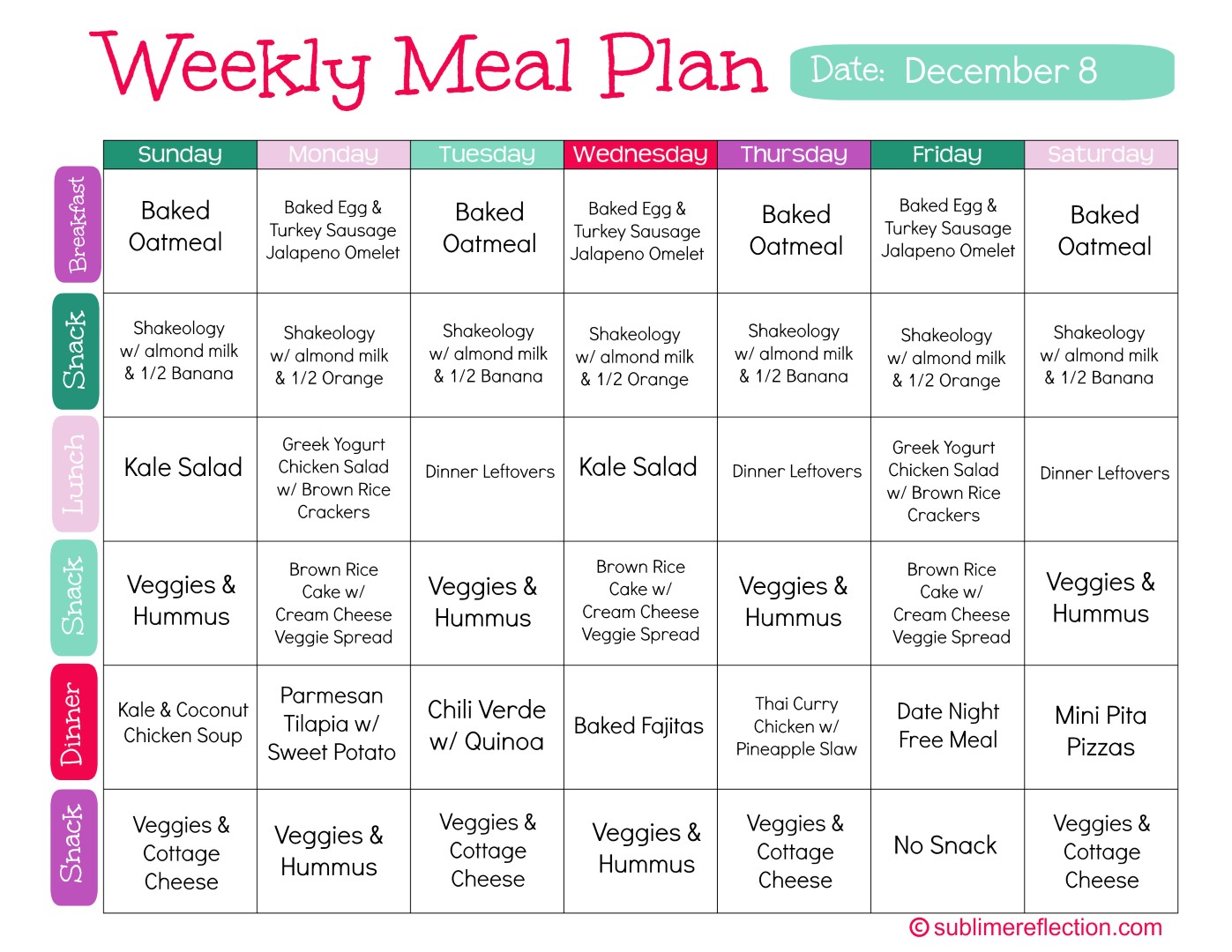
This is the most important tip! Because without a plan, you will end up using the left over ingredients from the last dish. So invest 20-30 minutes in coming up with a menu for 2 weeks. You can either plan the menu with your own knowledge or get inspirations from others.

Meal-Plan-12.81

2. Choose real food over processed food.

Real food is certainly healthier, gluten-free if required, and always available; most of all – they come with no label! You can buy them in bulk, try out a million dishes and freeze the remaining for future. It is a win-win right?

08ingred.1.600

3. Pep it up with the web!

The internet has an answer/ suggestion to all your queries. From recreating an old dish to preparing an interesting dish with the most common ingredients, the web has it all! You can find them in the forms of blogs & video-logs from experts from all over the world. Use them to prepare the yummiest, easiest & quickest dishes.

ext
4. Try the new buzz!

We are talking about an individual or a group of food enthusiasts with great culinary skills door -delivering homemade, delicious and customizable meals! They have many subscription plans with enticing menus. Don’t like an ingredient from the menu? Ring them up and notify them about it. You might wonder how this will work out, cost wise but unlike other ordered meals these are less expensive. You can look them up on the internet or in your local magazines. Pretty cool, right?

purepackagebodyboost__medium_4x3
We know this is easier said than done but trust us; this is worth giving a shot to break out from the monotony 🙂
References:
https://celiaccentral.wordpress.com/2012/05/14/5-tips-to-get-out-of-a-food-rut/
http://www.sparkpeople.com/resource/nutrition_articles.asp?id=1759

THE NEUROSCIENCE OF SPORTS

In schools, we are told to use a brain like a muscle – constantly put it to use, think, solve your math problems, and ideate to keep it working as well as it can. But get this – working your body muscles can benefit your brain too! Studies have declared links between mental and bodily agility and fitness.  Read on to find out how some of your favourite sports activities help your brain grow!


1. Aerobics: The hippocampus, i.e, the core of the brain’s memory systems responds well to aerobics exercises. Your memory boosts, and so does your cardio-vascular strength!

13maslabhangra_041


2. Walking & Cycling: Studies have also shown that certain activities help with memory formation, and not just retention. Controlled experiments revealed that these activities helped to learn a foreign language!

cycling


3. Basketball: Playing basketball has been proven to increase a person’s attention span. And if you feel like you don’t want to get out-of-breath just yet, even bouncing a few balls with your friends helps. Now keeping your eye on the ball equals focus, literally too!

Basketball


4. Running & Swimming: They don’t call it “Runner’s High” and “Swimmer’s High” for nothing. And no, it’s not just a release of endorphins that is behind it, which is a common misconception since studies found that endorphin levels in the blood spiked after prolonged exercise. Endorphins are large molecules, and they can’t move from the blood to the brain, so it’s unlikely that they are the sole chemical responsible for your brain’s high. A chemical called Anandamide is responsible too – and it moderates the psychoactive and feel-good highs of the brain. It leaves one with a feeling of elation, euphoria, and a better state of mind.

runner-swimmer-workout-700_0


5. Table Tennis: It happens to be the world’s best brain sport. A brain imaging study from Japan found that just 10 minutes of table tennis increases activity in the prefrontal cortex and cerebellum – it encompasses focus, hand-eye coordination, spins, and strategies in one action-packed game.

Table-Tennis-535x350


6. Martial Arts: Martial arts actually enhance the brain’s physical structure. Researchers found that people who participated in a form of martial arts had higher gray matter tissue density, resulting in better brain activity.

Martial-arts-21


So don’t be lazy or dismissive about sports – it’s a workout for your whole body, all the way upto the brain!


References:

https://www.sharecare.com/health/sports-and-athletic-performance/what-sports-help-stimulate-brain

« Older Entries Recent Entries »