Author Archives: administrator

In the Spice of Health 

India is the land of spices. Britishers colonized India for it, grandmothers vouched for its benefits and mothers ensured their kitchens never ran out of it. Need we say more? Spices are naturally bestowed with chemical components that act as natural healers for various kinds of illnesses. Apart from adding aroma and flavour to the food, it also acts as an appetizer and facilitates the process of digestion.
Here are 7 spices with their interesting nutritional and health benefits:
Black Pepper: When added to food, it aids in absorbing the nutrients wholly with the help of a chemical component called ‘Piperine’. It can be used to treat sore throat, cold, constipation and keeps lung and liver infections at bay.
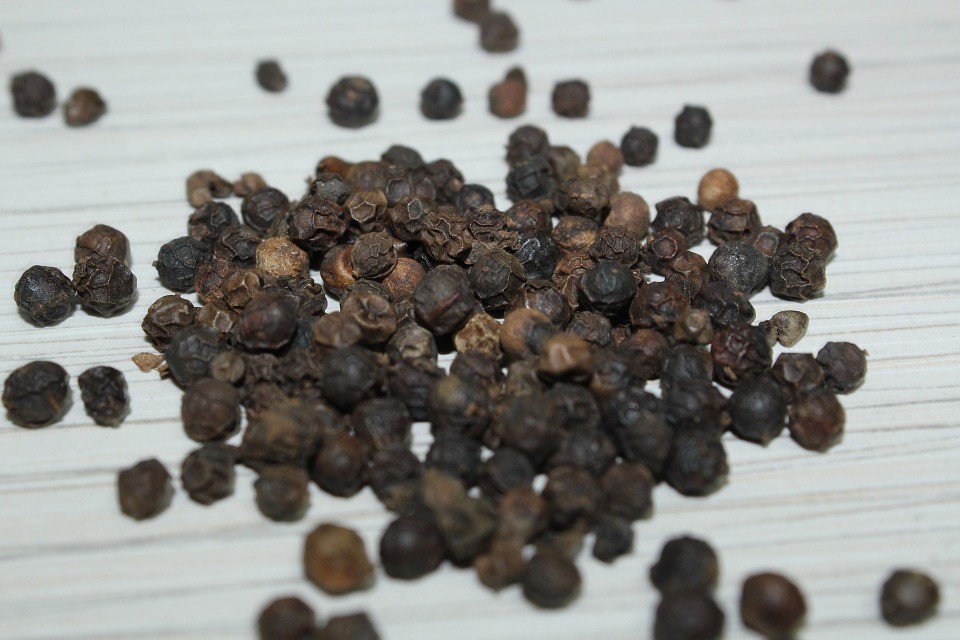
black-pepper-83086_960_720
Turmeric: It is filled with an essential antioxidant called curcumin, which has the ability to fight against cancer cells. It is also an essential antiseptic for cuts and bruises. It is also a blood purifier and helps keep a check on diabetics and blood pressure.
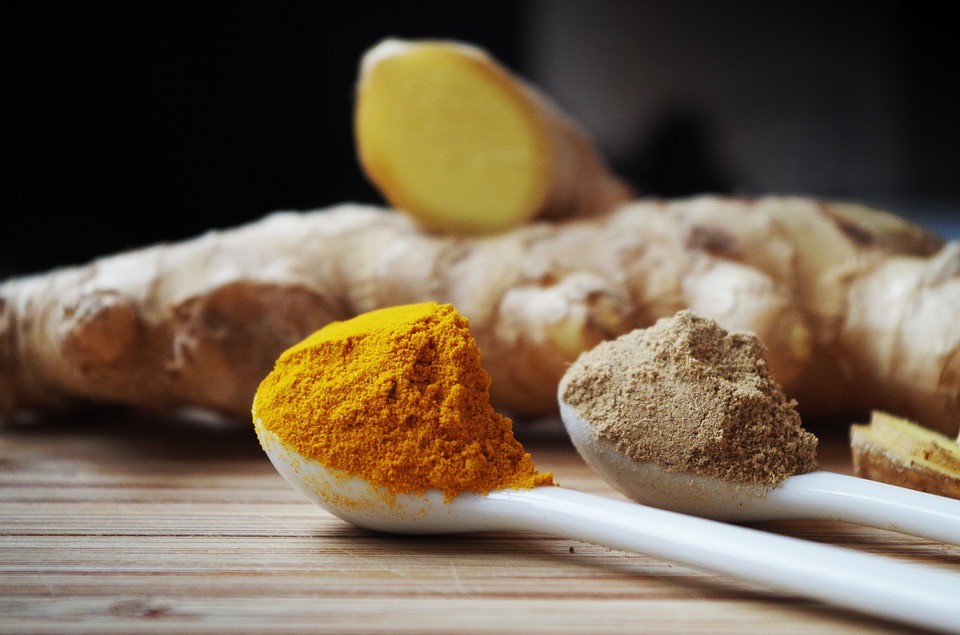
ginger-1191945_960_720
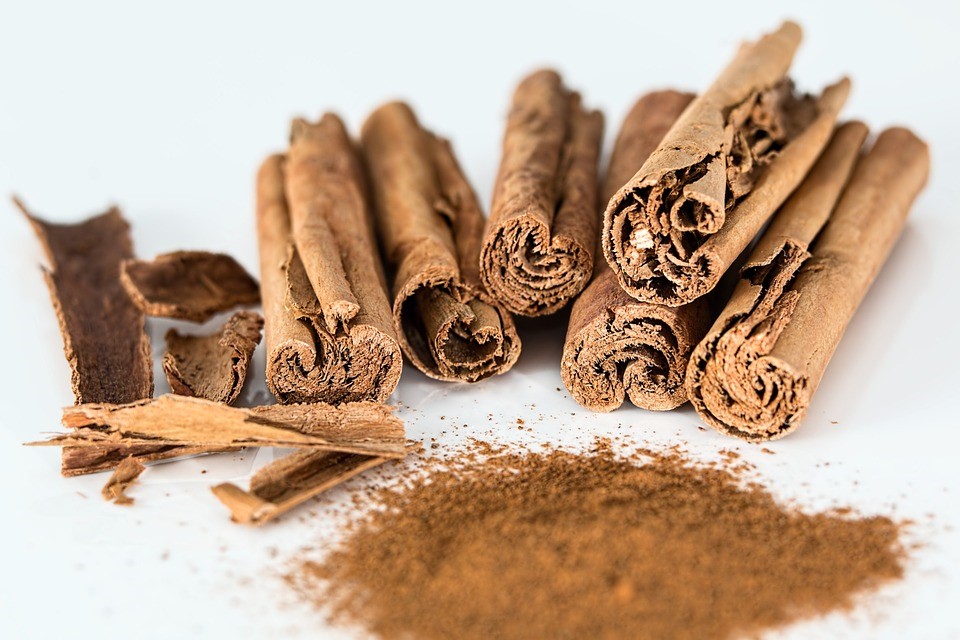
Cinnamon: Having ¼ to ½ of a teaspoon everyday can cut the cholesterol level by 12 to 30 percent. It is packed with rich antioxidants like polyphenols, which is a good regulator of blood flow to the heart.
cinnamon-stick-514243_960_720
Garlic: Eating 4 cloves of garlic every morning can reduce the incidence of a heart attack by 76 percent. They help fight back yeast infections, sinus and common cold. The compounds present in garlic are also known to ward off the cancer cells by forcing the cancer cells to eat themselves (self-destruction).

garlic-618400_960_720
Mustard: It activates the salivary glands to increase the momentum of the process of digestion. For people with frigid fingers, mustard tends to activate the nervous system and help in recovery. Avoid consuming more than one teaspoon of mustard per day.
download (44)


Ginger: Having ginger in considerable proportion can help protect the body against gastric ulcers. It is also a great medicine for people suffering from joint pain and osteoarthritis.

download (45)
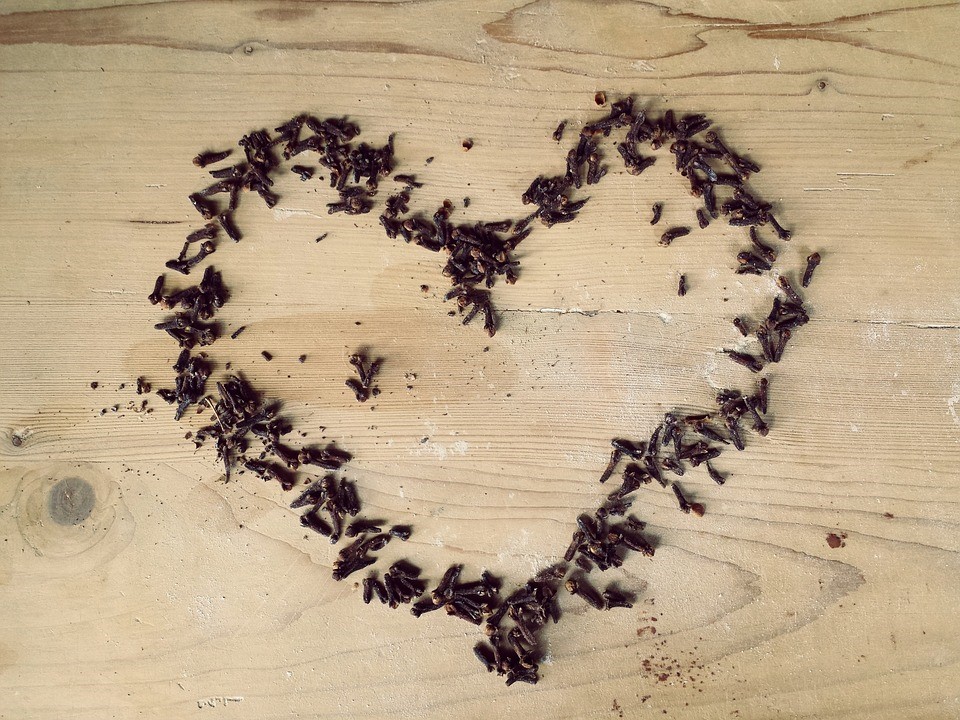
Cloves: Cloves are an excellent remedy for toothaches. They contain an anti-inflammatory substance called Eugenol which is good for bone and cartilage health.
heart-1668185_960_720
Saffron: It is loaded with 150 active and aroma-yielding compounds like carotenoids, lycopene,etc. that have rich anti-bacterial and anti-tumour properties.
download (46)
References:

http://www.rd.com/health/welln ess/10-healing-herbs-and-spice s/
http://www.thefitindian.com/am azing-benefits-of-herbs-and-sp ices/

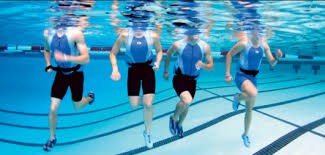
Fun Training with Aqua Aerobics

There is a constant need to find new and more fun activities for fitness. Traditional aerobics underwent one such evolution and somebody, somewhere, sometime decide to do it in water thus giving rise to the world of aqua aerobics. One good thing about this is that you don’t have to know swimming to exercise in a pool. On an average, it has been proved that a person burns 400 calories in 30 minutes which is 30% more compared to traditional aerobics. Water aerobics is basically done in a shallow swimming pool with water reaching your neck or chest. The density of the water results in a high resistance workout thereby making it more effective.
Advantages of Aqua Aerobics:

·         People of varied ages can get themselves involved in this

·         It improves the capacity of the body to balance and be flexible

·         There’s an overall cooling effect on your body

·         It’s the best form of exercise for pregnant women

·         Knowledge of swimming is not required

·         It enhances muscular endurance & toning


images (32)

We have listed below a few exercises that could help you burn fat in the water.
1. Water walk to warm up: Start your aerobics by simply walking inside the pool. You can either walk in the same place or move across the pool depending on the space.
2. K-treads for toning: All you have to do here is to move your hands in circular motion while lifting one leg parallel to the waist. The other leg has to be straight on the ground with pointed toes. Keep alternating your leg positions for 30 seconds in repeated sets.
3. Kick & Punch for cardio: As the name suggests, kicking and punching inside the water gives you a total body workout along with other cardiovascular benefits. You may use foam water weights for additional strength training.
4. Wave Makers for the lower body: This type of exercise works well on your abs, spine, legs and buttocks. Move to the corner of the pool and get the support of the wall handle with one hand and place the other hand on the wall just below the waterline for additional support. While facing the pool’s wall, keep your knees and feet together and lift your leg up and down alternatively like a flapping dolphin’s tail. Continue doing this for 30 seconds in repeated sets.
Always stay cautious while at the pool and ensure there’s always someone with you.
References:
http://www.livestrong.com/arti cle/273601-pros-cons-of-water- aerobics/

http://www.livestrong.com/arti cle/384749-list-of-water-aerob ic-exercises/

Nutrition Tips to Get Well Soon After a Surgery

Surgeries can save you from a lot of illnesses but at the cost of disrupting the natural layout of the cells involved. It involves cutting through the healthy cells of the skin to repair the damaged ones. Usually, a lot of care is taken after surgeries to help the tissues to heal themselves in a healthy way. This healing happens through repairing, rebuilding and replacing of old tissues with new ones. This process may demand additional nutrients from the food you eat and requires special attention on your diet.
Here are a few nutrition tips that you can follow for a quick and healthy recovery after a surgery.

Be generous on those proteins
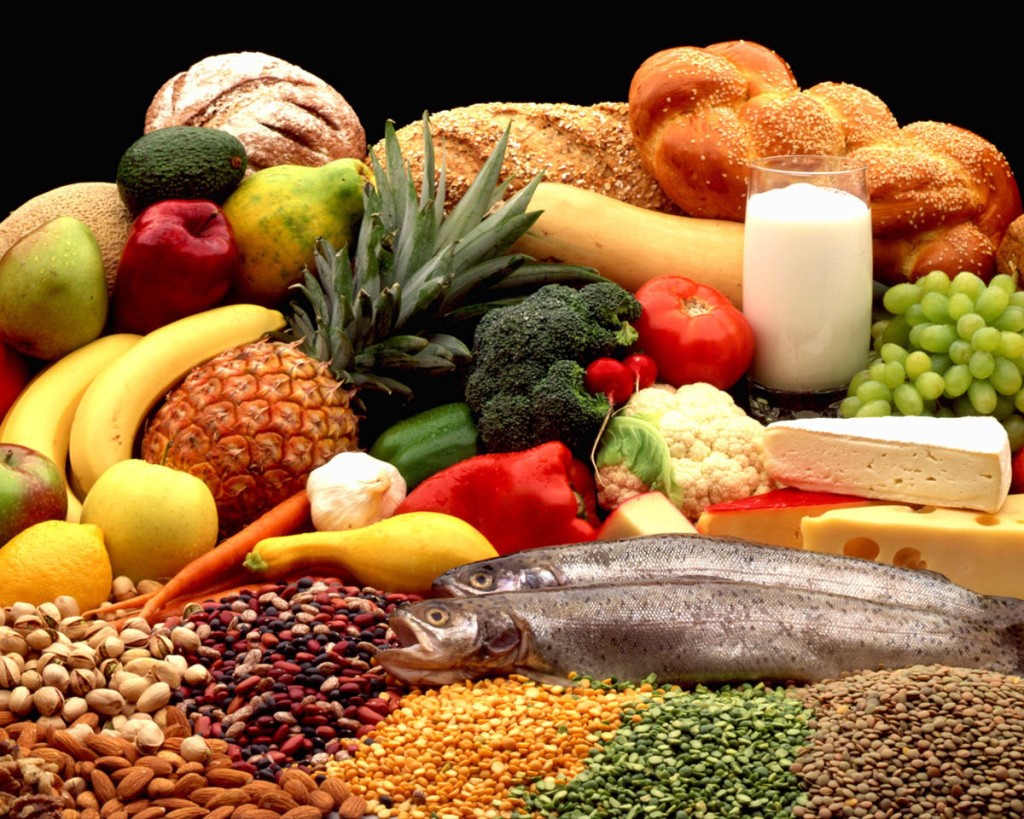
Proteins majorly help in cell reconstruction and recovery. Lean proteins are considered to be the ideal way of getting the most healthy proteins without having to consume the unhealthy saturated fat that comes otherwise. Some healthy sources of lean proteins include egg, cheese, low fat dairy, beans and fish. Nuts are also good contributors of proteins and can provide additional vitamins or minerals needed for wound healing such as selenium. Hence it is also advised to add peanut butter, granola bars and nut bars to your diet. Some physicians may advise you to stay away from nuts, so make sure you talk to your specialist before you plan your diet.

food1-1024x819

Always check the label before you buy food
It is mandatory to know what goes into your tummy. Watch out for anabolic steroids, saturated fat, trans fat, Neu5GC, methionine, cadmium, heterocyclic amines, IGF-1 and such harmful constituents that may slow down the activity of the cell rejuvenation.

food-labels

Beware of constipation
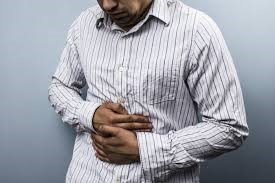
Constipation is a commonly occurring problem after surgeries and is mainly due to the consumption of painkillers. It is therefore necessary that you avoid constipation inducing foods like dry fruits, red meat, potato chips, sweets including cakes, candies, pastries, etc. and other high fat dairy foods. Eating food rich in fibre can have a natural laxative effect that can alleviate constipation.

download (43)

Embrace the vitamins
Vitamins are a must after any surgery. Vitamin A (found in dark green vegetables, carrots and oranges) and Vitamin C (found in citrus fruits, potatoes, berries, tomatoes, melons, etc.) help in the wound healing process. Vitamin D (found in dairy products, fish, eggs and fortified cereals) aids in healthy bone formation. Vitamin E (found in vegetable oils, nuts, beef liver, milk and eggs) protects the body from free radicals. Vitamin K (found in green leafy veggies, fish, liver and vegetable oils) is necessary for blood clotting.

images (29)

References:

http://www.northcentralsurgica l.com/blog/best-foods-to-eat-a fter-surgery-150.html

http://nutritionfacts.org/topi cs/breast-cancer/

https://www.verywell.com/what- to-eat-during-your-recovery-af ter-surgery-3156923

All You Need to Know About Dementia

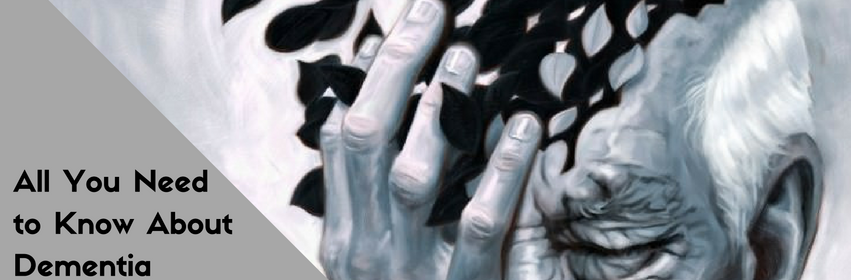
Dementia, by itself is not a specific disease. It is a collective term used to denote a variety of symptoms that result in the loss of the normal functioning of the brain due to the damage caused to the brain cells. As a result, the person may not be able to perform his day-to-day activities independently. Alzheimer’s disease accounts for 60-80 percent of the cases and vascular dementia is the second most commonly occurring type and is usually the after-effects of stroke. Dementia is mostly prevalent in old people but is considered to be a normally occurring phenomenon. People have to know that Dementia, like any other disease also requires treatment.
The following are the common symptoms that can be noticed in people suffering from dementia:

·         Poor reasoning skills

·         Difficulty in handling money in shops

·         Forgetting familiar environments and names of people

·         Inability to do basic calculations and remembering vocabulary

·         Garbled speech

Early symptoms of dementia also known as cognitive impairment, are often not very prominent and can easily get unnoticed. Most of the times, later stages of dementia cannot be cured easily but when detected early, it can be reversed with cognitive treatments and medication.

images (30)
The risk factors of dementia include:

·         Addiction to alcohol & smoking

·         Depression

·         Increased blood pressure, cholesterol & sugar

·         Sleep apnea


images (31)

Proper care has to be taken while dealing with such patients and here are a few dos & donts:
1. Such patients might get aggressive with their statements. It’s better to not force the person into doing something unless and until it is unavoidable.
2. Most of the time, these patients may disown their place of stay and would want to go elsewhere even though they’ve been living there their entire life. Under such cases it is better to have ‘short’ conversations with them to make them feel safe. Remember that lengthy conversations to reason things out may not work most of the time.
3. There is a high chance of dementia patients repeating whatever they say. In such cases it is imperative that you stay calm and repeat your answers. Getting angry may intimidate them and make them feel more insecure.
References:

http://www.aplaceformom.com/bl og/2013-02-08-dealing-with-dem entia-behavior/

http://www.nhs.uk/Conditions/d ementia-guide/Pages/symptoms-o f-dementia.aspx

12 Must-know Tips for Post Mastectomy Care

Mastectomy is the process of removing tumour affected breasts when the proliferation of the tumour cells is very high. Sometimes, it is also done as a preventive measure in women who are at a high risk of getting breast cancer. Mastectomy is either done on both breasts or on a single breast and may be either a complete or partial removal of the breast. Mastectomy definitely doesn’t promise you of a cancer free life after that. If proper care is not taken, the carcinogenic cells may bloom again and start killing the healthier cells around them, eventually leading to tumours.

breast_cancer_000014453948
Here are a few things you need to keep in mind after undergoing this surgery.

1. Never skip the medicines prescribed by your doctor. If you notice some allergic reactions, contact your healthcare specialist.

2. Don’t discontinue your medicines abruptly unless advised by your doctor.

3. Never use antibiotics that were prescribed for some other illness.

4. Dizziness is a common phenomenon that you could experience. So always remember to sit on your bed and relax after you wake up instead of immediately getting out of your bed.

5. The sutures on the breasts should not be touched or meddled with. While bathing, it is better to gently pat the area with a sterile towel soaked in warm water (bathe only 2 days after the surgery).

6. Avoid going for the monthly breast exam during your periods.

7. If you feel uncomfortable while sleeping, place a small pillow under the armpit without disturbing the sutures.

8. Do not remove the dressing or sutures by yourself.

9. A low fever of 100 degrees Fahrenheit is common the day after the surgery but if it persists, make sure you get help from your doctor.

10. Stay away from doing strenuous activities like cardio exercises, heavy lifting, etc, at least for two month.

11. Drink 10 glasses of water a day and avoid fatty foods.

12. Watch out for lymphedema, a symptom where the arm on the side where you had your breast removed, swells up and retains a lot of fluid. It is prevalent among 25% of the patients undergoing mastectomy and can usually be cured with prescribed medications.

References:
http://www.health.com/health/c ondition-article/0,,20188879,0 0.html

https://www.ucsfhealth.org/edu cation/mastectomy_instructions _after_surgery/

4 Types of Fitness Training

The world of fitness covers various forms of exercises, each of which yields different kinds of results. Any kind of exercise you do falls under one of these four categories:

·         Aerobics

·         Strength Training

·         Flexibility Training

·         Balance Training

Aerobics

This training involves exercises that strengthen the cardiovascular system by increasing the breathing rate and heart rate. These sessions help to increase the lung capacity and focus on maintaining a constant heart rate (60-80% of your maximum heart rate). The good thing about aerobics is that it involves a lot of muscles in the body and keeps them engaged in a rhythmic state for a sustained period of time to burn more calories in an efficient manner. Examples of aerobic exercises include jogging, running, elliptical training, swimming, climbing stairs, etc.

d38ff5e665f7811da3c15bf440034cbc

Strength Training

This involves exercises that help your muscles to increase their endurance to lift heavy weights. Strength training should be a part of every workout however it is more intensely focussed on by people who are interested in body building.

There are two kinds of strength training exercises:

·         Static Strength Training: These are isometric exercises that involve contracting your muscles without involving the movement of the joints. Examples include holding a dumbbell steady with your arm extended outward.

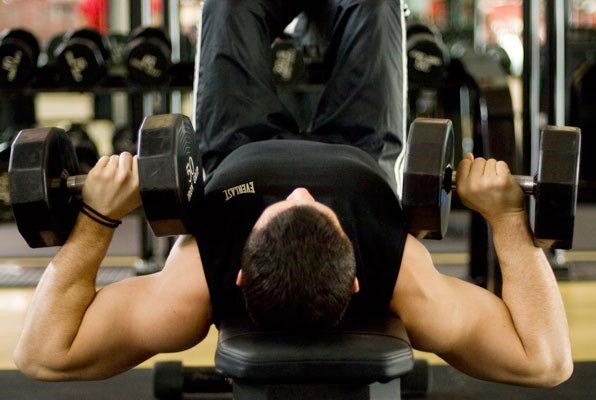
·         Dynamic Strength Training: These are isotonic exercises that involve the joints as well. Resistance is used to work the muscles of your body such as a bench press or a sit-up.

strength-training-workouts

Flexibility Training

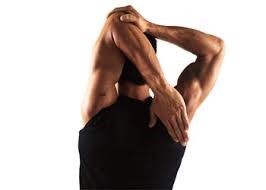
These exercises form the foundation for all other exercises. It is always better to start with this exercise which involves stretching your muscles to prepare them for intense workouts. These exercises are good because they improve the flexibility of the muscles and thereby reduce the risk of injury. You can also resort to this kind of training when you want to improve your posture.

images (28)

Balance Training

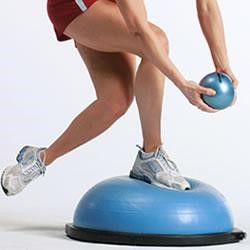
These are not very intense exercises but are good for old people who wish to maintain healthy muscles, bones and joints. Doing this training helps old people in preventing falls and helps them move freely without any help. Examples of balance training include one-legged balance, tai chi, leg swings, etc.

balance


References:

http://www.captel.com/news/hea lth-wellness/learn-four-differ ent-types-exercise/ http://www.livestrong.com/arti cle/534321-five-types-of-fitne ss-training/

Breast Care Tests to Consider this National Mammography Day

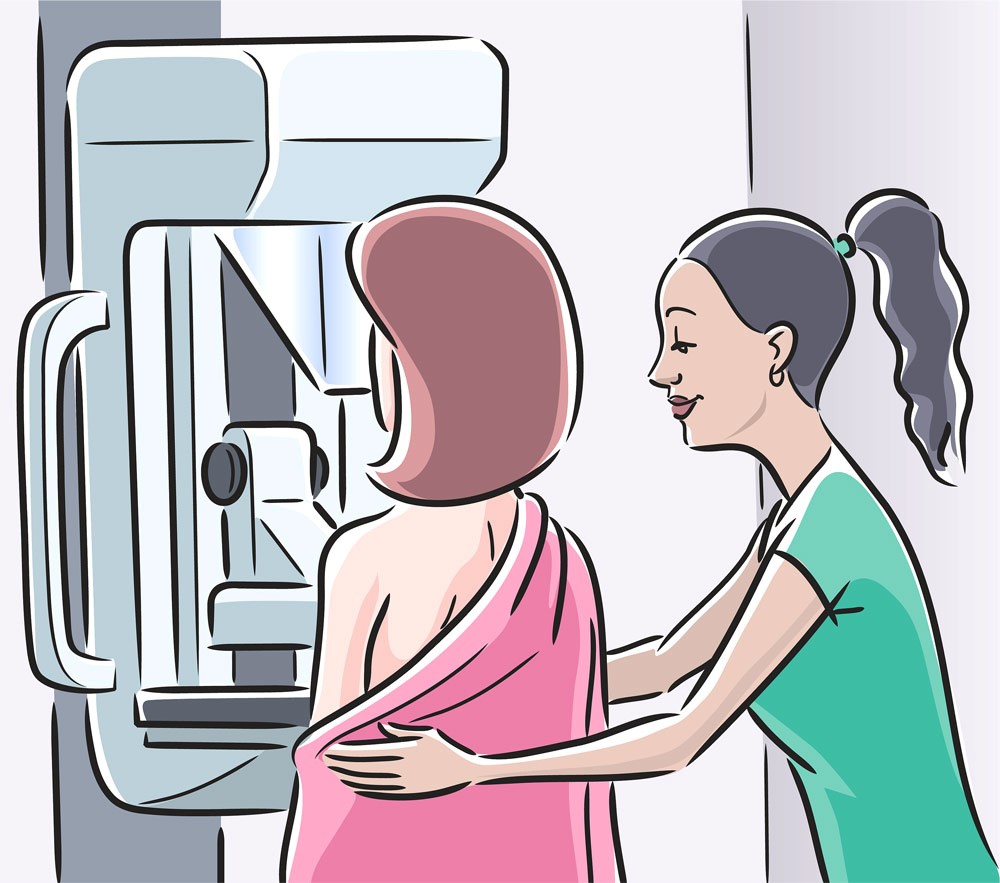
Last week we broke some myths and explained the facts about breast cancer and today, on National Mammography day get ready to be enlightened about breast cancer tests that every women has to necessarily undergo with respect to her age. It was in 1993, that the importance of breast cancer awareness was felt by the world and initiatives were taken to dedicate the month of October every year to spread awareness. If you’re asking us if Breast Cancer Awareness is still an issue even after 20 years, the answer is yes. Most are aware of the concept of Mammography but not many know when and how often they should get it done. Did you know that breast cancer is the most common cancer among women and the second most deadly cancer after lung cancer? If you’re a woman over the age of 40, it is imperative to schedule your mammography test right away.

Here are the tests every woman should consider based on her age:

Age 20- 40: Clinical Breast Examination & Mammostrat Test The American Cancer Society (ACS) claims that these tests have to be done once every three years by women aged between 20 and 30. Mammostrat test is a genome test that measures the level of breast cancer cells that are present. Also, there are a few self examinations which can be made at home like touching your breasts and looking for unusual lumps, spots, contraction or expansion of the nipple, etc. While doing this every month you will be able to differentiate any abnormality that may occur eventually since you’ll then be familiar with the look and feel of your breasts.

706305606

Age 40 and above: Mammogram, MRI & MBI It is recommended that every woman above 40 should get a mammogram screening every year. It is better to visit a qualified physician and discuss your risk factors and lifestyle choices so that they can then devise a time-table for your screening tests depending on your family history and other factors. Sometimes, women who have been treated for breast cancer before or those who have had their breasts removed might have to get breast MRIs or Molecular Breast Imaging done regularly. Usually a qualified physician will be able to guide you through this. It’s now your turn to spread the word and keep the women of our Earth healthy and protected!

Reference:

http://www.self.com/story/tips-for-good-breast-health http://www.breastcancer.org/symptoms/testing/types

14 Lesser Known Signs of Depression

Depression is a silent killer and is often not a topic that is discussed comfortably. Depressed people assume that they will be tagged as mentally ill and hence try to do things discreetly. Reality is that a depressed person cannot function like a completely healthy person. This disease is chronic and requires constant effort to come out of it. Proper care has to be taken by self and people around since the chances of relapse are high if the person discontinues certain habits that helped him/her in recovering from it. We have already spoken about depression and steps to overcome it in our previous blogs. This blog however is a list of rarely talked about feelings that might actually be warning signs of depression.

1.       You will often feel your head warming up from the inside and a huge lump of a blocked emotion choking your throat always.

2.       There is always a loud cry that you can hear within yourself everytime you get annoyed and feel irritated.

3.       You will reach a point where you feel like crying your heart out but you can hardly get tears out of your eyes.

pg-08-are-you-lonelier-than-you-think-full

4.       Your days are either bad or better – never good. You also never seem to accept the compliments that people give you.

5.       Sometime loneliness can cause numbness in your brain and make you feel like you’re drunk.

6.       You feel like violating rules and regulations in every place you go to.

7.       Skipping showers and refusal to dress up can become a common habit.

symptomscommon

8.       You show lack of involvement in your family and kids.

9.       There is always a feeling of exhaustion, tiredness and lack of energy.

10.   You sometimes forget to eat or end up skipping meals on purpose.

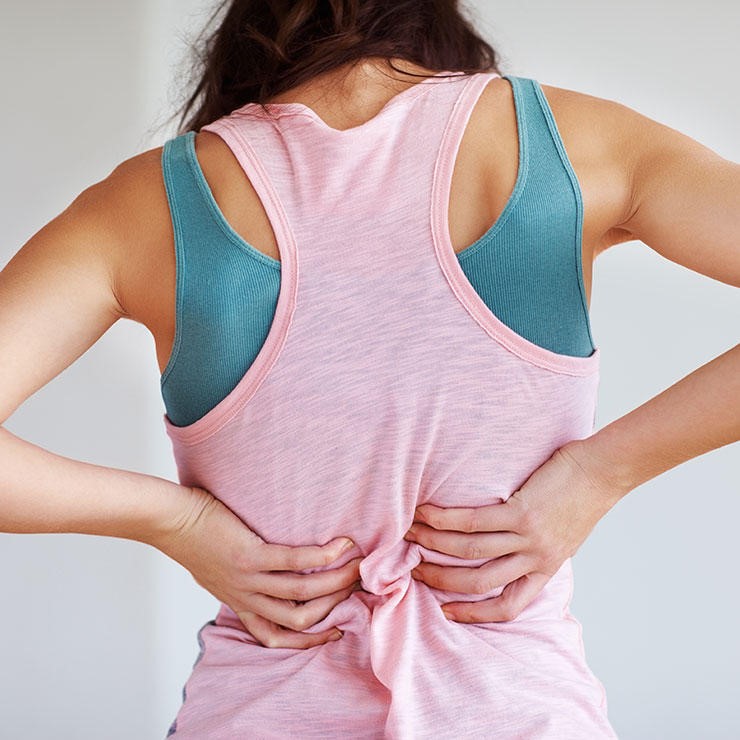
11.   Unexplained headaches, back pain and stomach pain become a recurrent problem.

getty-134045679-in-pain-jacob-wackerhausen

12.   You may overdo things you like (E.g. Driving, clubbing, playing instruments or listening to music continuously for hours, etc.)

13.   You may struggle to frame emails and long sentences and tend to forget some of the words in your vocabulary.

14.   Disturbed sleep patterns make it very hard for you to start your day fresh.

depression

References:

http://www.lifehack.org/articl es/lifestyle/8-things-people- with-hidden-depression.html

http://www.helpguide.org/artic les/depression/depression- signs-and-symptoms.htm

Nutritional Benefits of Breastfeeding for Mommy & Baby

Breast milk is by the far the best kind of nourishment for a newborn and it is suggested that a period of six months of breast milk nourishment is compulsory for all babies. We wanted to talk about this topic given the fact that it’s breast cancer awareness month. If you’re asking us what breastfeeding has got to do with cancer, read further.

1. Protection against breast cancer 

The spectrum of benefits that breastfeeding has to offer is huge. One of the major benefits that breast milk offers is the release of anti-carcinogenic hormone that gets secreted in the body of the mother and gets into the baby’s body while nursing. This hormone has the tendency to make the breast resistant to cancer. Research shows mothers who breastfeed lower their risk of pre- and postmenopausal breast cancer and can also lessen the risk of uterine and ovarian cancer.

download (41)

2.  Nutritional Benefits

For the baby:

Breast milk  nourishes the baby and helps it fight off against bacteria and viruses. The milk contains certain specialized antibodies that will keep allergies and infections away. Also gastro-intestinal infections like diarrhoea and constipation in the initial days can be kept at bay this way. The immune-protective components include:

Lactoferrin (rich in iron)

Lysozymes & leucocytes (rich in antibodies to fight against bacteria & viruses)
Secretory IgA (an important immunoglobulin)

Bifidus factor (to promote the growth of beneficial bacteria)

images (24)

For the mother:

Breastfeeding apart from establishing a lovely bond between the mother & the baby, also tends to stimulate healthy recovery during the post-partum phase. Release of Prolactin & Oxytocin gives the mom the necessary peace of mind and helps her deal with mood swings that may arise due to lack of sleep and disturbed circadian cycle.

According to a British report each 100ml of breast milk produced after 21 days of lactation is as follows:

70 calories

89.97 g of water

7.4 g of carbohydrates

4.2 g of fat

1.3 g of protein

gfg

Also, the body of the mother burns 400-500 calories a day in nursing the baby. For a new born, nursing once every 4 hours is advised by specialists. Give your baby the gift of breast milk!

Reference:

http://www.parentingscience.co m/calories-in-breast-milk.html

https://www.mdanderson.org/pub lications/focused-on-health/oc tober-2014/breastfeeding-breas t-cancer-prevention.html

Dressing Right for the Gym

Many of you may not have given a thought about this topic although it makes for a major difference in the quality of your workout. For those of you who wear casual t-shirts and pants to the gym, please be ready to refresh your gym wardrobe. Compromising gym clothes for stylish clothes is the biggest mistake one can do and can seriously impact the results of your workout. Here we give you details about how to prepare yourself before every workout session.

1.  Upper body
If you think 100% cotton t-shirts are good for you, you’re absolutely wrong. Say no to pure cotton fabrics that are good in absorbing your sweat but are slow in drying which means your sweat will literally stick to your body. Instead invest in a quick-drying synthetic fabric or light-weight moisture-wicking fabric like polyester that work well in keeping you stay dry while you workout. Ladies should always ensure that they change to comfortable sports bras from their normal everyday bras before hitting the gym. Also for ladies with bigger breasts, it is important to wear a good-fitting sports bra (with wider straps) for a comfortable gym experience. Men can also go shirtless (only if the gym allows you to do so) as this can be the most effective solution.

sb2106a_greenalert

2. Lower Body
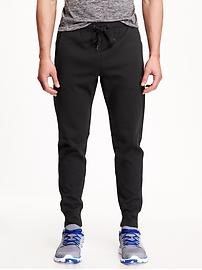
Track pants and shorts are very obvious comfort clothes that you can wear to the gym. There are a few clothes that you ought to avoid wearing to the gym no matter what – like jeans, micro/mini shorts, skirts, dresses, etc. Too loose or too tight shorts should also be avoided while gymming. It is a cool thing to hit the gym after office hours but it is definitely not cool to exercise with your formal shirts and trousers.

Go-Dry Fleece Joggers for Men - Black

3. Footwear
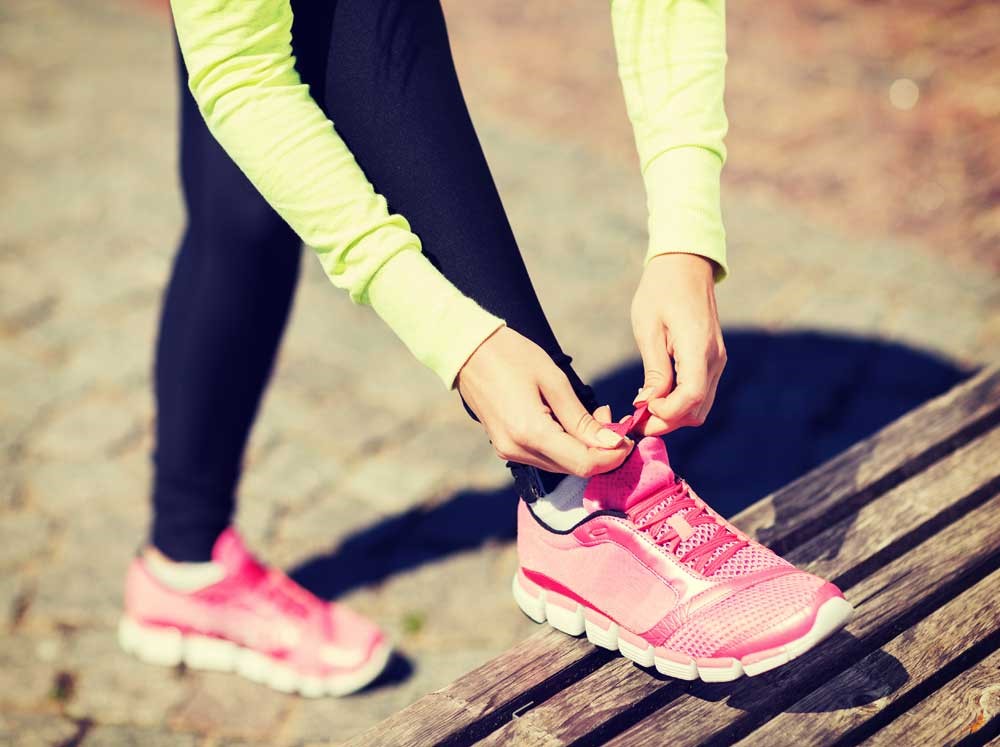
This is the most important factor that can build or ruin your workout experience especially when you have a lot of running or spinning to do. Buy good quality footwear always and never look for cheap ones. The dynamics of each shoe is designed with a lot of consideration by eminent brands and hence it is important to invest in a good shoe. Also, ensure that you buy the right size (if you have doubts, get a professional to help you out at the store). Sandals, flip-flops and formal shoes are a strict NO-NO.  Some people prefer to go barefoot but it is better to research for yourself and see if your body likes it that way.

best-workout-shoes

4. Head Gear
Your head clearly doesn’t need any protection unless you’re banging your head while working out. So stay away from caps, goggles and any such unnecessary items. If you’re wearing headphones ensure that your volume is not very high such that you’re also able to hear things that are happening in the background. Girls with short hair may use head bands to keep it away from the face.

x354-q80

5. Towel

Carry a soft, clean towel that is capable of good absorption everytime you hit the gym. Some gyms provide towels but it is always better to carry your own. Never share towels with your gym-mates and never ever re-use towels without putting it for a wash.

These are pretty much all that you need. Some may want to wear hand gloves but it isn’t always necessary unless you’re doing a strenuous workout that can directly hurt your hand. Anything beyond this is certainly not sitting in the column of benefits.

download (40)

References:
http://www.business-standard.c om/article/news-ians/dress-rig ht-before-hitting-the-gym-1160 92000498_1.html

http://www.womenshealthmag.com /fitness/what-not-to-wear-to- the-gym

« Older Entries Recent Entries »