Author Archives: administrator

World Immunisation Week: An Endeavour to ‘Close the immunisation gaps’
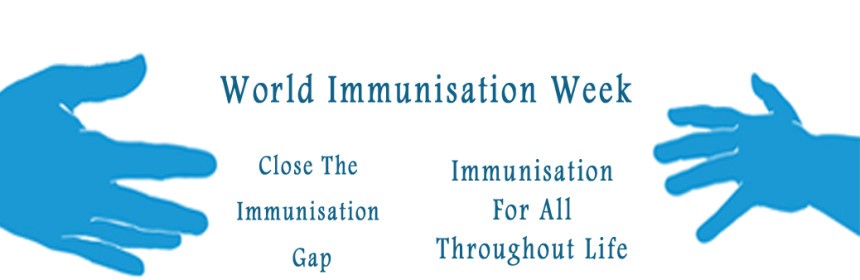
Immunisation is one of the world’s most successful and cost-effective healthcare investments that has been instrumental in averting close to 2 – 3 million deaths each year. However, an additional 1.5 million deaths could be avoided if global vaccination coverage improves. Following this ambition, on the occasion of World Immunisation Week, WHO, reaffirms its commitment to ‘Close the immunisation gap’ so that no one misses out on vital immunisation. Last week of April primarily dedicated for World Immunisation week in the medical calendar, aims to encourage vaccination among the community as a whole from new born children to adults to protect them against major epidemic diseases.

What is immunisation? 

Immunisation is a process where the person is provided essential vaccines to make him/her resistant to certain deadly and infectious diseases for which there are either no or limited medical treatments. Such powerful vaccines help stimulate the body’s immune system thereby mitigating the vulnerability to life-threatening diseases.  For instance, if there is a sudden outbreak of an epidemic, with immunisation, the chances of people suffering are either zero or very minimal.

Importance of Immunisation

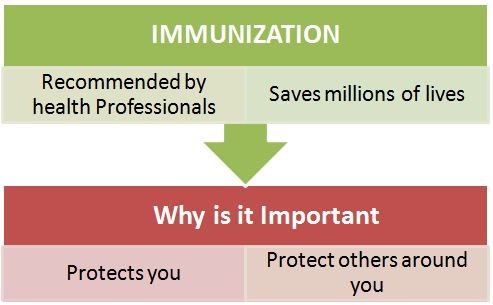
A vast majority of health professionals and experts in the world recommend immunisation. Immunisation helps save millions of lives. It is important particularly for two reasons – to protect you and those around you. Vaccination is the only way to prevent infectious diseases. In certain cases, some people are susceptible to having an impaired immune system, a condition that critically weakens the body’s immunity and doesn’t respond to any vaccination. And for such people, protection is only when others get vaccinated so that the diseases are less prevalent.
soh

Although, some diseases, such as polio, rarely occur, all the vital childhood immunizations and booster vaccines are still necessary. Although certain diseases have been eradicated from our country, it still exists in other parts of the world. In such a scenario, there is a major likelihood for strange diseases to permeate the country infecting people at large through travellers who are unknowingly affected. Hence, with immunisation, the body’s immune system can fight a disease better and faster.

800

While immunisation is important, improved sanitation, hygiene, and other living conditions also contribute to reducing exposure to critical and fatal diseases. A successful vaccination programme and a healthy environment depend on the co-operation of every individual. Thus, immunisation is a proven healthcare tool and is each one’s prerogative.

Sources:

http://www.who.int/campaigns/immunization-week/2016/en/

http://www.who.int/campaigns/immunization-week/2016/event/en/

http://www.who.int/topics/immunization/en/

http://www.webmd.com/children/vaccines/tc/importance-of-immunizations-topic-overview

Travel & Stress

In 2006, I was in a conference about Autism, and the role of music in treating autism was being debated fiercely. Some people shared studies where music played a role in treating autism and the other half presented studies where they could not find any link between music and autism. The chairperson, exasperated, called an end to the debate with the following words, “Music helps. Autism or not! So don’t worry about the role of music. It is simply good.”

home-bg-journal

Travel is no different. While we look for ‘benefits’ of traveling, there are so many that it cannot be put in words. In fact, there are many that we don’t know yet; rather science doesn’t know yet. What science knows though is good enough. For example, people who travel tend to step out a lot more and get fresh air. Fresh air has its own set of goodness and health benefits.

pslovecharli . com


PC:pslovecharli.com

The beauty of travel is that all forms of travel seem to play a role in health. Solo travelers are those who feel the need to get away and for them it is very essential to reduce their stress. Family trips? Oh yeah.Those who get away with family end up spending more quality time with them and it helps build a bond that then reduces stress. Those who don’t spend time with family during vacation also seem to have their benefits. Ultimately, studies have shown that any form of traveling reduces stress. The quantum may vary though.

daily . oktagon . co . id


PC: daily.oktagon.co.id

How do we optimize travel? Couples with kids who take an annual break without the kids fare a lot better and are equipped to handle day to day stress. Studies have shown that an average of 10 vacation days is required for Indians and about 14 days for the western population. The difference maybe because Indians are poor vacationers, even a relatively smaller number of vacation days seems to make a difference.

bagan-1137015_960_720

One of the most common questions I get asked is, “Doc, when the remaining 355 days are stressful, how can 10 days of vacation make a difference”. Well, it can’t make a difference to the 355 days you were stressed out, but it makes a big difference to those 10 days you decide to take off. And these ten days act like a circuit breaker, as it sort of breaks the stress build up. So essentially at any given point of time, you won’t have a decade worth of stress built up, just one year!

Actually forget all of it. Travel is super fun and super awesome. Don’t worry about what it does to your body, mind and soul. Once you experience it, it is addictive! A good addiction.

Our collaborator, is preventive care and wellness physician, Dr. Wasim Mohideen. A medical professional with an MBA and Post Graduate training in Allopathy as well as Alternative medicine, he strives to bridge the gap between modern medicine, traditional treatments and healthcare management.

Feature Image Courtesy: tumblr.com

Nutrition Matters for New Mothers

Are you a new Mommy? Does your baby take most of your time & energy giving you sleepless nights? Welcome to the world of parenting! While motherhood is a wonderful experience, it could sometimes leave you feeling stressed out and harried as a result of energy loss, discomfort and hormonal imbalances. Therefore, it goes without saying -fuelling your body with the right nutrition is paramount!

You may think that a post-delivery diet could get complicated & boring; well, in reality, it’s just a smart mix of traditional remedies and a bit of science.

mamacare 1

Here’s how you can work out a diet regime to get the best nutrition from a diverse food groups:

1. Consider having wholemeal:
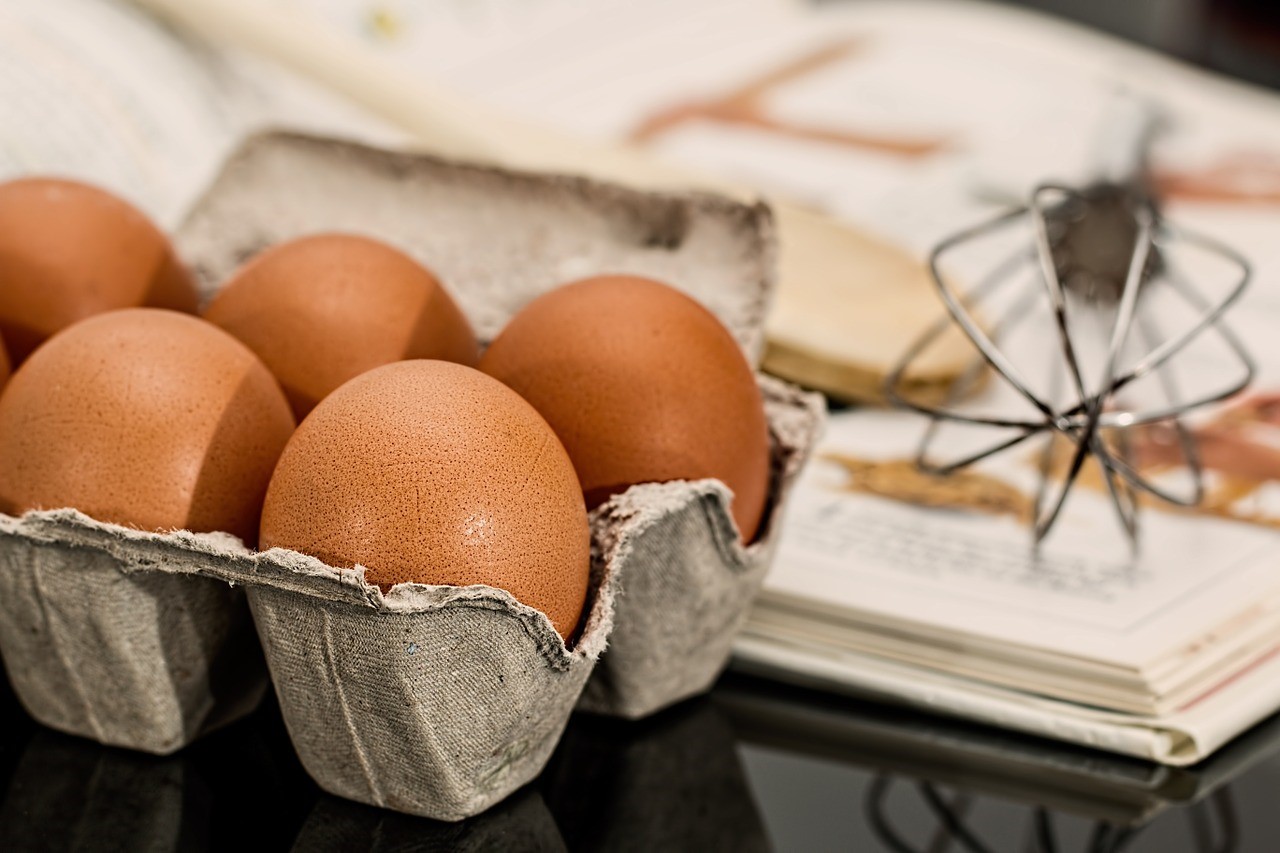
At least for the initial few months while you are nursing the baby, you will require that extra energy. Hence, it’s important that you plan your calorie intake from small meals that are good sources of protein, such as eggs, nuts, daals and legumes, and are also easily digestible.

However, remember to avoid oily and spicy foods. Some of the other wholemeal options include – vegetable poha, khichdi, upma, idlis etc.

egg-944495_1280

2. Balance your Iron levels:
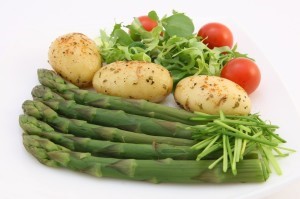
Increase the consumption of green leafy vegetables like spinach, beans and broccoli that are rich sources of Iron, Vitamins (A & C) and heart-healthy antioxidants while also being low in calories.

appetite-1238633_1280

3. Up your intake of dairy products:
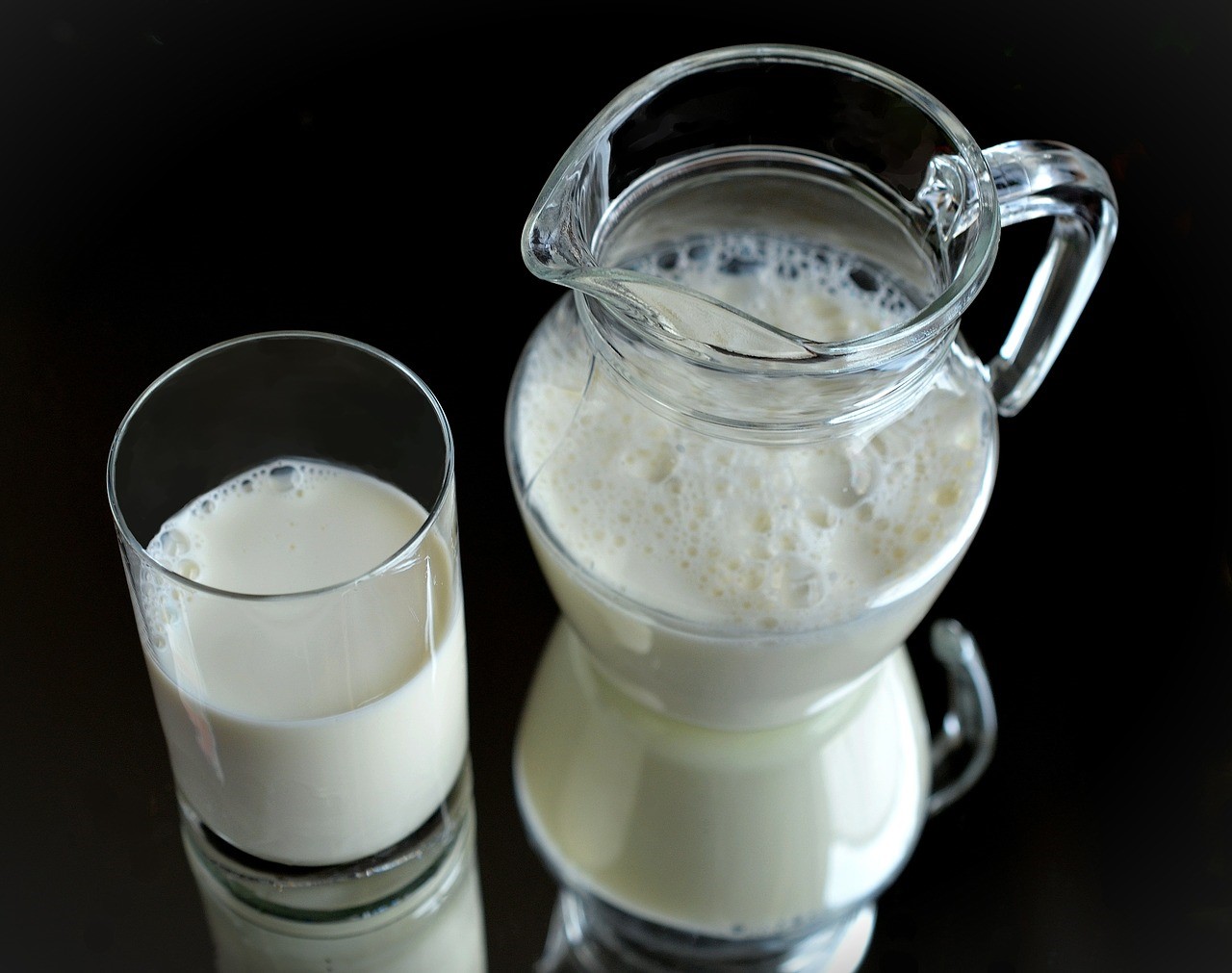
Adequate consumption of milk and other dairy products such as Cheese, Yoghurt are highly recommended for lactating mothers as they are great sources of Protein, Calcium and Vitamins (B & D) – essential for the growing baby.

terrace-995803_1280

4. Keep your fluid intake high:
As you are constantly breast-feeding, there are chances that you are prone to dehydration. It’s essential to stay well hydrated to make sure your milk production levels are high. Drink plenty of water; include fresh fruit juices, coconut water, milk etc.

milk-518067_1280

5. Super-foods:
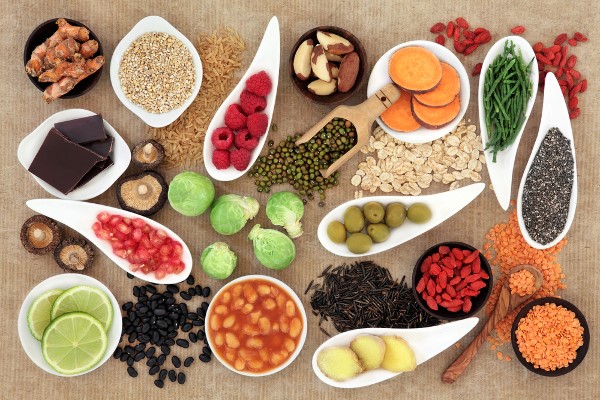
It’s a good idea to make super-foods a part of your daily diet. Superfoods are mostly plant-based but also include fish; nutritionally dense blueberries, salmon, kale and acai are some of the examples. Also whole-grain carbs like brown rice will ensure that your energy levels stay high.

Superfoods

In a Nutshell:

Food rich in Protein – All pulses, quinoa, peas, nuts, cumin seeds, soybeans, eggs, wheat germ, tofu.

Food rich in calcium – Beans, Leafy green vegetables, ragi, fenugreek, sesame seeds, milk, yogurt, cheese.

Food rich in iron – Dried Beans, spinach, tofu, dates, almonds, lentils, dried apricots, pomegranates, beetroot, brussel sprouts, oats, blackstrap molasses.

Food Rich in Vitamin C – All citrus fruits, papaya, strawberries, bell peppers, broccoli, tomatoes, grapefruit, spinach, watermelons, cabbage, guava.

Here’s a quick recipe that comes quite handy, yet, healthy and tasty:
Vegetable Brown Rice
Brown Rice helps in the stimulation of Prolactin, a hormone involved in lactation. It has enormous antioxidant properties, higher fibre content and nutrients that boost the immune system compared to white rice.

The Recipe:

1. Take vegetables of your choice (Carrots, Beans, Peas, Onions, Tomatoes, Paneer and Potato)
2. Stir-fry all the vegetables of your choice. You can also use mild spices like cumin, bayleaf, cloves and cardamom
3. Add 1 cup of cooked brown rice to the vegetables and mix well
4. Garnish it with finely chopped coriander or mint leaves
5. Have it with plain curd or vegetable raita

References:
http://www.padhuskitchen.com/2015/04/indian-recipes-for-lactating-mothers.html
http://timesofindia.indiatimes.com/life-style/health-fitness/diet/Diet-plan-for-new-mothers/articleshow/11484947.cms
http://timesofindia.indiatimes.com/life-style/health-fitness/diet/Super-foods-every-new-mom-should-eat/articleshow/33816654.cms
http://www.desidieter.com/article/diet-care-fore-a-new-mother-post-delivery.html

Picture Courtesy:

bullseye-digital.com/

ecowatch.com

buckelew.org

Kids Health during Summer

During summer, children feel great as they are away from all the schoolwork and it is the perfect opportunity to spend time outdoors. Parents tend to worry about their kids falling sick due to the heat, but it is important to prepare them for the heat at home while letting them play outdoors during the evening hours.

Here are some tips that you can follow in order to keep your kid healthy.

Summer-Drinks

Hydration

It is important to keep children well hydrated. Do not wait until a child says he is thirsty. Make sure you provide plenty of fluids before your child goes outside, while out in the heat and afterwards. Playing in the hot sun depletes body fluids, so keep them indoors during the peak hours (10am- 5pm).

What to drink

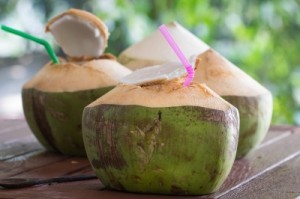
Water is always the first preference to ensure your kid is hydrated! You can also give buttermilk, tender coconut water and lemon juice with salt (with no ice). These drinks help to add some electrolytes if they have been playing.

Sun-Protection-Products_2

Sun Protection

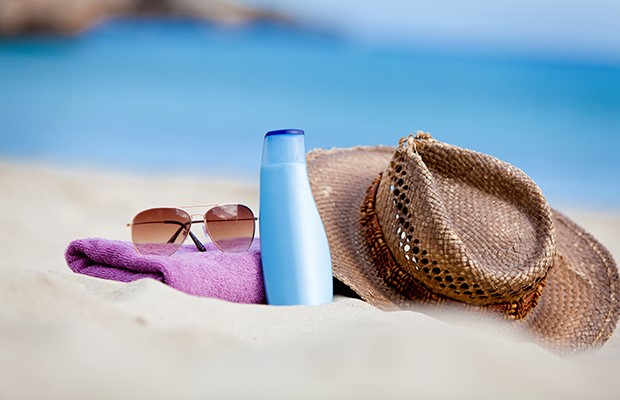
Heat-related illness like sunstroke happens when the body’s temperature control system is overloaded. Infants and children are at a greater risk. Ensure they wear protective clothing, a wide brimmed hat and maybe even sunglasses (with 99-100% UV protection). Sunscreen is a must. Look for products with UVA and UVB protection and an SPF of at least 15. Make sure to apply the sunscreen liberally, 30 minutes before they go out in the sun.

stock-photo-5258918-hot-water-cup (1)

Health

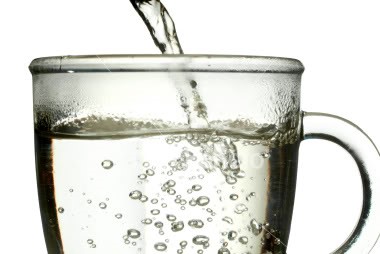
Diarrhea is a common infection during summer. Water is the main source for this infection. Hence it is important to always boil drinking water. Carry your own water while travelling and make sure your kids do not drink water that is not boiled. Don’t drink from a public water source directly. If you notice any symptoms such as vomiting, fever or diarrhea, consult your pediatrician at the earliest.

Having said all these things, it is important to let children play outdoors and have fun. Keep these tips in mind and have a great summer with your kids!

Article by our collaborator, Dr Manigandan Chandrasekaran is a Consultant in Neonatal Medicine at Cloudnine Hospital in Chennai. He is trained in Neonatal Medicine and joined the   Cloud Nine hospitals aiming to deliver high quality care to neonatal infants in India.

Picture Courtesy:

dailyburn.com

vedicastrologyguide.com

blog.mybabycart.com

huffingtonpost.com

Ways to Protect Your Eyesight

Staring at the laptop/computer all day long? Adopt these simple eye-friendly practices

Your job demands that you spend maximum time on the computer or laptop? If so, watch out, this is making you vulnerable to a host of other problems relating to vision discomfort, also called computer vision syndrome. Some of the common symptoms include watery eyes, headaches, increasing sensitivity to light and of course, difficulty focussing. While we can’t do away with the technological imperatives, we can certainly adopt a good eye-friendly behaviour. How do we do it?

Well here’s good news, avoiding eye-strain is actually quite easy, even if you have to stare at your computer screen for more than 8 hours. Just follow these few simple strategies that are not only good for your eyes but for your overall well-being.

EyeStrain

1. Adopt the 20/20/20 principle:

When using computers, we tend to stare at the screen from a fixed distance for long periods of time. Practicing the 20/20/20 rule works wonders and to get it right, every 20 minutes, take 20 seconds to look at an object that is 20 ft or more away from you. The reason? This keeps eye muscles from getting ‘locked up’ after constantly gazing at a computer. This, in a way, can also give your eyes a bit of a work-out.

Computer-Glasses-to-Reduce-Eye-Strain-300x215

2. Blink often

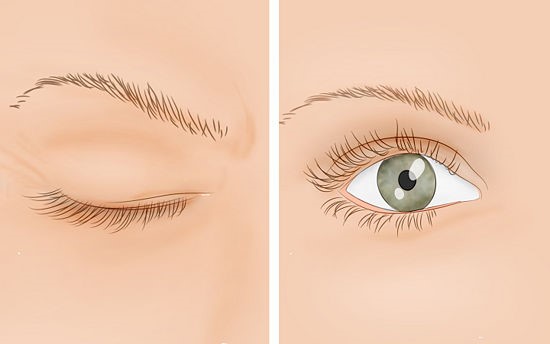
Numerous research & studies have documented that people barely blink, and if they do, it’s just one-third as often as they would normally blink. This triggers dryness on the eye surface, and considering today’s workplaces are air-conditioned, this further aggravates the condition. Blinking is very important when you are working all through the day on your laptop/PC/Tab etc. So remember to blink atleast 10 times slowly once in every 20 minutes. This helps moisten your eyes and prevents dryness and irritation while de-stressing eye muscles.

blink

3. Consider wearing computer glasses:

Computer glasses are prescription glasses that are designed to wear when doing computer work. Modify your eye-glasses to create customised computer glasses. Computer glasses are a good choice if you wear bifocal lenses. You could consider lenses with anti reflective (AR) coating. Glasses are preferred over contact lenses because contact lenses can sometimes cause friction and discomfort if the eye is not well lubricated.

download

4. Modify your work place.
Position the computer screen 20-24 inches away from your eyes. The centre of your screen should be about 10 to 15 degrees below your eyes for the correct positioning of your head & neck.

EyeStrain375

5. Watch out for the display settings in your monitor:
Adjust the brightness of the computer screen in a way to match the brightness of the surrounding room. You can also install an anti-glare screen on the monitor to cut down on the distracting reflections on your monitor. Sometimes, even improper illumination can also contribute to this scenario of eye-strain. Avoid bright overhead lights shining directly on the monitor screen. It is advisable to opt for a flat-panel liquid crystal display (LCD) monitors which have an anti-reflective surface.

Other such eye-friendly practices include, taking micro-breaks from computer use once in every hour to drink plenty of water to keep your eyes and skin well-hydrated. Also consider gently splashing cool water into your eyes once or twice in a day in case you sense eye dryness.

Also most importantly, remember to go for an annual eye check-up even if your vision seems normal. Doing so will help you safe guard your vision from future discomfort while detecting and addressing any issue at its early stage.

No one can force you to take health breaks. Nevertheless, you can do it for yourself. Your work will still get done. Infact you might even notice a spike in your productivity.

References:

www.thehindu.com

www.rebuildyourvision.com/

www.rebuildyourvision.com/


Picture Courtesy:

atozhomeremedies.com/

vision-care.co.uk

blog.phillips-safety.com/

eyestrain.com.au

smartbuyglasses.co.uk

webeca.com

eye-emporium.com

mywisegranny.com

Beat the heat and be fit this summer

The usual morning routine of walking or jogging won’t be the same when summer sets in. The humidity and scorching heat in the mornings can affect your outdoor workout. But you needn’t worry about your fitness regime going for a complete toss.

Here are five exercises that you can try at home to keep your fitness schedule intact:

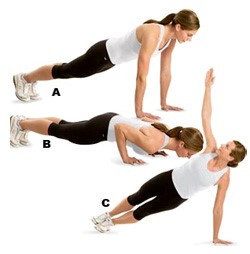
1- T-stabilization pushups
Move into a plank position with your hands stacked beneath the shoulders, hips in line with the shoulders and feet, and core engaged. Lower into a pushup. As you return to the original position, shift your weight to the outside of your left foot, stack the right foot on top of the left, and reach your right arm high toward the sky. Hold this extended side plank for a moment before returning to the original position. Complete another pushup and find a plank on your right side. Continue repeating at your own pace for one minute.

t-push-up-copy
2- Bicycling on the floor
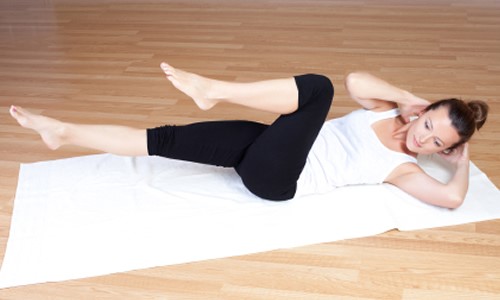
Lie flat on your back on a yoga mat with your legs bent and feet flat on the mat. Flare them out to your sides and place your fingers just behind your ears. Contract your abs, move the legs in a pedaling motion, touching the left elbow to the right knee. Focus on keeping the abs contracted during the entire exercise. Do not pull your head toward your legs with your hands, as it may strain your neck.

Bicycles
3- V-ups
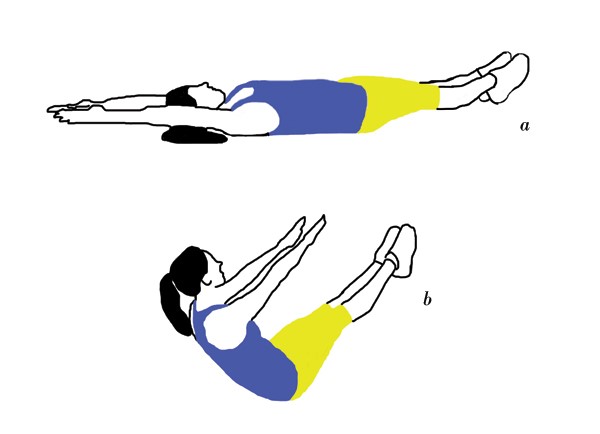
Lie flat on your back with your legs and arms stretched out. Then, as you come up, your hands and legs should meet in the middle to make a ‘V’ shape. Repeat this 10 times.

V-Ups
4- Side Winders
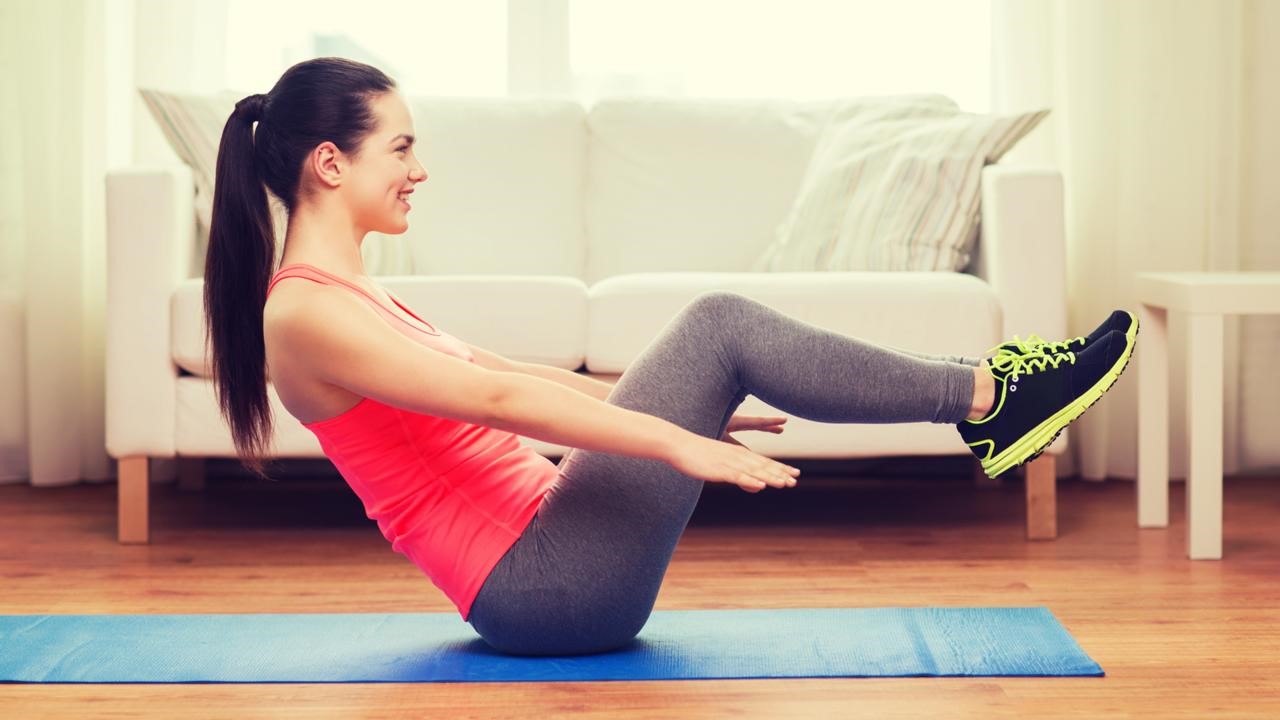
Lie on your back with your legs in a table top position. Then, slightly lift your shoulders off the ground. Move your hips side to side while your upper body stays in a neutral position. Do this 20 times.

HN_BB_Sneak_in_Exercise_12_11_12_v2-img_1280x720

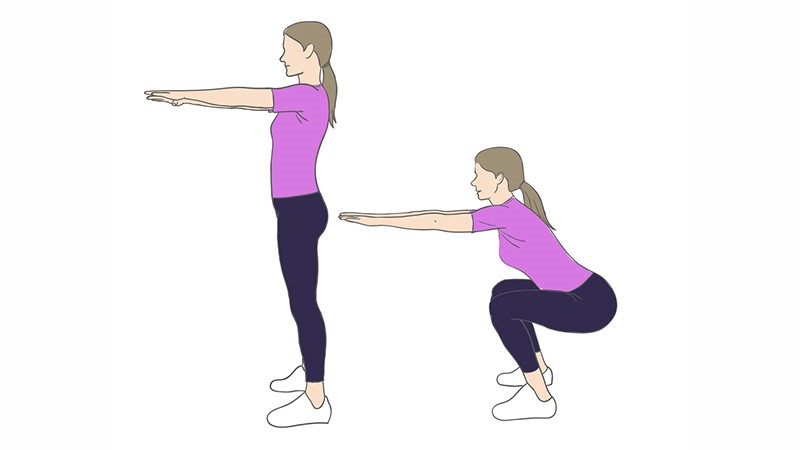
5- Squats
Stand with your feet hip-width apart. Lower yourself gently, like you are going to sit on a chair. Keep your toes behind your knees and push your weight on your heels. Straighten your legs to raise yourself back up. Keep your abs in and don’t lean too far forward as you lower yourself. For extra toning, hold weights in your hands as you squat.
These simple exercises need minimum/no equipment and can be done from the comfort of your home. Try them and tell us if they worked for you!

Squats

Picture Courtesy:

bloomtofit.com

tipsfordieting.com

citystyleandliving.com

businessinsider.com

personaltrainerinbrisbane.com.au

References:
http://timesofindia.indiatimes.com/life-style/health-fitness/fitness/This-summer-personalise-your-workout-to-get-in-shape/articleshow/51586506.cms
http://www.huffingtonpost.com/entry/outdoor-workout-circuit-gifs_n_7520244.html?section=india
http://www.active.com/fitness/articles/5-best-core-exercises-for-summer-ready-abs


World Hemophilia Day 2016

Lighting it up red: World Hemophilia Day 2016

April 17th is observed as World Hemophilia Day. Through its theme ‘Light it up Red’ World Federation of Hemophilia (WFH) aims to encourage the community to come together and create global awareness about this disease and other inherited bleeding disorders. Globally 1 in 1,000 people has a bleeding disorder and are not diagnosed or treated on time.

Let’s take a closer look at what is Hemophilia:
The clotting process is encouraged by certain blood particles (platelets and plasma proteins). Hemophilia occurs when there is a deficiency in one of these clotting factors. It is a genetic disorder that prevents the blood from clotting properly, causing the person to bleed severely from even a slight injury such as a small cut while shaving, which means the patient should to be extremely cautious to avoid any event of blood loss.
This condition of bleeding disorder is rarely seen among women, often congenital that is inherited during development in the womb and affects only male child (happens as a result of the change in genes) with about 1 in every 5,000—10,000 born.

How to detect some of the emergency signs or symptoms of Hemophilia

Signs and symptoms of hemophilia vary, depending on the severity of the condition
• Sudden pain, swelling and warmth in large joints, such as knees, elbows, hips and shoulders, and in the arm and leg muscles
• Unexplained and excessive bleeding from cuts or injuries, or after surgery or dental work
• Bleeding from an injury, in case of a severe form of hemophilia
• Unusual bleeding after vaccinations
• Pain, swelling or tightness in the joints
• Blood in the urine or stool
• Sudden bleeding of nose without a known cause
• Among infants, unexplained irritability
• Painful, prolonged headache
• Repeated vomiting
• Extreme fatigue
• Neck pain
• Double vision

How to treat the condition and take necessary precautions:

• This condition often being a genetic one cannot be cured completely, but can be controlled with timely diagnosis and proper treatment.
• If you are pregnant or planning pregnancy, it’s always advisable to get tested for haemophilia.
• It is imperative to conduct tests to determine hemophilia in a new born baby and also for the doctor to enquire about the family history.
• If your child bruises easily or has heavy bleeding that can’t be stopped after an injury, seek medical care.
• If hemophilia is not controlled, it will cause internal bleeding affecting vital organs and sometimes it leads to permanent disability.

Ways to Ensure Fitness this Summer

Its summer and all you really feel like eating is ice cream. Waking up is hard, working out in this heat is harder, and yet, you’d like to stick to your exercise and fitness goals as much as possible. Right? Well, its possible. Here’s how:

107737

1) Cut yourself some slack: Don’t expect great performances in the gym or perfect nutrition a 100% of the time. The heat will make it hard for you to put in a good workout every session, and that’s ok. If you got yourself to the gym at least 3 times a week and your nutrition was good 80% of the time, consider it done and dusted. You’ll see results anyway just because your body is working way harder than you think it is.


2) Stay hydrated: There’s nothing cool or new age about water, but it is a game changer. Dehydration can lead to poor energy levels, decreased performance in the gym, constipation and other more serious illnesses.

Drink at least 200 ml of water for 20 minutes spent working out, even if you’re not thirsty. Carry fruit juice with a ½ tsp of salt to the gym and sip on it during your workouts.

Everyday, aim to drink no less than a litre of water for every 25 kgs of bodyweight

3) Plan your cheat meals: Allow yourself 1-2 meals a week where you indulge in something you love.

4) Drink coconut water: Its natures own electrolyte-packed rehydration agent. 1-2 a day is a great addition to your summer.

5) Freeze your favourite fruit juices by pouring them into ice trays. When you’re low on energy and craving an ice cream, these make for a much healthier, refreshing snack.

6) Catch a tan: Indian skin contains more melanin, which inhibits the absorption of Vitamin D. Vitamin D is essential for a host of important functions, including but not limited to, metabolism and muscle function. Avoiding the sun for vanity will only make you weaker, so go out and get a nice healthy tan (Always wear sunscreen to protect yourself from the UV rays though). Your body will thank you for it.

Article by our collaborator, Jyotsna John, is a fitness enthusiast who turned her passion for fitness into a full time career. She has travelled to UK and the US and studied a lot about fitness while she was there. She has a list of certifications, and is currently a trainer at The Unit, in Chennai.

Picture Courtesy:

fitday.com

foreverfitness24.com

Foods for Summer!

With temperatures soaring across the country, our energy levels get severely affected. Our body feels dehydrated and very often our appetite also decreases. We tend to constantly look for ways to cool our body down. Many fruits and vegetables available during the summer have health benefits that you may not even know!

Here are 7 foods that you can incorporate in your diet to keep your body cool:

1. Watermelon: The best fruit to have during summer. Watermelon has antioxidants that help in cooling you down. So buy a watermelon, cool it at home, cut and enjoy. You can even make some nice and cool salads using watermelon.
2. Corn: Sweet corn has two antioxidants—Lutein and Zeaxanthin. They help to form a pigment that filters out some of the sun’s damaging rays. Eat it boiled, or toss it up as a salad, corn is a safe bet and easily available.
3. Cucumber: Cucumber is rich in fiber that helps keep constipation away. It also helps you keep cool during the hot days. You can just eat it as is. You can even try some cucumber juice, or mix it in curd and consume as a raita.
4. Mint: An easily available and inexpensive herb, mint can be consumed with curd or as a chutney. It is refreshing and can also be added to your drinks such lemonades to give it a minty zing.
5. Lime water: The refreshing lime water or nimboo pani helps maintain hydration levels in your body. Have it sweet, salted or add a dash of black salt and cumin powder to it.
6. Green veggies: Green vegetables should be an integral part of your diet throughout the year. However, in summer, it should be consumed as often as you can as they have a high water content. Do not overcook them as they will lose their water content.
7. Coconut Water: Coconut water is full of simple sugars, electrolytes and essential minerals which help keep the body well hydrated. A healthier alternative to sugary drinks.

Recipe:

Mango Lemonade
Serves: 2
Ingredients:
Mango, peeled and roughly chopped: 1
Lime: 3
Mint sugar syrup: 1/2 cup
Club soda: 1/2 cup
Ice cubes: Lots of it
Sprigs of fresh mint: For garnish
Mango wedges: For garnish

For mint sugar syrup:
Water: 1 cup
Sugar: 3/4 cup
Fresh mint leaves: 1/2 cup

Method:

1. First you have to make the simple syrup. In a saucepan combine water, sugar and the mint leaves and stir over low heat till the sugar dissolves completely. (Ideally in a simple syrup the ratio of sugar: water should be 1:1). Let it cool. You can drain the mint leaves if you so wish.
2. Now in a blender puree the mango and in another bowl juice the limes. Set aside.
3. Take your serving glasses and fill them with ice cubes one third way up. Now divide the lime juice, mango puree, mint sugar syrup equally in the two glasses. Top them up with club soda. Stir to blend the layers.
4. Garnish with fresh mint sprigs and mango wedges and serve.

References:
http://www.eatingwell.com/
http://timesofindia.indiatimes.com 

http://prithachak.blogspot.in/2015/06/mango-lemonade.html

Hydrotherapy

It’s been a stressful day at work. As you return home, all you want is to relax and forget the cacophonous world around. How about a relaxing hot water bath? – A perfect way to end your tiredness, and rejuvenate your senses. This use of water to treat both stress and relieve pain is known as hydrotherapy.

Hydrotherapy_description_and_benefits_-_Spanity_spa_and_wellness_in_Thailand
What is Hydrotherapy?
Hydrotherapy dates back to the ancient Greeks, where it has been used to treat medical as well as spiritual complaints, such as insomnia, alcoholism, arthritis etc. Hydrotherapy is based on the theory that water has properties that give it the ability to heal. From storing heat and energy, to dissolved minerals and salts, water helps in blood flow and has a soothing and calming effect on the body.
Having said that, hydrotherapy however differs from swimming as it involves special exercises that you do in a warm-water pool. The water temperature varies from 33-36 degrees Celsius, which is warmer than a swimming pool.

100534995

Forms of Hydrotherapy

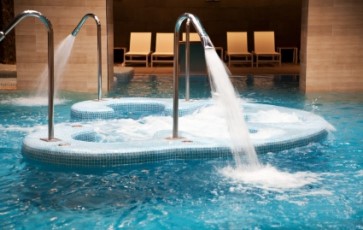
There are two forms of hydrotherapy: External and Internal. External Hydrotherapy is a good way to relieve swollen joints and reduce the stress in the body by letting your body float in a warm pool or tub of water. The basic idea being that the more you do it, the more you benefit.
Internal hydrotherapy is specifically used to treat gut problems such as constipation, bloating, headaches etc.

hot-spa-bath

Types of Hydrotherapy
Hydrotherapy does not really involve any special arrangements. The following are some of the ways in which you can experience hydrotherapy:
1. Home Bath: Fill you bath tub with warm water, bath oils or aromatherapy oils etc. Immerse your body in it and relax. You can even use candles on the side.
2. Sauna: This involves using dry heat to clean out pores and relieve the day’s stress.
3. Turkish bath or Hamman: This involves wet heat and does exactly what sauna does but in a different environment.
4. Sitz bath: In this, you can soak one foot in a tub of hot water and the other in a tub of cold water, and then alternate. This is good for treating haemorrhoids and menstrual problems.
5. Whirlpool bath: This is a form of bubble bath that makes you relax and enjoy.

woman-in-spa

How does it help?
Hydrotherapy can help your body in a number of varying ways.
– Your muscles tend to relax and your joints release the pain due to the warmth of the water. This in turn helps you to exercise.
– As the weight of your body is supported by water, this helps relieve pain and increases your joint movements.
– The water can be also used to provide resistance to your joint movements. If you push your arms and legs against the water, you improve your muscle strength.
Summer has already set in, and the mercury has been on the rise, there cannot be a better way to relax your body than soaking it in a tub of water.

Picture Courtesy:

spanity

frangipanibeautyspa

cleansemn.com

References:
http://www.arthritisresearchuk.org
http://www.safealternativemedicine.co.uk/
http://www.webmd.com/

« Older Entries Recent Entries »