Author Archives: administrator

Realistic & Positive

Being positive is an important factor in life. At the same time being positive in life can be a challenge for many. Not everyone has the natural inclination to stay positive while some do it with a natural ease. For some, even the task of walking into a room full of people might feel challenging. Positivity is a very important factor, but it is also relevant to stay realistic and not blissfully ignorant of the practical consequences of issues around them. Here are some ways to remain positive without toeing the line of reason:

woman-591576_1280
1. Love yourself and accept yourself as you are. Half the time, we battle with our own identities and lose ourselves in our negative perceptions about ourselves. Don’t be oblivious to your flaws – embrace them with the intent to evolve.
2. Indulge in some me time, and give yourself a chance to take a break and unwind by doing things you enjoy most. In a day, make sure that you have at least an hour for yourself. But, never do this at the cost of something significant that you should be doing.
3. Don’t avoid doing something because you feel anxious. When you avoid something, it reinforces your anxiety and doesn’t allow you to escape the pressures of attending to something. By force, you will be obliged to attend to obligations – and avoidance many times sets a precedence of inability.
4. Indulge in meditation and breathing exercises that help you de-clutter your mind and de-stress. Breathing deeply helps you ease out the tensions that run in your mind and eases out the anxieties you feel.

photo-original
5. Surround yourself with people you trust and feel comfortable with. Never allow other people’s negativity to bog you down, as it only augments your anxiety.
6. Allow yourself the luxury of believing in yourself. Self-doubt plagues everyone – it is but natural. But don’t let it overwhelm you.
7. Maintain a journal and ensure that you write out your thoughts and issues on your mind so that you have a route to vent.
8. Don’t hesitate to take professional help when it gets too much to bear. Anxiety can be treated with counselling and cognitive behavioural therapy (CBT). A professional who intervenes to help can assist a person’s thinking and help them find direction and a way out of anxiety.

approval-15914_1280

References:

http://timesofindia.indiatimes.com/life-style/health-fitness/de-stress/10-tricks-to-become-a-loving-positive-person/articleshow/15015785.cms
http://www.actionforhappiness.org/take-action/be-positive-but-stay-realistic
https://www.washingtonpost.com/news/on-leadership/wp/2014/04/22/how-to-be-positive-and-realistic-at-the-same-time/

Picture Courtesy:

kickstarter.com

Pixabay

World Down Syndrome Day, 2016

Down syndrome is a condition that occurs naturally as a result of a chromosomal arrangement that has always been a part of the human condition. It exists in all regions across the globe and results in many different kinds of effects on learning styles, physical characteristics or health. The growth and development of an individual with Down Syndrome should be nurtured with appropriate and adequate access to health care, to early intervention programmes and to inclusive education, as well as appropriate research. These are vital for the progress of the individual.

The occurrence of Down Syndrome relates to the chromosomes in the body. Each cell has 23 pairs of chromosomes, with one half inherited from one parent, and the other half, from the other parent. When a person has an extra copy of chromosome 21, which is full or partial, Down Syndrome occurs. Because there is an extra copy, the course of development is altered and the characteristics of Down Syndrome are seen to occur.

When a person has Down Syndrome, physically, they have low muscle tone, small stature, eyes that are upward slanting and one deep crease across the centre of the palm. While these may be considered the generic characteristics, there are unique features to every individual. There are three kinds of Down Syndrome:  trisomy , translocation and mosaicism. Mosaicism is the least common type of Down Syndrome.

The causes for Down Syndrome remain unknown, but they say that maternal age remains one of the core factors that increases one’s chances of having a baby with Down Syndrome. They are genetic conditions in that there is a predisposition in favour of its occurrence if it has happened in the family earlier.

According to Down Syndrome International, “Down syndrome affects approximately 1 in 800 live births, although there is considerable variation worldwide. Down syndrome usually causes varying degrees of intellectual and physical disability and associated medical issues.”

Reference:

https://www.facebook.com/

http://www.un.org/en/events/downsyndromeday/

https://en.wikipedia.org

World Oral Health Day

The World Oral Health Day is celebrated annually on March 20, and is an international day to celebrate the benefits of a healthy mouth, and to promote global awareness on the key issues around oral health and the importance of oral hygiene to looking after everyone old and young. The World Oral Health Day is intended to be a day for people to have fun, in that it should be a day full of activities that make us laugh, sing and smile!

Over 90% of the world’s population will suffer from oral diseases in their lifetime. Many of these diseases can be avoided with an increased governmental, health association and society support and funding for prevention, detection and treatment programmes. The World Oral Health Day offers a platform to the dental and oral health community to take action and to help reduce the overall disease burden.

Smiling

In 2016, the World Oral Health Day aims to get everyone to recognize the impact that their oral health has on overall physical health and well-being to help inspire a sense of change. The overall campaign platform for 2016 revolves around the theme of “healthy mouth, healthy body”. This powerful and engaging messaging is rooted in a global truth which informs the concept of oral health’s wider importance. With the idea of seeking to galvanize the audience to drive a movement for change, the flexible platform offers the opportunity to discuss many topics and audiences under one core message.

It is easy for anyone to participate in World Oral Health Day of 2016: whether you belong to a health association, a specialist group, a member organization and or as a partner, governmental groups, students, teachers, the public generally, and to large and so on. This year, the aim is to get as many people as possible to get talking and to promote oral health in their communities, and reach as large an audience as possible.

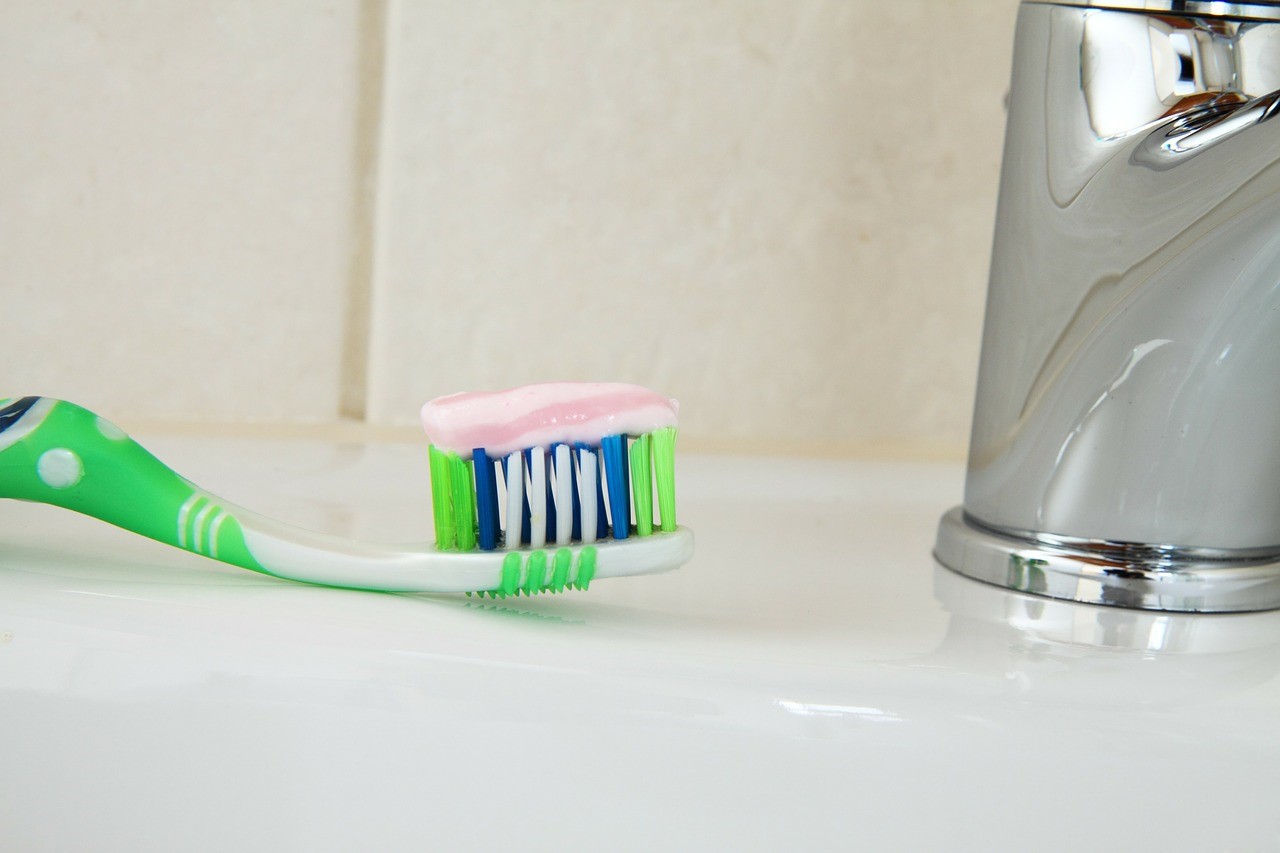
Brush

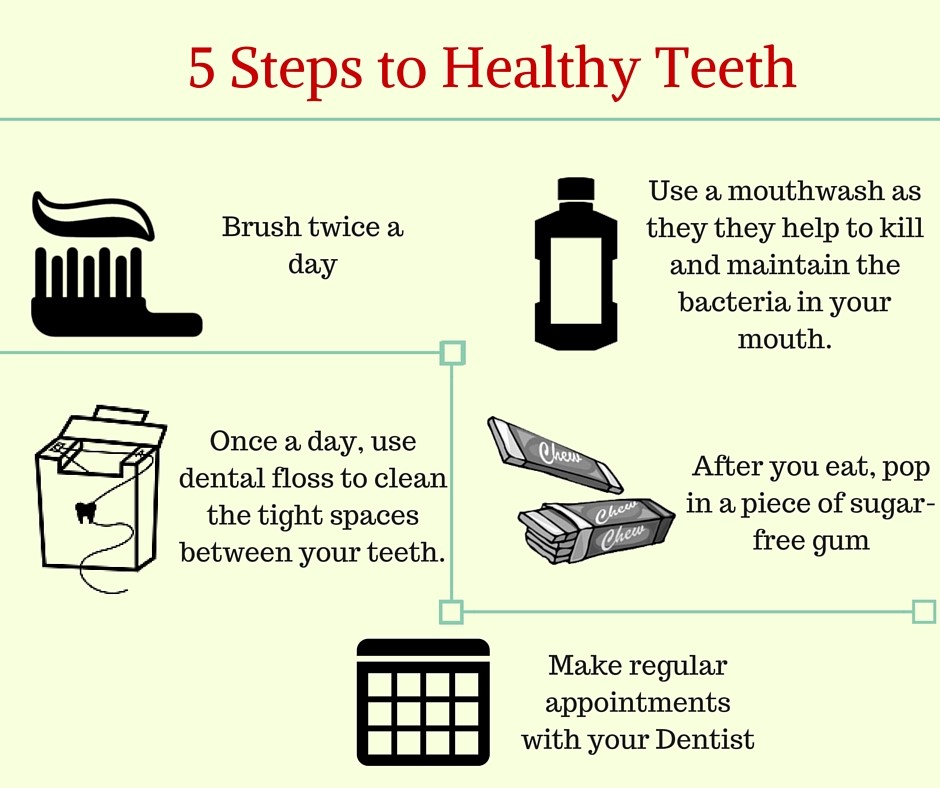
You can also practice these five simple steps to Healthy Teeth!

Oral Health Day - Final

Reference:
http://www.worldoralhealthday.com

https://www.arrowsmiledental.com

Picture Courtesy : Pixabay
The Real Side of Coffee

When a goatherd left his goats to graze and brought them home one night, he discovered that some of his goats simply didn’t sleep. He found this pattern repeating itself. One day, when he made it a point to follow his goats, he found that they had fed on the berries of a certain plant. He took the berries home and brewed a decoction of the strong liquid, and drank it up. Thus, was born Coffee. Today, most of us can’t seem to go a morning without the beverage, much less function around afternoon.

coffee-beans-618858_1280On the good side, Coffee has some interesting benefits that can help keep your health in good stead:
1. It can help reduce your risk of Type 2 diabetes by around 30%, particularly if they drank about 3-4 cups of coffee a day.
2. Coffee can keep cancer at bay, in that it has compounds that can activate proteins which have the capacity to repair DNA in the cells, and prevent them from turning cancerous.
3. Coffee can also help prevent strokes when taken in moderate amounts, given that its protein activation compounds can help keep your nerves healthy.
4. Your liver can benefit tremendously from coffee, by reducing the risk of liver cirrhosis and other liver diseases.
5. Coffee is also good for your brain. There are a range of studies that have shown that coffee protects the brain against Parkinson’s disease and Alzheimer’s disease, and improves the brain’s cognitive function as well. Coffee is also good for the memory.
6. Coffee is filled with antioxidants that keep diseases at bay, as each bean has over 1000 phytochemicals (antioxidants) which fight harmful free radicals in the body and prevent diseases such as heart disease, skin ageing, cancer, gall stones and even cognitive decline.

restaurant-beans-coffee-cup
Even as these good qualities may seem like Coffee should be a part of your diet for good measure, there are some issues that account for the downside as well.
1. Coffee can actually give you a headache because it dehydrates your body, and leave you with the kind of a headache that a hangover can leave you with.
2.Coffee can damage your skin and leave you with wrinkles. The caffeine content can leave your skin tough, wrinkled and weakened, and can make you look sallow. It can also stain your teeth.
3. Drinking too much coffee can cause your body to get rid of the extent of calcium through urine, and can culminate in osteoporosis through the reduction of bone density. It can also trigger arthritis and leave your body much weaker than a non-coffee drinker’s body.
4. Coffee can keep you up at night and leave you as a bit of an insomniac, especially because the consumption of caffeine can affect your circadian rhythm, i.e., your body clock. Your body needs six hours to flush the caffeine out of your system – and over-consumption can throw your system out of balance.
5. Unfiltered coffee could be bad for your cholesterol because it contains cafestol and kahweol, which can increase your bad cholesterol. It can also cause acidity, being a highly acidic beverage that can irritate the stomach lining.

coffee-722270_960_720

References:

http://www.indiatimes.com

http://authoritynutrition.com

http://www.medicalnewstoday.com

http://www.mensfitness.com

http://www.webmd.com

http://authoritynutrition.com

Exercising through Knee Pain

Knee pain(Not Injury) is one of the most common reasons for people giving up exercise altogether. It can be caused by overuse, trauma and in todays’ world, by postural imbalances created by working at a desk job.

I’ve written about how the human body was designed to move, and how, in the absence of movement, it deteriorates. And yet, most of us have jobs that require us to sit still for long hours, often crouched in front of a computer.

Those of us who exercise have witnessed first hand, the human body’s ability to compensate/adapt to accommodate the demands we place on it. The human body is a master compensator, it will find the easiest, most efficient way to survive the conditions we hand it.

what-causes-knee-pain

So how does it compensate to help us sit for long hours without pain?

-> It shortens the distance between the hip and the front of your leg(in lay mans terms) so that the seated position where the knee makes right angles with the leg is easier to maintain, causing tight hip flexors, hamstrings, quadriceps and calves.

-> Your chest will tighten in an effort to help you sit hunching forward, and your neck will follow.

-> Your upper back, as a result of being constantly stretched forward will weaken and eventually not be able to do its job properly.

What does all this translate to? The entire anterior chain(front) of your body tightening/tilting forward(little by little) so that the crouching position needed to sit long hours is easy to maintain.

There are several problems that arise from these imbalances, but we will address only the knee pain that(usually) comes with these imbalances.

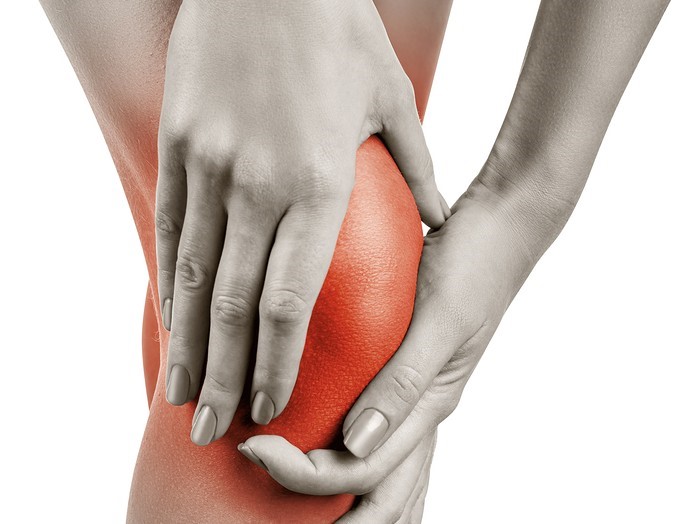
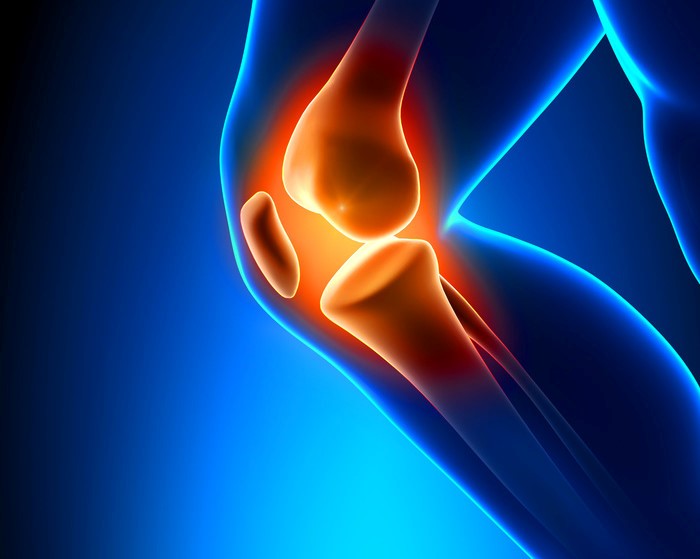
Pain in the knee can occur either, just above the kneecap, just below or to the side.

Above the kneecap: Usually brought on by quadriceps so tight, your knee caps are being pulled upwards. Can also be brought on by poor squatting form(allowing knees to go past your toes).

Below the kneecap: the source of pain is the patellar tendon, which connects the knee cap to the top of the lower leg.

bigstock-Acute-Pain-In-Knee-78549014-e1441293878578

Under the knee cap – pain from excessive compression of the knee cap and from arthritic changes underneath the knee cap. Long distance runners will be familiar with this one.

Outside your knee cap : Often from a tight iliotibial (IT) band. It also can be due to ligament strain.

So what can you do to prevent these pains/if you already have them, to ease it up a little bit?

Giving up exercise is not the answer. Foam Rolling, stretching the tight muscles out and strengthening the opposing, weak muscles are what will help you live pain free.

Postural correction also helps. Learn to fire the glutes(not the quadriceps) when you walk/climb the stairs. Do not walk on your toes. Perform corrective exercises to help you restore function to your largest muscles. Learn to squat correctly. Switch exercises out the second you feel pain. And STRETCH.

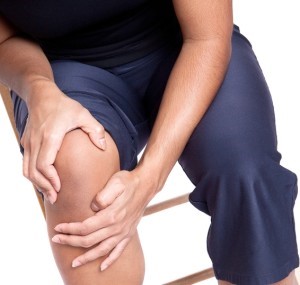
Painful Knee Close-up

Most importantly, remember, im not a doctor. If the pain persists, get over to one. Sometimes a simple regimen of stretching and myofascial release is all you need to make a world of difference. Other times you may need more intervention. Don’t use this blog in the place of good old common sense.

The Author, Jyotsna John, is a fitness enthusiast who turned her passion for fitness into a full time career. She has travelled to UK and the US and studied a lot about fitness while she was there. She has a list of certifications, and is currently a trainer at The Unit, in Chennai.

Picture Courtesy:

kneestrength.com

http://chronicpainblog.com/

hillpromotionpt.com

It’s time to get a Health Check Up!

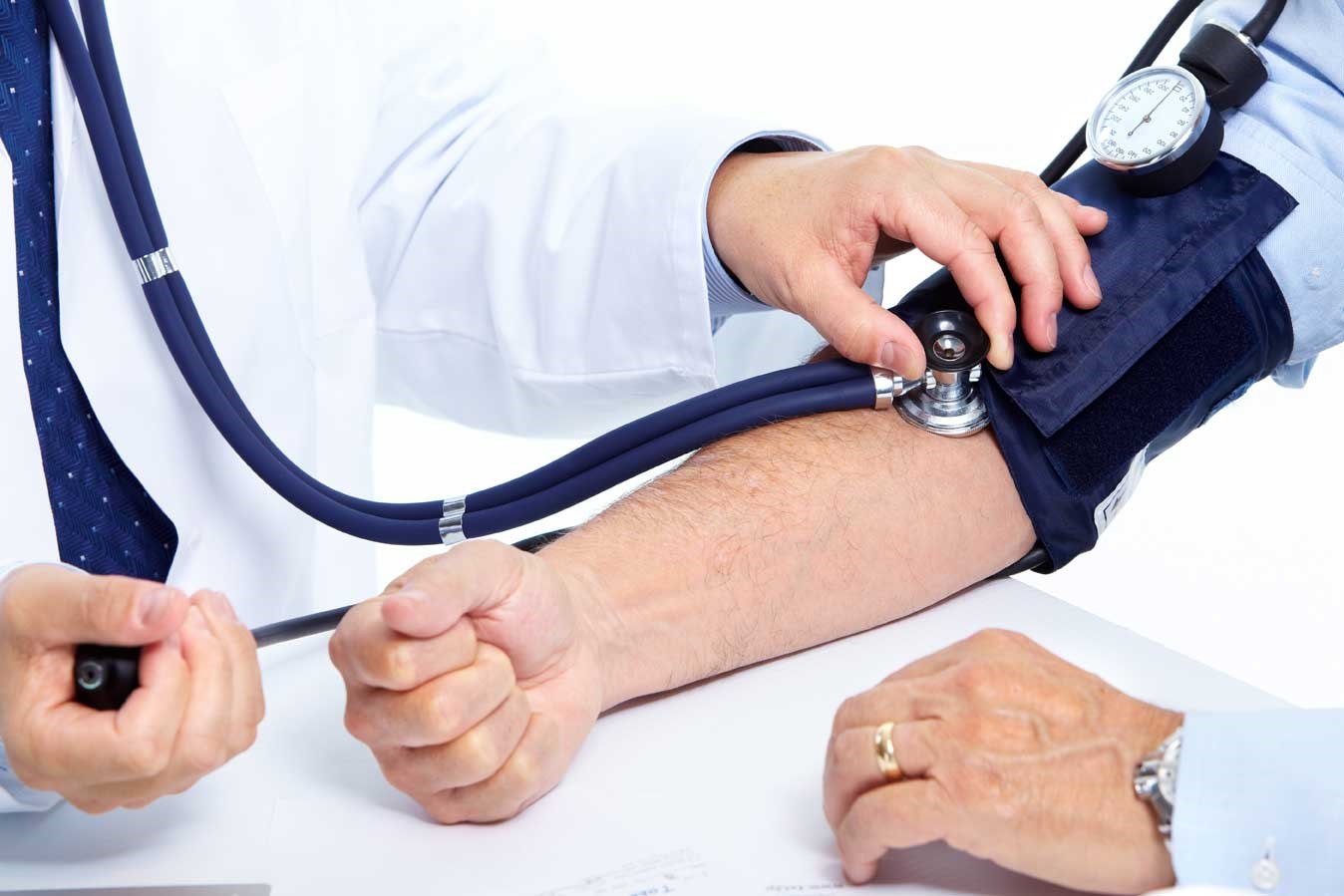
We are not a society of people who likes to keep things in a state of disrepair. We tend to rely a lot on our efforts to set things in order, and to maintain things in perfect working condition. But why don’t we extend this philosophy to our bodies? Regular health checkups are, instead of being a policy of an individual, being seen as a matter of dread.

Health-Checkup

Here are a few reasons why a regular health check up is necessary:
1. It is important to keep your body in good shape – but how will you know how your body is performing if you don’t study it from time to time? You need to have some measure of attention to what your body is responding to, in order to take appropriate steps to strengthen yourself.
2. You need to be up to date on all your vaccines and tests. With path breaking developments in science and technology on a regular basis, it is necessary to keep your heart-665186_640health in order.
3. Prevention is always better than cure! It is vital to maintain good health by preventing illness. Regular health check-ups can help keep ill-health at bay.

4. Even when one may possibly have a health issue, going for regular health check-ups can help catch the illness earlier on. At most instances, a disease in an earlier stage of its development can be nipped in the bud, and can be cured.
5. Regular health checkups are vital for documentation and record keeping. It is particularly important when you have insurance plans and policies, and want to augment your financial records with complete details of your health, to make sure that you update your health reports periodically.
6. Regular health checkups are also important to help you create a chronicle of your health history. For your own wellbeing and understanding of your health graphs, and for the sake of medical assistance at any point, building a concrete set of records on your health will be useful.

Picture Courtesy:

blog.ithinksolutionsonline.com/

Pixabay

img.grouponcdn.com

References:
http://www.hellawella.com

http://www.indiatimes.com

http://www.medifee.com
https://www.manipalhospitals.com

Spa Treatments

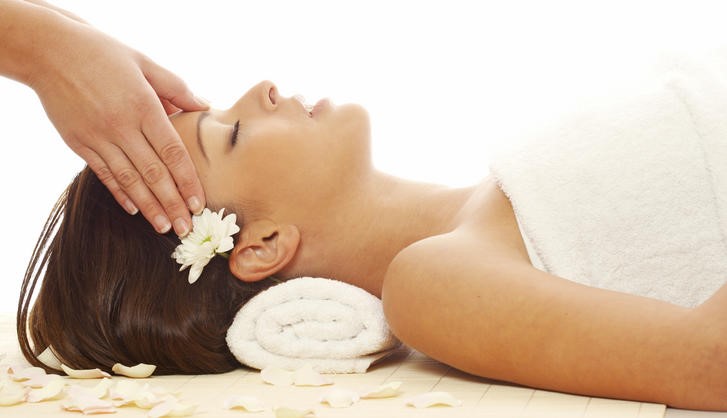
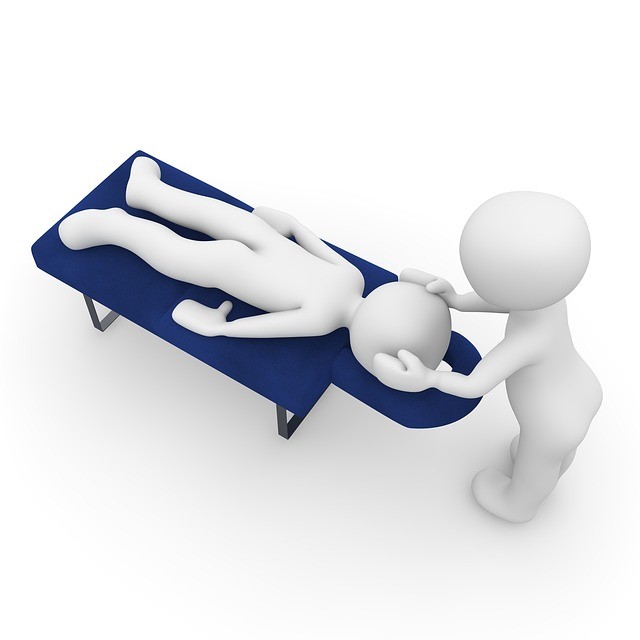
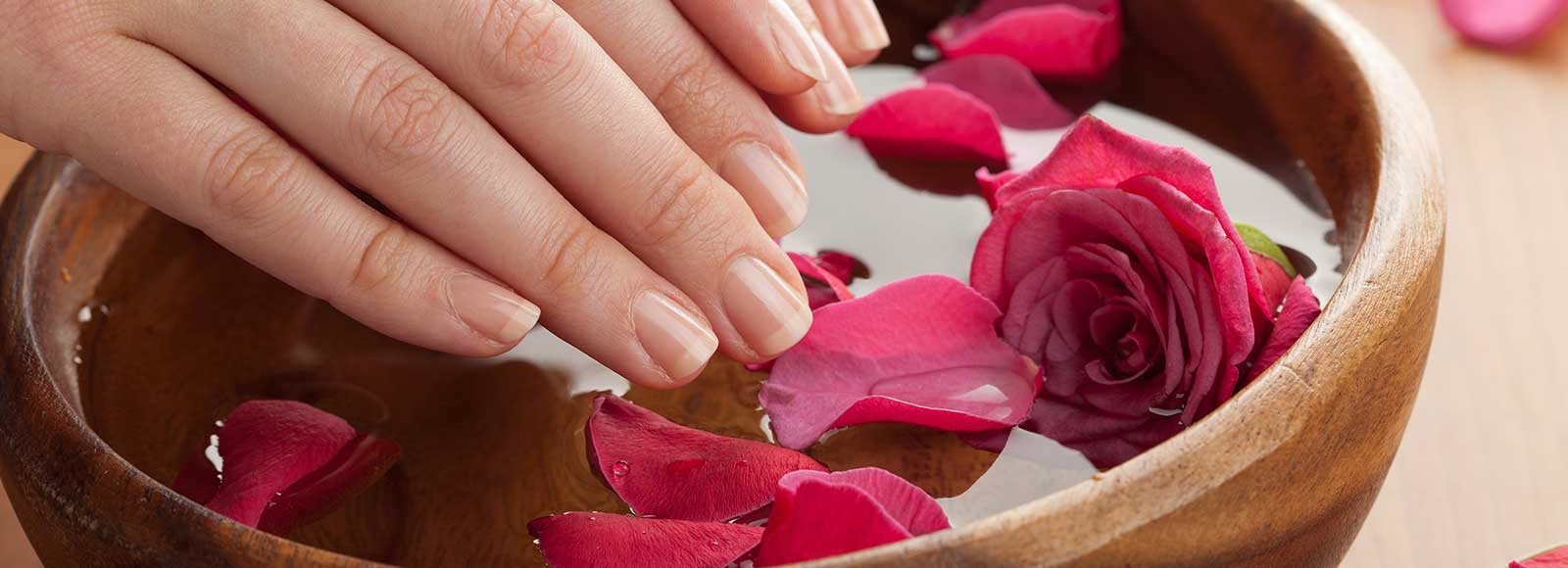
A visit to the spa is undoubtedly a ticket to relaxation and getting in touch with your inner self for a dose of goodness for your well-being. Taking on a relaxing massage for your head, body or even for your feet can do wonders for your body, mind and soul. Here are a few advantages you can gain from a visit to the spa:

spa-treatment

• Spas create an ambience that comprises different smells and fragrances that can be uplifting to the mind and body, and can help regulate one’s stress and other issues just through the administration of a small dose of the fragrance.
• A visit to the spa helps break the pattern of cyclical thinking that keeps you in a perennial state of stress, even when nothing can be done about a given situation. The human mind is wont to be anxious, prone to worry and remain upset when things don’t go a certain way.
• Spas can take you through a mild and simple therapy without any intervention. They are comfortable treatments that help activate key centres in the body for the restoration of good health.

massage-1015569_640
• The use of aroma oils in a spa makes all the difference to your health. These are volatile plant oils and essential oils that help one with psychological and physical well being. Essential oils are pure essences from plants, and provide a lot of benefits to people when used correctly and safely, and administered appropriately.

5-Great-at-Home-Spa-Treatments
• Spas also give you the chance to undo any “knots” in your muscles. Through simple massage techniques, masseurs help relieve the tension that gets stored in your body from every day stress and constant activity that is rigorous.
• A session at the spa will not only leave you feeling good, but also looking good. With their therapeutic routines, spas give you a chance to let your inner radiance glow!

header53

References:
https://www.thefourfountainsspa.in/benefits-of-spa-therapies
http://timesofindia.indiatimes.com/life-style/health-fitness/de-stress/Spa-therapies-to-relax-you/articleshow/51021358.cms
http://timesofindia.indiatimes.com/life-style/beauty/17-benefits-of-going-to-thespa/articleshow/10313246.cms
http://www.healthandfitnesstravel.com/blog/10-health-benefits-of-spa-holidays

Picture Courtesy:

health4painrelief.com/

Front Page

woodcliffhotelspa.com

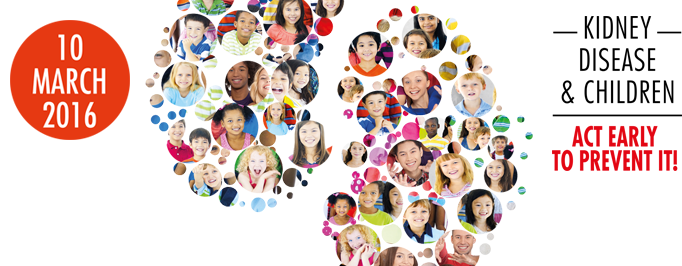
Kidney Disease & Children- Act Early to Prevent It!

What are Kidneys and how they work?

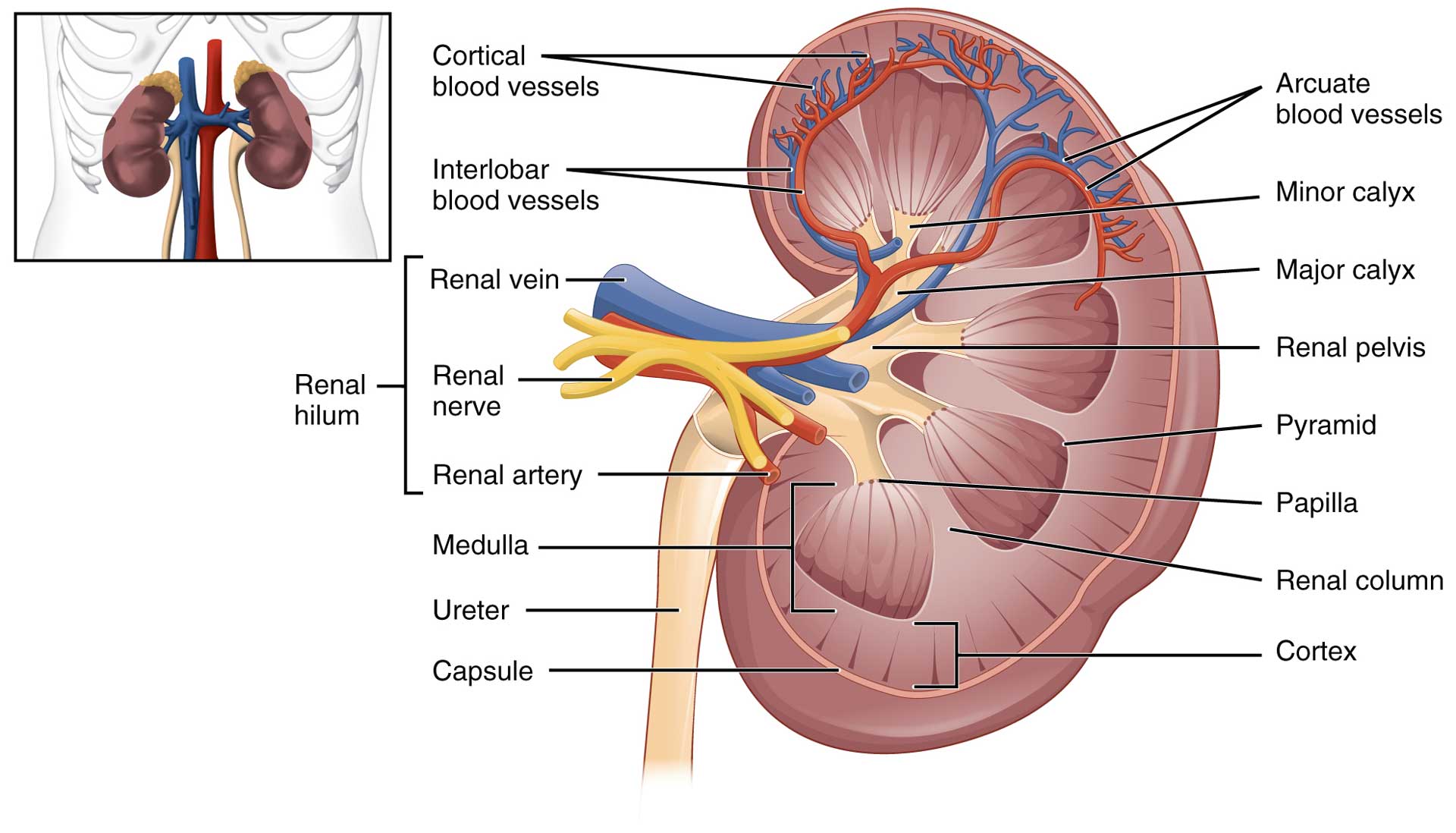
The kidneys are two bean-shaped organs, located just below the rib cage, one on each side of the spine. The kidneys play a critical role in the body: They act as a filtering system and help control water levels and eliminate wastes through urine. They also help regulate blood pressure, red blood cell production, and the levels of calcium and minerals.

What are the causes of kidney disease in children?

Kidney disease in children can be caused by birth defects, hereditary diseases, infection, nephrotic syndrome, kidney stones, urine blockage or reflux and systemic diseases like diabetes, hypertension.

2610_The_Kidney

How can we prevent?

While it is not always possible to prevent all kidney diseases, some of them can be easily controlled by taking simple steps in order to prevent long term kidney damage.

1. Drink lots of water every day: Water keeps you hydrated and helps the kidneys to remove all the toxins from your body. At least 1.5 litres of water a day is must. Not drinking enough fluids can make urine become extra concentrated and increase the likelihood of kidney stones

2. Reduce the intake of salt: Salt increases the amount of sodium in diet. It not only increases blood pressure but also initiates the formation of kidney stones. It is important to quantify the daily salt intake and reduce it whenever possible.

3. Eat and drink Healthy: One should include right foods in diet. Particularly, foods that can strengthen your kidneys like fish, asparagus, cereals, garlic and parsley. Fruits like watermelon, oranges and lemons are also good for kidney health. Drinking fresh juices are one way of drinking more fluids and keeping your kidneys healthy. Avoid drinking coffee and tea.

4. Daily exercises: Doctors believe that obesity is linked to kidney related problems. Exercising can surely help one to lose extra weight and enhance kidney health.

5. Never repel the urge to urinate: Although urinary bladder can hold a lot of urine, the urge to urinate is felt when the bladder is filled. At this time, one has to void urine. If you start ignoring the urge to pass then, the urinary bladder stretches more, and this affects the filtration process of the kidney.

More reads:
1. Kidney disease, chronic-Prevention (http://www.nhs.uk/)
2. Preventing Kidney stones. Harvard Health Publications (http://www.health.harvard.edu/)
3. Penniston KL. Effect of dietary changes on urinary oxalate excretion and calcium oxalate

Article by our collaborator, Dr Manigandan Chandrasekaran is a Consultant in Neonatal Medicine at Cloudnine Hospital in Chennai. He is trained in Neonatal Medicine and joined the   Cloud Nine hospitals aiming to deliver high quality care to neonatal infants in India.

Picture Courtesy:

worldkidneyday.org

Cycle your way to Good Health

Regular cardiovascular exercises are one of the foremost forms of exercise that your body needs, both, to keep fit, and to stay in top shape and good health. While for most people, this is achieved through a session at the gym or in the pool, there is a fun option that takes you outdoors, and is just as good, if not better. Cycling is simple. All you need is a good quality cycle and a good pair of shoes, some comfortable clothes and some space on the street or a park.

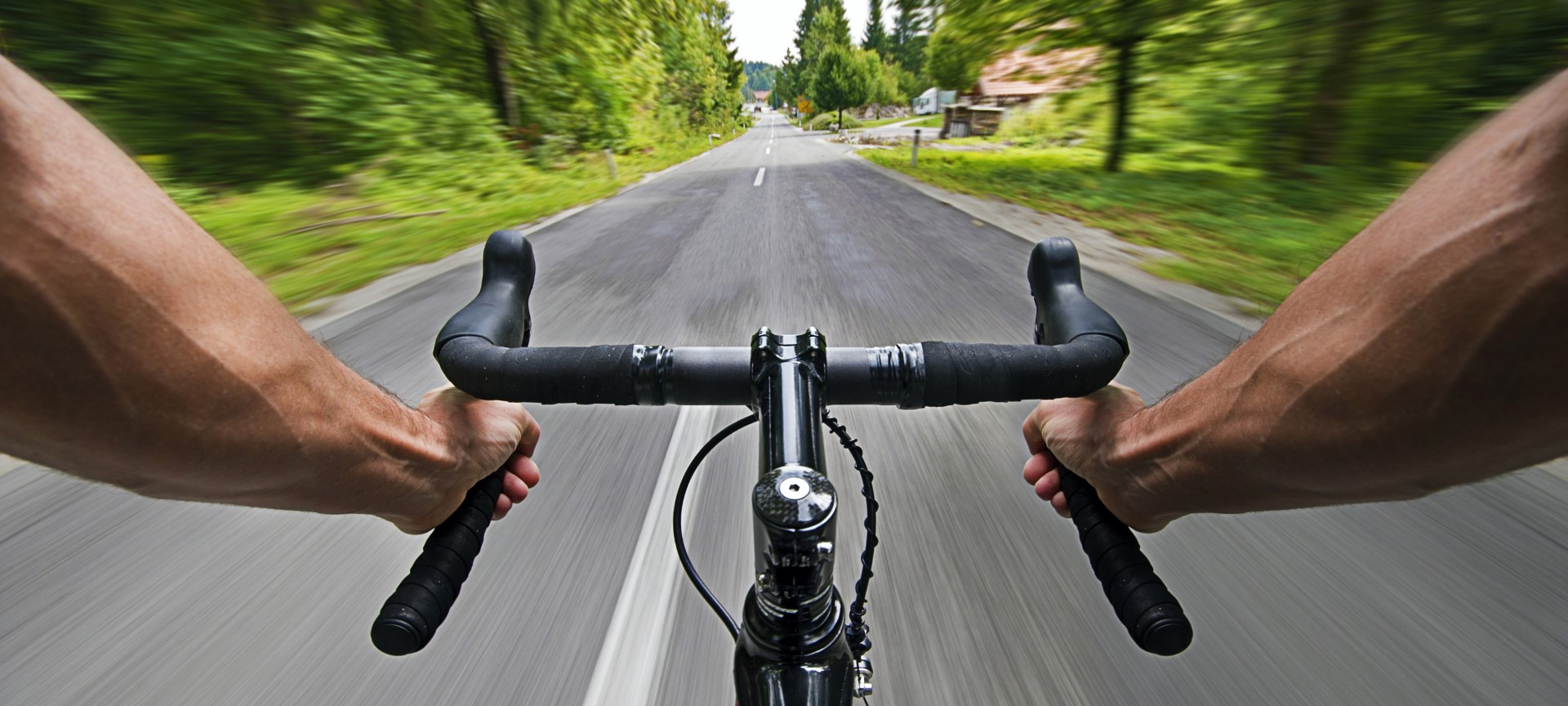
CYCLING

Cycling everyday will keep you healthy and fit – but it really is your best investment for your health for the following reasons:
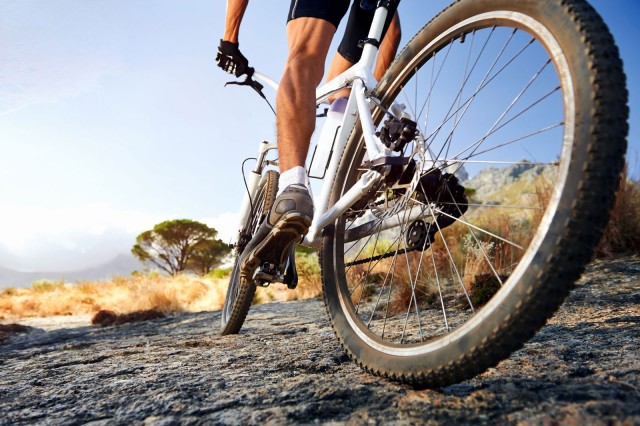
• Cycling is highly efficient as an exercise simply because it burns calories. Adding intensity to your cycling session through slopes and inclines, rough and tough terrains and increased durations can help you stay healthy and lose all those unnecessary and empty calories that your intake may be piling on you.

The-ultimate-guide-to-outdoor-cycling-for-weight-loss
• Cycling is perfect for your legs, and helps strengthen your lower body and creates a sense of agility and a heightened sense of metabolism.
• Cycling helps influence weight loss, especially with the right kind of intensity and time duration, and the manner in which your body responds to Cycling. It is a good tool to help keep your muscles supple, and when the metabolic rate rises, helps it burn all that excess fat.

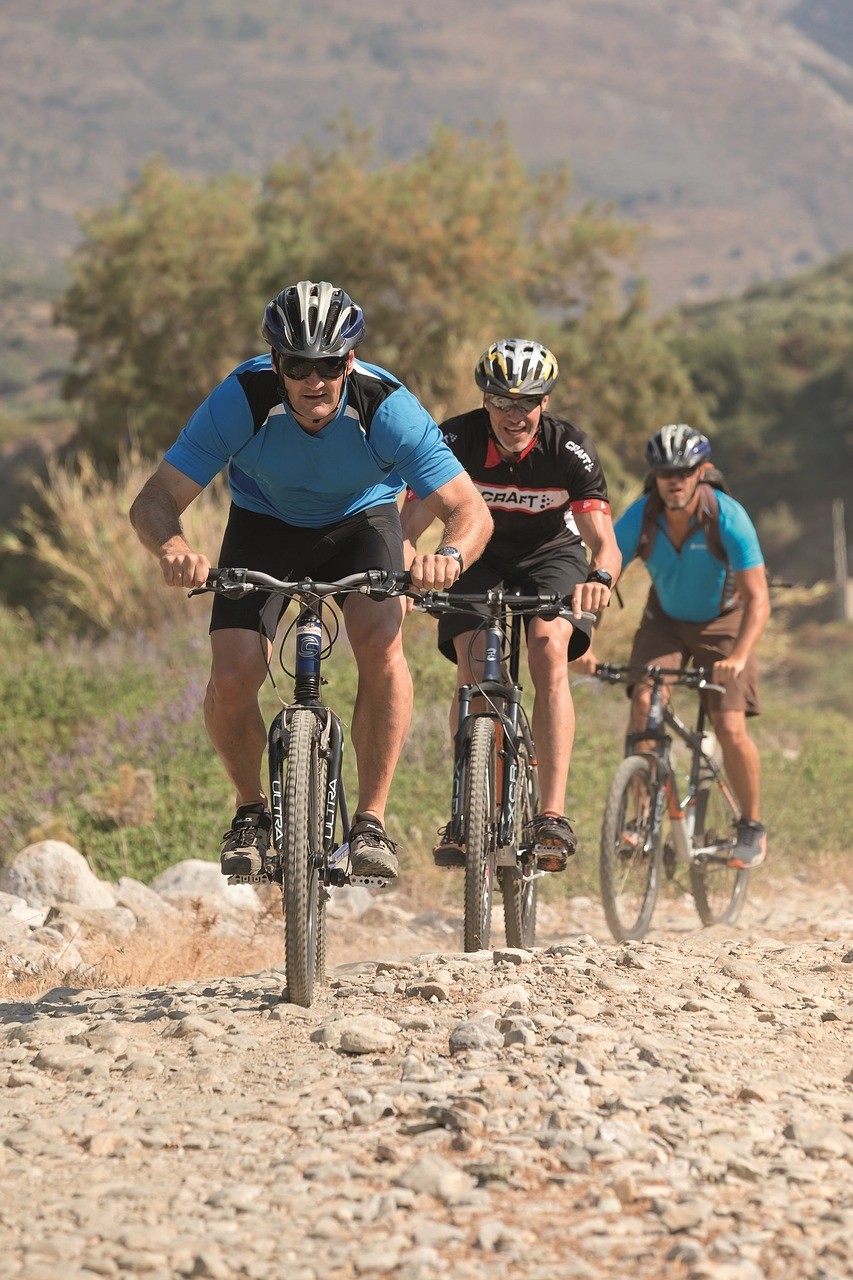
bike-1172465_1280

• Cycling helps keep your heart healthy and supple. When you do intense cardiovascular exercises, the heart rate rises. When the heart rate rises, there is an automatic increase in the amount of blood pumped, and this spike in the pumping of blood helps increase the supply of blood to the body’s organs, and helps reduce bad cholesterol, thus keeping the heart healthy.
• Cycling can also boost your mental health significantly, since it helps keep you buoyed, happier and in good spirits, while also helping you reduce your stress levels and improve poor memory. Studies link regular cardio exercises like cycling to reduce the risk of Alzheimer’s and dementia related illnesses.

cycling-1043634_1280
• Cycling is convenient and easy to do at whim, for all you need in order to run is to get on a cycle, wearing a good pair of shoes, some comfortable clothing and some open spaces.
• Cycling also helps get rid of toxins in the body, because it breaks your body out into a sweat, that helps release all the toxins from your system.
• Cycling is good for the skin – all that sweat and toxins in the pores are sent packing, and your skin is left glowing, and free of acne and blemishes.

Picture Courtesy:

cdn1.tnwcdn.com/

watchfit.com/

Pixabay

References:
http://timesofindia.indiatimes.com
http://www.mensfitness.com
http://www.nhs.uk

Things to Know about Glaucoma

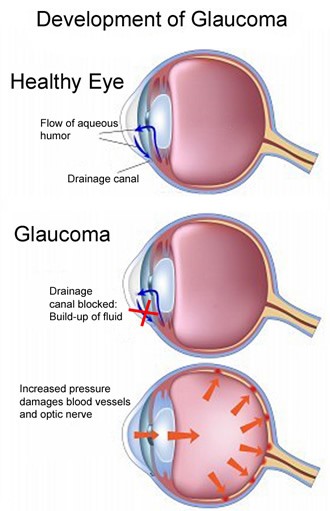
Glaucoma is a name given to a group of eye diseases. They tend to cause progressive damage of the optic nerve, specifically at the point where the nerve leaves the eye to carry visual information to the brain. Here are some facts to help you learn about and understand Glaucoma:

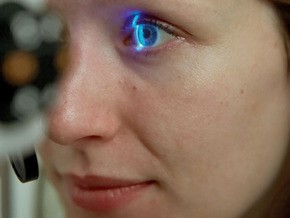
eye-test-2015_800-thumb-290xauto-1118
– If it is left untreated, most kinds of glaucoma tend to progress towards worsening visual damage and may also lead to blindness.
– Once glaucoma occurs and visual damage takes place, it is mostly irreversible. This is why glaucoma has been described as the “silent blinding disease” or the “sneak thief of sight”.
– Glaucoma is the second most common cause of blindness worldwide. It is estimated that 4.5 million people over the world are blind due to glaucoma and that this number will rise to 11.2 million by 2020.
– There are several types of glaucoma. Some kinds of glaucoma may occur as a complication of other visual disorders such as the so-called “secondary” glaucoma. But a vast majority of glaucoma cases are “primary,” i.e., that they occur without a known cause.
– It was once believed that the cause of most or all glaucoma was high pressure within the eye, known as intraocular pressure – sometimes abbreviated as IOP. It is established that even people without an abnormally high IOP may suffer from glaucoma. Intraocular pressure is considered as a “Risk Factor” for glaucoma together with other factors such as racial ancestry, family history, high myopia and age.
– Some forms of glaucoma may occur at birth or during infancy and childhood. In most cases, glaucoma appears after the forties, and its frequency increases with age. There is no clearly established difference in glaucoma incidence between men and women.
– The most common types of adult-onset glaucoma are Primary Open Angle Glaucoma (POAG) and Angle-Closure Glaucoma (ACG).

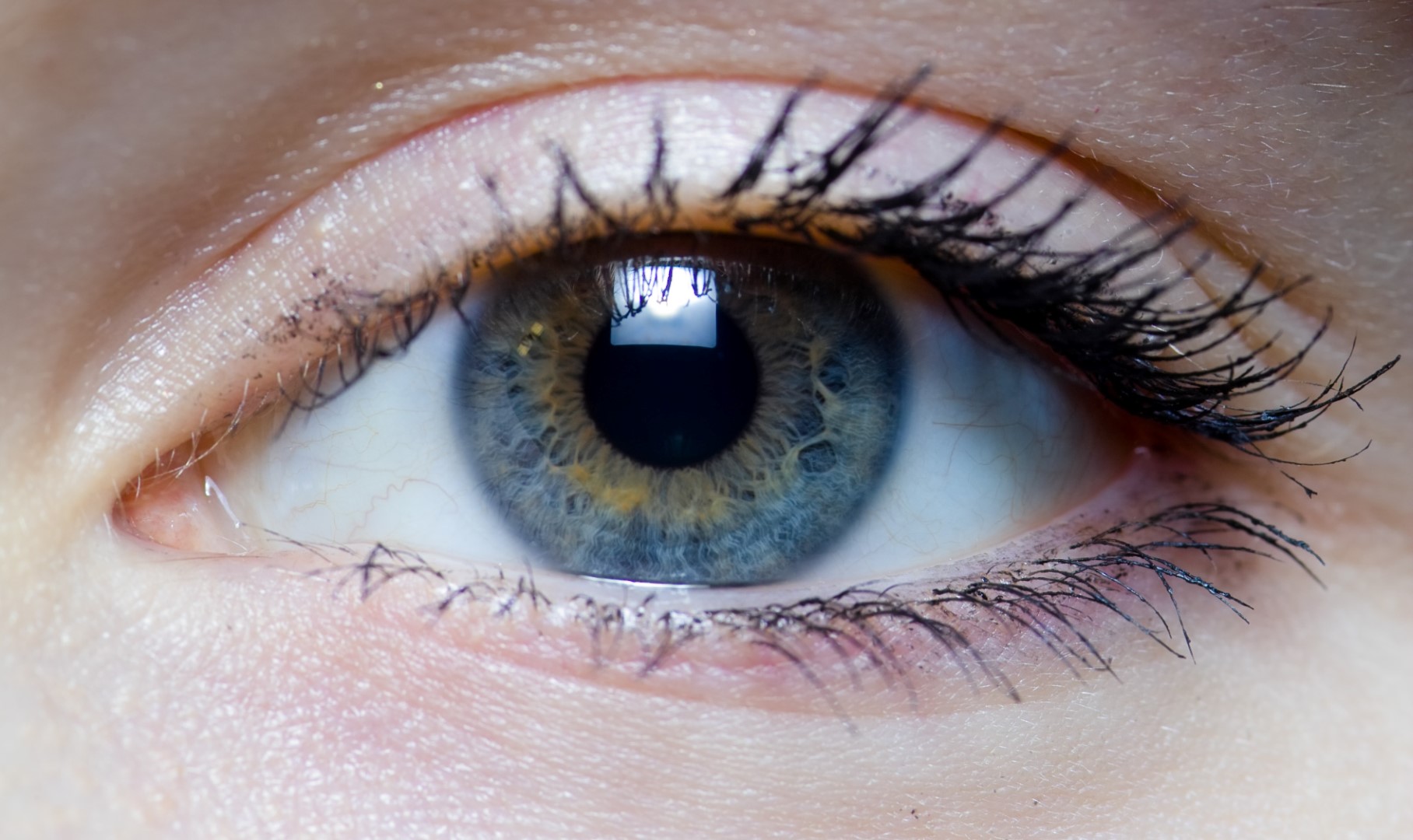
Iris_-_right_eye_of_a_girl

– Angle-Closure Glaucoma is often chronic, like POAG, but can sometimes be acute, in which case it usually presents as a very painful ocular condition leading to rapid vision loss.
– There is no cure for glaucoma as yet, and vision loss is irreversible. Medication or surgery (traditional or laser) can halt or slow-down any further vision loss. Early detection is essential to limiting visual impairment and preventing progressive degeneration towards severe visual handicap or blindness.

glaucoma-pic11

References:

http://www.wgweek.net/
http://www.glaucoma.org.au
www.glaucoma.org/
www.allaboutvision.com

Picture Courtesy:

glaucoma.org

wgweek.net

waeyecare.com/

wikimedia.org

www.wgweek.ne

« Older Entries Recent Entries »