Author Archives: administrator

Milind – Fitness and Diet!

From the early nineties right up to now, Milind Soman has always stood out for his phenomenal fitness levels. Easily capable of taking on the younger breed of celebrities with chiseled bodies, Milind Soman can run anyone aground when it comes to his physique – all thanks to his dedicated fitness regimen.

Milind1
Recently having become a cycling buff, Milind Soman’s fitness regimen came to his rescue to help him hop on board a triathlon and kick life into his performance – despite not having even heard of cycling as a full-fledged sporting event.
An enduring fitness enthusiast for years together, Milind Soman has remained a very wholesome fitness freak – working on the mental, emotional, spiritual and physical components of fitness, taking each one as seriously as the next.

Milind Soman at Multiple society of Scleroris India Event. Photo: FilmiTadka.
His initial tryst with fitness began with swimming – where Milind Soman won several swimming meets with the unending support from his family till he turned 23. Back in the day, he used to train for about 3 to 5 hours a day, 5 days a week. The impact it had on his physique was as clear as day, in the still popular video, Made in India. Unfortunately, when he took to modeling, he fell prey to the bad habit of smoking – and later, in 2004, in the Mumbai Marathon, he had a life changing experience through running, and gave up smoking.

thewirecom

In 2009, after five years of running the half marathon every year, he decided to enter the full marathon (42 kms) and completed it in 4 hours 50 minutes. Since that day onwards, Milind Soman has been a regular to all running events, and even put together the Pinkathon event in favour of running for Breast Cancer awareness.
Also working just as hard on his diet, Milind Soman is a very conscious eater. He eats everything save for refined sugars, and tends to reduce and limit his intake of meat while all other food is eaten in moderation. He enjoys ghee and butter with his every meal. A committed fitness enthusiast, Milind Soman’s key goal has always been to ensure that he takes slow steps towards keeping his fitness levels high. He also makes it a point to listen to his body – and to keep his energy levels buoyed through motivation from within.

References:

http://www.idiva.com/news-health/milind-soman-talks-about-his-fitness-and-ironman-triathlon/1510307
http://www.bollywoodshaadis.com/articles/milind-soman-fitness-regime-diet-and-workout-3986
http://www.indiatimes.com/health/healthyliving/milind-soman-opens-up-about-his-journey-towards-fitness-and-getting-hooked-to-overcoming-challenges-243437.html


Good Sleep for Good Health

Sleep is absolutely vital for your health and longevity. Whether it is for productivity at work or for overall bodily well being, the importance of sleep cannot be emphasized enough. When you go to sleep, your body takes care of all the processes and bodily activities that need to take place to eliminate toxins. It is, therefore, vital that you sleep on time and avoid impacting your health negatively. Studies suggest that those who sleep eight hours a night are capable of not only good mental health, but also physical well-being.

6664088073_9555939e33_z

Sound sleep is believed to have powerful impacts on one’s memory. According to a study that was done by the Brigham Women’s Hospital, people were found to be capable of remembering faces and names of people better if they got eight hours of sound sleep after seeing those faces and names for the first time. According to the study, it appears that when participants were given the opportunity to have a full night’s sleep, their ability to correctly identify the name associated with a face – and their confidence in their answers improved significantly.

boy-828850_960_720
The study conducted by BWH brought together a bunch of participants in order to test them in a controlled environment while staying at BWH’s centre for clinical investigation. They were shown twenty photos of faces, all with corresponding names, from a database of over 600 colour photos of adult faces and were asked to memorize them. After a 12-hour period, they were shown the photos again, with either a correct or incorrect name, and were asked to confirm the name of the person in the picture. While answering, the participants were also asked to rate their confidence while answering on a scale of one to nine. The study revealed that when they were given an opportunity to sleep for up to eight hours, the participants correctly matched 12% percent more of the faces and names.
Studies also reveal that sleep is important for learning new information. It appears that sleeping after new learning activities may help improve memory. It appears that sleep augments the body’s retention capacity. The study revealed that as people get older, they are more likely to develop sleep disruptions and sleep disorders, which may, in turn, cause memory issues. By addressing issues with sleep, it is likely to be able to affect people’s ability to learn things at all different ages, according to the study.

Source:
http://www.indiatimes.com/health/buzz/not-getting-8-hours-of-sleep-is-the-reason-you-can-t-remember-anything-247709.html

Heart Healthy this Winter

Winter or summer, autumn or spring, your heart works hard all year round. It is absolutely vital for you to keep your heart healthy and functioning in perfect order, especially in winter where you tend to remain indoors and sedentary. Heart failure refers to a situation where the heart cannot function because it either does not pump or receive enough blood. When the heart collapses, there occurs a heart failure. Symptoms of a heart failure include shortness of breath, swelling in the legs and feet, fatigue and heightened heart rate, and a state of weakness and giddiness.

Exposure to cold weather tends to increase the risk of heart failure. This happens because there is room for chest infection, increased salt or water intake, alcohol and medication and even declining kidney function. With cold weather, smog and pollution, the risk of chest and lung infections are increased. There is also a reduction in the amount of sweat during winter, which culminates in a state of cardiac discomfort. Here are a few things you can do to keep your heart in check:

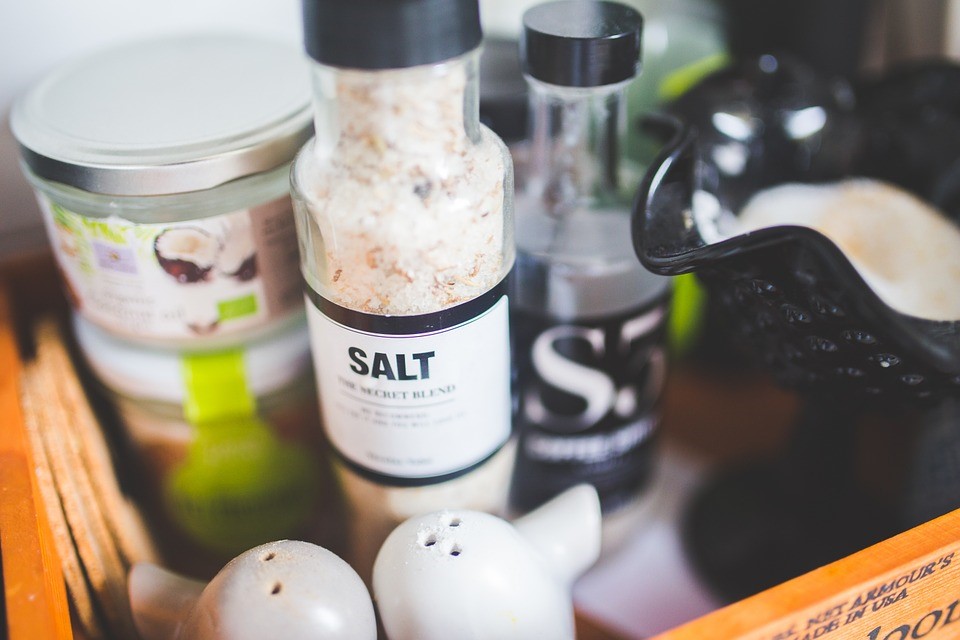
salt

1. Reduce your salt and water intake, since the body doesn’t lose much fluid due to the lack of sweat in winter.

cycling-655565_960_720

2. Keep working out everyday – the more you workout, the healthier and stronger your body is.

blood-pressure-1006790_960_720

3. Keep an eye on your blood pressure levels to ensure that it is treated and attended to if it is high.

influ

4. Vaccinate yourself against influenza and pneumonia, so as to avoid chest infections. Use home remedies to keep flus and colds at bay.

pills-14550_960_720

5. Stock up on vitamins and prescribed medication that you are on, to avoid unnecessary side effects.

symbol-35597_960_720

6. Make sure that you monitor your urine output and don’t wind up having too much fluid accumulation in your lungs. If the urine output is low, it means that your lungs are filling up with fluid – avoid it at all costs!

delicatessen-240593_960_720

7. Cut back on oily food and heavy snacking so that you don’t wind up collecting too much salt in your system. If you must snack, do make sure that you avoid salty food.

sick

8. The moment you see signs of a lung infection, get it checked and monitored to avoid suffering with it – and winding up with a negative impact on your heart health.

Reference:

http://www.indiatimes.com/health/tips-tricks/here-are-7-things-you-can-do-to-take-care-of-your-heart-this-winter-247845.html

Feel Good, Eat Well!

Eat to please thyself, and dress to please others. No matter what your day comprises, no matter what your dietary regimen is, it is vital that you stay happy with your body, and feel good about yourself. Eating more than a designated portion should not leave you feeling guilty, and eating too less might wind up making you crabby or annoyed. Here are some important things to keep in mind when you eat – to make sure that your health is not compromised on.

cereal-898073_960_720

1. Eat healthy as a matter of natural choice. Be intuitive about what you eat, and don’t follow rules and diets blindly or for the sake of a trend that you’re trying to follow. Do what is best for your body and mind and don’t impose anything on yourself.

Woman having a fruit lunch at her desk

PC:www.marksdailyapple.com

2. Make eating an independent activity and don’t eat while watching television or working. Always breathe deeply, be thankful for every morsel and chew your food well. Follow a diet and stick to it sincerely. For best results, start this well in advance of the festive season, so that you lapse into the routine.

breakfast-848313_960_720

3. Eat small portions – or in moderation. Everything does taste good, but keep your appetite in check. If you think you’re likely to binge, then stop for a moment and start sharing sweets – it gives maximum pleasure and also makes sure that you don’t end up eating too many.

fedc6cc01f9d8be52529f0e797bdd8aa

4. Fall back on healthy options like fresh and dry fruits, and make it a point to serve people who visit you, with this rather than fat filled and processed food.

pastries-756601_960_720

5. Take smaller portions of sweets.

fried-chicken-250863_960_720

6. Avoid fried food and keep your eye on roasted, steamed and sautéed food so that you don’t wind up eating inappropriately.

food-2279_960_720

7. Opt for foods that have a lot of water content in them, especially because they are filling and are low in calories, fats and sugars.

orange-991051_960_720

8. If it comes to drinking a beverage, ensure that you don’t compromise on taste while keeping the health factor in order. Pick a beverage where you have the option between drinking and eating something. Make healthier versions of sweets and snacks, using organic or natural ingredients.

dailymailcouk

PC:www.dailymail.co.uk

9. Never starve or deprive yourself of anything – a binge phase follows deprivation and the results are not good!

References:

http://www.mindbodygreen.com/0-21771/6-simple-rules-to-feel-good-no-matter-what-youre-eating.html

http://www.mindbodygreen.com/0-21391/8-tricks-to-look-feel-younger-no-matter-how-you-like-to-eat.html

Monsoon Health Tips

The rains are on us and it is but a given that everyone is vulnerable to infection in one way or the other. Staying healthy in the monsoon is absolutely important, especially since your immunity might be at a low, what with the heavy rains and exposure to too much wet weather. Eating in the monsoon season might not seem like anything different from your diet through the rest of the year. But this is a misconception: you need to ensure that your body has the right resources and nutrients to stay healthy – because the monsoon is a season where your immunity is at a low, and you are vulnerable to infection all the more. Here are a few tips to help you ensure that you have your health in order this monsoon:

fruits-601742_960_720

1. Eat lots of fruits and fibrous foods so that your energy resources are not depleted. Apples, mangoes, pomegranates and pears are your best bet.

salt-791655_960_720

2. Reduce your salt intake, for it increases water retention and blood pressure.

watermelon-925061_960_720

3. Avoid eating too many watery foods like watermelon, cucumber and muskmelon since they increase the swelling and bloating in the body.

onion-315377_960_720

4. Add garlic and onions to your diet to boost your immunity.

plate-166868_960_720

5. Ensure that you have warm foods that keep you warm from within.

glass-617387_960_720

6. Use yoghurt and curd instead of milk, but if you must drink milk, make sure that it is boiled well.

kettle-357186_960_720

7. Always drink boiled water in the monsoon, and don’t neglect the amount of water you drink, because you need to stay hydrated.

Fenugreek, klabat

8. Bitter vegetables, such as bitter gourd, neem, turmeric, ginger and fenugreek can help keep your body free of infections.

food-516044_960_720

9. Avoid spicy food, for it can result in skin infections and allergies.

shish-kebab-417994_960_720

10. Avoid too much fish and meat in the monsoons, lighter food like stews and soups work well. Avoid eating street food, especially since they are exposed to contamination, and the use of water in cooking street food may not be clean. Hygienic food made of hygienic ingredients is but essential.

bottles-60474_960_720

11. Drink your own water. If you know you are going to be out on the road for a fair amount of time, make sure that you carry your own water rather than to rely on water bought from outside, since it may be spurious.

helenafaifaxcom

PC:www.helenafairsfax.com

12. Avoid raw food in the monsoons, especially since they have to be washed and served hygienically. There is a chance that they may not be clean, and this is the quickest way in which infection spreads.

4604897891_3a00773366_z

13. Wash your hands often to ensure that you stay away from germs. Use a hand sanitizer if it helps.

baby-shoes-974719__180

14. Wear closed shoes, and if possible, water proof ones. Leptospirosis spreads through slushy water, and you’d do well to keep your toes and feet covered, lest there be an imbibition of the germs through the delicate skin between your toes.

References:

https://beautyhealthtips.in/best-healthy-health-tips-monsoon-rainy-season/

http://goindia.about.com/od/planningyourtrip/qt/monsoonhealth.htm

http://timesofindia.indiatimes.com/life-style/beauty/Quick-tips-for-that-party-season-glow/articleshow/45361172.cms

Human Dignity & Mental Health

Human dignity as a concept comes from the core principle that every individual has an intrinsic value that should be respected and treated with equality. It is a standard and yardstick that is used to ensure that ethical behaviour is always followed in entirety. Regardless of any attribute an individual may have in life, every individual has a right to be treated with dignity.

This is as true as it is for everyone else, in the case of people who are coping with mental & behavioural health issues. When people are encumbered by issues, it is hard for them to see their own value and dignity – and it is imperative, doubly so, that people around them ensure that they restore the true perspective they should have of themselves.

When we respect the dignity inherent in people around us, we are in a place where we become useful and helpful to those who could benefit from our support.

mind-tricks lifehack.org

The Stigma

Most often, misconceptions and ill-informed perspectives tend to adversely affect the way in which people are treated – and this is seen to be the case with people who cope with mental health issues in their lives. When the inherent dignity of an individual is disrespected or insulted, they fail to move out of a place of fear and shame – which makes their treatment and healing difficult. It is this disrespect and disregard of their dignity that is often the cause for the ascription of a stigma, and prevents people from talking about it.

A teenager who might be coping with depression might avoid speaking out about it for fear of what his classmates and peers might think of him. An orthodox family may not be willing to acknowledge that one of their family members has a case of anxiety and needs to seek help – because they don’t want to be seen outside a therapist’s clinic . In fear of what may be ascribed to them, these people may never seek help. And unfortunately, many a times, being discriminated at work and social situations can be a bigger burden than the illness itself. Research indicates the stigmatisation of mental illness as one of the key reasons that many people do not seek professional help when they are experiencing mental health difficulties.

4735925

mindnutritionbody.com

How can we be more supportive?

As individuals we all can help create a society where such problems are not hidden in shame and secrecy. You can ensure your friend or relative is not afraid to speak out about their problems, or is left wondering where they can turn for help. Studies have showed that there are many ways in which dignity may be promoted by simply providing more attention to people with mental & behavioural health issues.

Here are some useful tips you can adopt to handle and treat people with mental health issues with dignity:

Be open to Communicate: If someone comes to you to talk, try not to brush them off. Allow the care seeker to know that they can trust you and can speak to you, and that they will not be treated differently or discriminated because of what they are going through. If you know someone has been unwell, don’t be afraid to ask how they are. They might want to talk about it, they might not. But just letting them know they don’t have to avoid the issue with you is helpful.
Educate Yourself: If you think you might feel awkward or uncomfortable asking them about mental illness, read up and learn more about it. Join online groups, forums, social groups and online communities to help find out as much as you can, and to find a community of supporters on what care seekers and care givers require. Some groups include our community on SeekSpark.
Help them Seek Help: Most often people might worry about appearing weak if they seek counselling or many a times they might not realise they are sick. While you might not be an expert, you can encourage the person to seek help. Do not worry that you are interfering with their lives rather treat this as an opportunity you’ve got to improve someone’s life.

Picture Courtesy :unifiedstream.com

Article Courtesy: Seekspark

World Obesity Day

A global challenge no less, obesity is a significant barrier to good health. The solution to obesity and the approach to keeping obesity at bay is in your hands – and all it takes is to rely on some good lifestyle hacks. Here are some nifty tips on how you can keep your health in good order and avoid obesity:

breakfast-698532_640

1. Never skip breakfast, and make sure that you have a nutritious breakfast. Your first meal after several hours, breakfast is a vital meal. Eating breakfast ensures that you will consume fewer calories during the day after the meal – as opposed to skipping breakfast, which leads you to eat more.

Soybeanvarieties

2. Eat foods rich in fibre, so that your digestion is strong and your stomach is filled. You won’t snack on empty calories when you eat fibre dense foods, and your blood sugar stays at a healthy rate rather than spiking up erratically.

lettuce-811962_640

3. Eat more natural food and avoid processed food as much as possible. Eating raw, leafy green vegetables and raw fruits can help keep your body filled with healthy fibre, and at the same time, give you the nutrients you need for healthy digestion.

USDA_dinner_cropped

4. Enrich your diet with a balance. Don’t go on high protein and low carb diets – instead, opt for healthy balances. In the process, rely on fish, chicken and beans for protein, rather than heavy meats and cholesterol inducing fats.

8598689514_472f90fccb_b

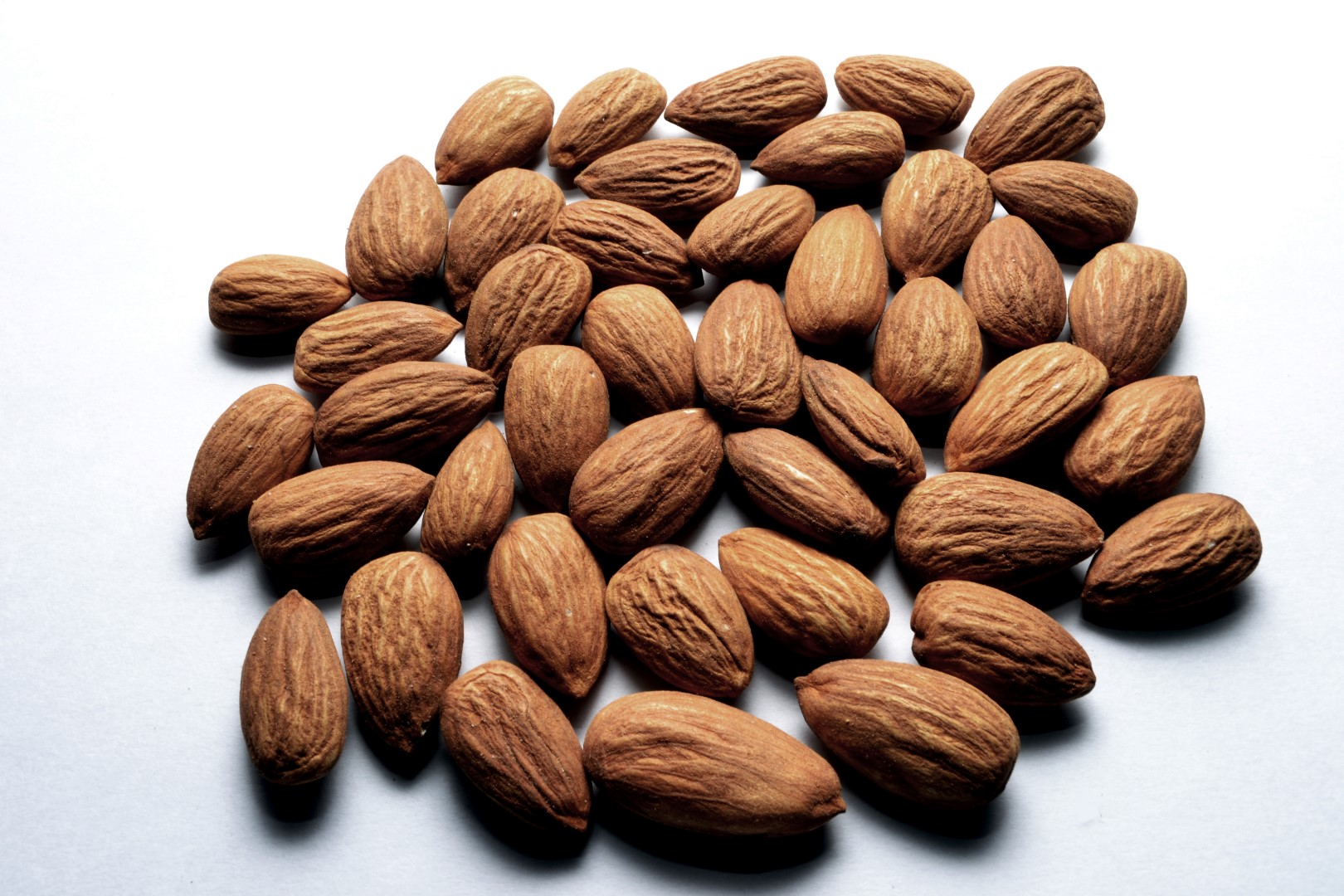
5. Snacking in between meals is not advised, but if you simply must, or if it is inevitable, snack healthy. Turn to a fruit or a stick of celery or cucumber, or indulge in nuts. These snacks will help you feel full, and will not add empty calories in your system – but instead, leave you with nutrients that add value to your health.

Almond_Nuts

6. Never neglect your calcium intake. Calcium helps play an important role in the way fat is stored in your body. When your cells are rich in calcium, the more fat they can burn – and this keeps obesity at bay. However, do not overdose on calcium, because it can lead to bone spurs.

goweloveitinfo

7. Keep exercising. The more exercise you do, the better your body gets at burning calories and having a high metabolism – this will help your body build healthy muscle mass while ridding itself of fat that is unnecessary for its wellbeing.

References:

http://www.nhlbi.nih.gov/health/health-topics/topics/obe/prevention

http://www.worldobesity.org/what-we-do/action-initiative/aiprogrammes/world-obesity-day/

http://www.readersdigest.ca/food/diet-nutrition/6-ways-prevent-obesity/

Music for your Mood

Studies suggest that listening to music can be an uplifting process, as it can help lift or reinforce your mood and eventually go onto leading to a greater quality of life. Music is as much a vital part of culture as it is the larger picture of health, wellbeing and everyday living. According to a team of Scientists at the University of Missouri, that people can boost their mood simply by listening to upbeat music!

3065666024_5b3b60e475_z

According to their research, listening to music helps to improve people’s moods, and boost their overall happiness in just a matter of two weeks, according to their research. In the study that the team conducted, participants improved their mood after being told to try to do so, but they only succeeded when they listened to the upbeat music of Copland, as opposed to the sadder tunes of Stravinsky. Other participants who simply listened to the music without attempting to change their mood, didn’t report an increase in happiness.

8797030430_aa7dfb85aa_b

But music isn’t confined only to feeling good in general – it is also active therapy while going through break-ups or relationship problems. Music works very well as therapy, too, as it creates a way to calm the mind, to restore energy, to improve mood, and to even help the body heal more naturally. It can also increment the productivity levels, and help get a sense of eased dedication and commitment to the task allotted. Music is also great for babies, as their formative development finds a way to take shape better when they listen to music.

Do you like to listen to any particular music as a way to uplift your mood? Tell us about your favourite kinds of music!

Too Lazy to Meditate? Here’s a way out for you!

Meditation is your sure shot defense against stress, depression, anxiety and a great many other issues that can trouble you mentally and physically. It is also a fantastic way to unwind, relax, rejuvenate and reconnect with your inner self, especially when there is a tendency to be stressed and lose mental and physical health in the pursuit of a lifestyle predisposed to stress. Meditation is a life boat, really, and one should definitely invest in some time meditating. If you don’t find the inclination to meditate, or find yourself where you are psychologically lazy about meditating, here are some simple things you can keep in mind so you push yourself to meditate!

yoga-544970_1920
• Don’t put pressure on yourself to meditate. There’s no point stressing about meditating, right? So take it easy, and be conscious and mindful of your actions – that’s one way of meditating, too. Focus on your breathing, be conscious of your here and now, and be mindful of your choices, activities and thoughts, and keep a conscious check on your basic needs.
• Practice meditating even if you are not an expert – don’t give up or become lazy about it because it isn’t going as you want it to. Only practice makes perfect!

balance-110850_1280
• Maintain good posture, by focusing on your body. Bad posture can result in improper breathing and other physical conditions – while meditating, relax your body but in a good posture.
• To keep your focus on meditation, make it a point to count – count your breathing pattern, or count beats – just keep your mind focused on it.

candle-335965_1920
• Set time aside to meditate. Whatever your schedule is, factor 5 minutes, or a few more minutes, to meditate, and add this in your to-do list. When you do this, you make a commitment that you can and will stick to.
• Make space to meditate – find a place where you are both, happy and comfortable, and are not likely to be disturbed, in order to meditate.

meditation-277889_1920
• Do your research and get your knowledge in order so that you can meditate comfortably.
• Disconnect from electronics and the outside world when you are going to meditate – it is all these beeping machines around us that keep us away from being able to concentrate.

MEDITATION                                               pc: energymuse.com
• Rise early, and sleep early, and eat healthy. Keeping regular sleep cycles, and regular and healthy food or eating cycles will help you keep your body and mind in good order.

References:

http://www.indiatimes.com/health/tips-tricks/12-simple-meditation-tips-for-lazy-souls-243575.html
http://idiva.com/news-health/25-simple-and-awesome-meditation-tips-for-every-lazy-soul/1507207

PC: greatist.com

Third Step To Fitness : Consistency

Have you been starting your morning right? For how long? Did you manage a week? 2 weeks? 3 days?

If you have managed even a week, get that right first. Remember, to start small and be consistent.

If you have managed at least a week, your next big challenge, is SUGAR.

lump-sugar-548647_1920

There’s 3 macronutrient categories that most foods fall into: Carbohydrates, fat and Sugar. We’ll keep it simple on this post and just take note of the fact that sugar is not a necessary part of any kind of diet. Sugar is a carbohydrate and there are plenty of other sources of carbohydrates that you can eat without as many of the problems sugar comes with. So for the next 3 weeks, focus on eliminating sugar.

Here’s a few helpful tips/substitutes for most of the common forms of sugar:

1) If you’re a tea/coffee drinker, and you like your drink sweet, halve the amount of sugar first. If it doesn’t taste right, then maybe its time you accepted that its not really the coffee/tea you care for. If thats the case, maybe you can replace the whole drink with something sweet instead. Like a fruit or a few dried fruits.

14956851150_802c28905b_k

If you can go black…

11290183434_447fa899d5_k

2) Replace all obvious forms of white sugar only(at first) So throw out sweets and milk chocolate and substitute it with dark chocolate(over 70%) and dried fruit like dates or figs.

cakes-489849_1920

3) Make your evening drink of choice tender coconut water

coconut-674239_1280

4) If you absolutely must have some sugar. Pick one meal a week to indulge, buy your favourite dessert and eat only one serving of it.

chocolate-968457_1920

5) Replace fruit juice with whole fruit. Blended fruits have less fibre and tend to be high on fructose anyway.

465114075_ebdec0068a_z

Do this for 3 weeks and you’ll find you’ll slowly lose your taste for sugar. Its an addiction, and like all addictions you need to patiently wean yourself off it. The results will be well worth the discomfort.

The Author, Jyotsna John, is a fitness enthusiast who turned her passion for fitness into a full time career. She has travelled to UK and the US and studied a lot about fitness while she was there. She has a list of certifications, and is currently a trainer at The Unit, in Chennai.

« Older Entries Recent Entries »