Author Archives: administrator

Ways to treat Sun Stroke!

With rising temperatures and scorching rays literally pounding down on everything this summer, you are in a bit of a hot spot: literally and figuratively! Living in a tropical zone comes with its own advantages and challenges – and one among these challenges is the potentiality of a sun stroke. Invariably easy to keep at bay, avoiding sun strokes is one thing.

But what if you do wind up struggling under the burden of one?
We have a few useful pointers you can keep in mind, to address a sun stroke naturally!

Understand your symptoms first. If you suffer from severe headaches, dizziness, sudden chills, very dry and heated skin, cramps in your muscles, vomiting or nausea, heightened heartbeats, unconsciousness and disorientation are common symptoms of sun strokes. In most situations, the symptoms are a combination of one or more of these.
Start cooling the person down. The first step is to loosen all clothing and make the person comfortable, so that circulation can begin. If you happen to have ice or cold water, put the ice or cold water onto the back, neck and armpit to fight the effects of a sun stroke. Wherever possible, use cold towels and wet towels, even.  Get the person to lie down and lift their feet about 30 centimeters in the air so that they can avoid any potential shock.
Start cooling the space or surroundings down. The most important thing in sun stroke cases is to ensure that the body is no longer heated. Either lead the person away to a shaded and cool place, or have them placed in a room with a fan, or an air conditioned space. If you don’t have access to the air conditioner, open up all the doors and windows and ventilate the space.
Start hydrating the patient, and get them to drink water with electrolytes, or have them drink a solution of juice with salt and sugar, so that they can avoid the ill effects of dehydration. Wherever applicable, ensure that their sweating stops by cooling them down suitably. Don’t let them gulp the liquid, gently sipping it in bits and pieces is good.
Try Home Remedies: A teaspoon of honey mixed with the water in which dried fenugreek leaves have been soaked in can work wonders. Coconut water, fresh lemon juice with salt and sugar and even buttermilk can help cure a sun stroke. Another alternative is to grind tamarind seeds with water, sieve the mix and mix sugar in the water, and then get them to drink the liquid to heal quickly from the sun stroke. Help them concentrate on their breathing so that they can recover from the heat. This can be done slowly by letting the person take deep breaths and letting it out as if one were blowing off steam.

Sun strokes are serious, and if you don’t attend to it soon enough, it can cause dehydration and damage, especially to your brain and internal organs. For the most part, though, sun strokes are curable and easy to attend to with simple home remedies. Stay sun safe!

References:

http://healthmeup.com/
http://www.wikihow.com/
http://www.mayoclinic.org/

Why You Should Not Ignore Vitamin D Deficiencies

Come summer, and everyone is bound to curse at the heat. True, you can’t go from one point to the next without breaking into buckets of sweat! With this as a backdrop, if one were to tell you that you might be deficient in Vitamin D, there’s a chance that you’ll laugh it off and say that this much sun exposure is enough to ensure that there’s no deficiency.

Hold your guns. You aren’t exactly right about that. People around you, and perhaps you yourself, might be complaining of calcium deficiencies, back aches and joint pains, bone issues and muscle trouble. The root for this really lies in the lack of suitable amounts of Vitamin D.

Did you know that about the prevalence of Vitamin D related deficiencies are prevalent to the tune of 70-100%?

Yeah! That is a fact! Being in India does not guarantee you high Vitamin D. True, many of us live in terribly hot areas that know only summer and its milder forms, but the fact is, we are all not getting as much exposure to the sun as we ideally need. Work, school, college, family needs and plenty more that make our stress-filled lives what they are, keep us indoors for a long time. We are often dressed in a way that keeps us covered considerably. With all that in tow, we are in a space where we do not get enough exposure to the sun to stay healthy in terms of Vitamin D. Add to this mix the fact that Indians have a fair bit of low vitamin D intake through their food. Food supplements are often perceived as elder medication, and are often neglected by other age groups.

What does low Vitamin D cause?

Vitamin D is typically a nutrient for bone health. When there are low Vitamin D levels, one could suffer from bone disorders such as osteoporosis, osteomalacia, rickets and even bone deformities – especially in children and elders. The body becomes significantly weaker, and cannot withstand movement, exercise and flexibility. The condition can manifest itself as aches and pains, weak bones and joints and even inability to stay physically mobile.

How do we get more Vitamin D?

India is a rather heavily vegetarian country – whether by choice or religion, the consumption of meat, fish, liver and chicken is confined to a certain segment of the population. Vegetarian sources of Vitamin D are not as ample as non-vegetarian sources. The latter include such things as fish like tuna, mackerel, and salmon, cod liver oil, percomorph liver oil, beef liver, and egg yolks. Vegetarian sources include cheese, certain kinds of mushroom, almond milk, soymilk, oranges and citrus fruits, milk and yoghurt. Among these, lactose intolerance, cultural beliefs against mushrooms and acid intolerance render some of these food groups impossible for consumption for certain populations. The best way to keep Vitamin D alive in the body is by taking to suitable sun exposure. Spend some time basking in the sunlight: you are doing your body a world of good!

References:

http://oldwayspt.org/resources/heritage-pyramids/vegetarian-vitamin-d-food-sources

http://healthmeup.com/news-diet-fitness/why-indians-should-not-ignore-vitamin-d-deficiencies/35909

http://www.goodhousekeeping.com/health/diet-nutrition/g797/sources-of-vitamin-d-in-foods/


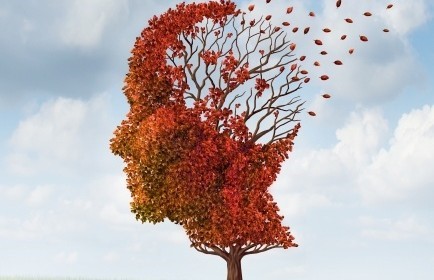
Signs of Alzheimer’s

Today the discussion revolved around Alzheimer’s disease and how to recognise it.

The expert guests on the show were Dr. Balasubramaniam, Dr. Ravi Samuel.

Jane poses a question to both Doctors, asking if it is true that Alzheimer’s is more prevalent in the west, as many people believe it to be.

Dr. Ravi says that this was the belief back in the 90s but research shows that 4/100 elders are afflicted by it even in India.

Jane then asks how can one differentiate between regular memory loss, and memory loss related to Alzheimer’s.

The Doctors respond saying normal memory loss is forgetfulness due to not paying attention. Alzheimer’s, on the other hand, affects daily life. For example, things like what you had for dinner or breakfast or even forgetting that you’ve had it already. It can be a problem for caregivers as well. Within minutes or hours, short term memory gets erased while long term memory remains unaffected.

Jane then asks the experts whether it is true that Alzheimer’s is a disease that only affects the elderly.

The Doctors both agree that it is specific to old age and begins at about about 65 years, but there are things, like young onset dementia, that can have onset even at 40.

Dr. Ravi tells the story of a patient of his, a teacher who was an intellectual & social lady who had just retired. She spent her time teaching her grand children at home. They soon noticed her teaching was no longer clear, and her behaviour started to change. She was running the show at home, so it slowly starting affecting the lives of everyone.

Dr. Ravi says that there are ways to detect Alzheimer’s. Mini-mental status exam and overall cognitive function tests to get an idea of their cognitive status. Once these are completed, they can move on to MRI scans, pet scans, etc.

A team of psychologists, neurologists and psychiatrists are brought together to give an individual the treatment.

Dr. Balasubramaniam tells us about a patient, a 70yr old lady from rural Bangalore. She was running the household, and the family didn’t notice her deterioration early on. By the time they brought her in, she had difficulty in calculation, in finding routes and would lose her way.

He says that in some cases, even hyperthyroidism can cause memory disturbance and needs to be ruled out before a diagnosis is made.

Sadly, Alzheimer’s is not curable. One can only try to improve quality of life in the early stages.

Dr. Ravi says that socialization and interaction with other people are important in preventing the onset of Alzheimer’s. Leading cognitively stimulative lifestyles, reading the paper, watching the news, going out and socialising can help. The idea is to keep feeding your brain with information and keep it active. Even having the practice of spirituality, visiting their places of worship can help as it allows one to live in hope and gets them out of the house. They say that the most effective preventive measure is to keep an active lifestyle, read a lot, play stimulating games like sudoku and crosswords and make friends you can interact with.

For the rest of us, they stress that we should spend more time with the elderly and show that we care.

Preventing Heart Diseases

Make a fist with your hand and hold it up: that’s how big your heart is. Just imagine how much work it does, for an organ that’s really actually pretty small! Makes you feel pretty responsible to take care of it, doesn’t it? Heart health is extremely important not only for longevity, but also for a life of good quality. There are certain things that are beyond your control – such as heredity, age and perhaps even location-centric hazards that may expose you to pollution and such. But, there are a lot of times when the ball is in your court to keep your heart healthy. Here are five pointers you can keep in mind to keep heart diseases at bay.

Avoid Substance Abuse of any kind: Smoking, heavy alcohol consumption and even drug use can be disparaging for your heart. Did you know that smoking increases your vulnerability to a heart ailment by filling your bloodstream with toxic gas? Or that heavy alcohol consumption can trouble your liver enough to affect your heart health? Quitting addictions to cigarettes and alcohol can bring you back to good health in a matter of a few years after drawing the line.

Get off your couch and move! Sedentary lifestyles are dangerous for your heart health. By preferring to avoid exercise, your heart is forced to pump blood for a body that is laden with high cholesterol and fat – while also combating the pressures of high blood pressure and diabetes. A good amount of exercise every day, coupled with a more mobile living can help your heart stay healthy. Use the stairs instead of the lift. Make sure to include routines of bending, stretching, squatting and reaching in your everyday activities.

Eat healthy! Sure, it’s terribly easy to pop frozen food in the microwave or to snack on a bag of potato chips, or to grab a bottle of soda to quench your thirst. But it’s also terribly destructive to your health! Substitute fried snacks with healthy options – such as nuts, and carrot, celery and cucumber sticks. Drink green tea instead of coffee, and keep your food portions to a minimum. Snacking between meals is not the best way to go, but if you simply must, eat something healthy instead!

Get some sleep! Did you know that sleep deprivation makes you vulnerable to an unhealthy heart? You are more vulnerable to obesity, high blood pressure, depression and even heart attacks, if you don’t sleep enough. Set a good sleep schedule and stick to it. A minimum of six to eight hours of sleep is an absolute necessity for your heart to function well.

Keep stress at bay! Of course you are busy: even while you read this article, your mind is probably wandering off to worry about work pressures and family demands. Stop. Breathe. Relax. Spend some time unwinding each day: listen to good music, read, walk about, talk to friends and family in person, play with a pet, and let your mind feel light. Don’t soak in stress: it increases your blood pressure and heightens the tension your heart has to deal with.
It is never too early to start to keep your heart healthy. Your heart never rests: it’s an engine that runs for as long as you live. You have a duty to take care of it if you want a good, long and healthy life. Remember, these are lifestyle choices, and not one-day or two-day affairs, so make that commitment now!

References:
http://www.mayoclinic.org/diseases-conditions/heart-disease/in-depth/heart-disease-prevention/art-20046502?pg=2
http://www.heart.org/HEARTORG/GettingHealthy/Preventing-Heart-Disease—At-Any-Age_UCM_442925_Article.jsp
https://www.bhf.org.uk/heart-health/preventing-heart-disease
http://www.lifelinescreeningblog.com/essential-heart-disease-prevention-tips/


Ways to start your weight loss journey!

Top 5 tips to help you get started and headed down the road to a much healthier you!

1. Make a Plan

how many times have you begun a diet or fitness regimen with the proverbial “I’ll start on Monday”? As Monday rolls around, you are scampering around throwing five-year-old tennis shoes in a gym bag and scouring your freezer for that one “lean frozen dinner” you know is still in there from the last diet merry-go-round.To have true success in any diet plan, it does take a little time to pre-plan. Three simple things you will need to check off your list:

Work Out Gear:
A solid pair of tennis shoes, workout clothes, and a gym bag. By making sure your gear is as ready as you are will encourage you to go to your gym and help you be effective while there.

Get Some Grub:
The true weight loss battle begins and ends in the kitchen, so making sure you have quick and easy whole foods at your fingertips is crucial.

Set Up a Timeline:
Write down your schedule each day. We all know the importance of scheduling things like doctors and dentist appointments, so use this tactic for scheduling your workouts, grocery trips, and meal preparing. By putting it in ink, you will be way more likely to get it done than if it is just an afterthought or an “I’ll get to it before the day is over” idea.

2. Find a Friend :

Schedule daily or weekly workouts together. You’ve been dying to try Zumba, so take your buddy. It’s way less scary trying new things with a partner. Share recipes and meal planning ideas. Having someone to talk to about the daily journey is priceless and will bring an amazing amount of encouragement and longevity.

Click here to Read More!

Article Courtesy: http://www.pressroomvip.com/

Fasting for your health: Harmful or helpful?

Depriving yourself of something you want is difficult enough, but fasting is more than simple self-denial: It goes against your physical needs and a lifetime of habits and mores. This self-denial is one reason why fasting is used in many of the world’s religions, but there is evidence that abstaining from food, at least temporarily, can bring a wealth of health benefits too.

Around the world and throughout time, fasting developed independently among different groups for its spiritual and physical benefits. Now, outside of religious context, some doctors consider fasting an effective method of reducing cholesterol, lowering the risk of heart disease and diabetes, and even extending life span. But this level of deprivation may not be healthy for everyone, and it certainly isn’t a good introduction to living well.

It’s not for everyone

“Fasting is an advanced technique,” says Dr. Joel Fuhrman, author of “The End of Dieting” and a fasting expert. “If someone isn’t already committed to eating healthy both before and after, it just isn’t realistic.”

Going from a strict fast back to a diet of unhealthy foods is more dangerous than skipping the fast altogether. This sort of yo-yo effect is hard on your body.

“Also, the fast itself will be more unpleasant, as your body will go through more intense withdrawal symptoms than if you were someone who was normally eating healthy foods,” Fuhrman says.

These unpleasant feelings— such as headaches, moodiness and difficulty concentrating— are often attributed to hunger by inexperienced fasters, and could give you reason to never fast again. But, several studies have identified that these symptoms stem from changes in the brain brought on by high-fat and high-sugar diets. When you cut out those types of foods suddenly and without warning, your body goes into crisis mode.

Click here to find out more about Fasting!

Article Courtesy: http://www.foxnews.com/health/

9 Energizing Practices To Stay Happy & Healthy

Our bodies need five things to survive:

Rest, Movement, Water, Food and Oxygen

If we’re constantly feeling tired or fatigued, then chances are, our bodies are telling us they need one of these five things. Understanding this basic principal can transform the way we respond to low energy.

So what are some quick wins that can bring us vitality? Here are some hacks that work best for my clients, many of whom are busy women. But these tricks work for men, too!

1. Drink water soon after you wake up. Hydrating as soon as we wake up stimulates our digestion and provides much-needed water for our cells. Aim for about one liter immediately upon waking (add some lemon juice if you like) and notice the difference in energy throughout your day.

2. Take 10 full, deep breaths. Taking short 5-minute rests where we close our eyes and shut out the world can help us reduce stress. Plus, taking a few deep breaths gives the brain more oxygen and activates the relaxation response. Schedule two brief breaks during the day. Simply lie down or find a quiet place to sit, close the eyes and breathe deeply. Many of us choose to breathe from our chests in short, shallow breaths that, over time, decrease our overall functioning and can increase our stress levels.

3. Eat plants and protein. Managing blood sugar fluctuations through diet is the best way to minimize energy highs and lows. As busy people, we often find it hard to prepare nutritious meals, which makes it easy to reach for sugary or salty snacks (which are high GI and promote a blood sugar spike, followed by a crash). Eating clean protein and plants with every meal can drastically increase our energy levels and improve our micronutrient intake, leading to a healthier and more energized body in the long term.

Click here to Read More!

Article Courtesy : http://www.mindbodygreen.com

Delay Skin Aging!

Today’s topic was how one can delay skin ageing. Dr.Ahmed a dermatologist was the expert on the show.

What is the main factor for skin ageing asked RJ Jane? Doc says it is a natural process but the main cause is exposure to Sun. Sunscreen is important – 30SPF can be used and should be applied 20 min before going out. Vitamin D is important for us to have healthy skin and bones and stepping out in the early morning sun is the best, if not make we must make sure that we have supplements.

A young mother called in and asked what she should do for her young son. Doc said let little kids play in the sun – it is good, but always limit their time in the sun – 1.5 hours is a good time without sunscreen. The next caller said that exposure to the sun causes her skin to turn pink and she gets rashes too. Doc said she should get proper treatment. She should cleanse her skin properly every morning, use sunscreen and maybe use a retinol based cream at night, but only after consultation with a dermatologist.

How do we deal with sun and swimming asked a caller? Doc said use a stronger sunscreen- 40-50spf, a waterproof one. The night before include a half boiled carrot to your meal to boost the recovery.  A 40 year old gentleman called and asked what to do about the Melasma (pigmentation) he has on his upper cheeks. He was told to visit a dermatologist and maybe do periodic skin peels to improve the skin and of course ALWAYS use sunscreen!

Maintain a healthy diet to have good skin, avoid junk food, alcohol and smoking says our expert.

Use a moisturizer according to your skin type – if your skin is very dry you should use a prescribed ointment. Others should use fragrance free creams as those with fragrances can cause absorption of UV, which is not good.  Use minimum products on the skin, this is for women. You will look better without all of the excess products.

Are Botox and non surgical procedures ok to do asked RJ Jane and the Doc says that yes, it’s ok but always get a good consultation before you go through with anything.

Cleanse, Tone and Moisturize is the best schedule for your skin and as always use Sunscreen!!


Why Exercise Won’t Counteract The Effects Of Sitting All Day

As the number of scientific studies pointing out the health risks from sitting for long periods, including early death, are published at a fast and furious pace, it’s more imperative than ever that we redefine how we conceive of our sedentary lives.

The science is redefining social and work norms including office design, meeting platforms and restaurant layouts.

New data this week now firmly associates sitting and heart disease, and we hope you’re standing up when you read this. The new data was presented in San Diego at the American College of Cardiology annual meeting. Heart CT scans and physical activity records of more than 2,000 adults living in Dallas were analyzed, and the researchers found that each hour of sitting per day was associated with a 14 percent increase in coronary artery calcification. Coronary calcification is a sign of damaged heart arteries and can increase the risk of a heart attack.

What was more shocking was the amount of heart artery damage from calcium was not associated with exercise or other risk factors. The researchers didn’t just depend on questionnaires about sitting time, but used accelerometers to actually track daily movement.

Other health conditions linked to time in the chair include:

Diabetes mellitus
High blood pressure
Obesity
Cancer
Dementia

Sitting has been found to result in changes in metabolism in as little as 30 minutes, including:

Higher levels of “bad” LDL cholesterol.
Lower levels of “good” HDL cholesterol
Higher blood sugar levels and reduced insulin sensitivity
Higher blood pressure
Lower mental alertness and positivity
Higher measures of inflammation

Click here to Read More!

Article Courtesy: http://www.mindbodygreen.com/

Multi Drug-Resistant Tuberculosis (MDR TB) Facts You Should Know

Tuberculosis is an infectious disease caused by the bacterium Mycobacterium tuberculosis. Standard treatment of tuberculosis involves a six month regimen comprising of isoniazid, rifampicin, pyrazinamide and ethambutol. Of these, isoniazid and rifampicin are the most important, and are continued throughout the six month period.

When one or more drugs are ineffective against tubercle bacilli, it is termed as drug-resistant tuberculosis. When the bacilli are resistant to at least two main drugs (isoniazid and rifampicin), it is termed as multi drug-resistant tuberculosis or MDR TB. Multi Drug-Resistant Tuberculosis (MDR TB) Facts You Should Know

1. MDR TB is a growing menace globally and especially in India, which has the largest number of MDR TB cases in the world, with around 100,000 cases per year.

2.The symptoms of MDR TB are the same as those of drug-susceptible tuberculosis i.e. fever, cough, night sweats and weight loss. MDR TB is essentially a microbiological diagnosis, and the clinical presentation may not provide clues as to whether the patient is suffering from drug susceptible tuberculosis or MDR TB.

3.MDR TB is usually acquired (previously treated patients), however, there are increasing cases of primary MDR TB (first-time patients). The main causes of MDR TB are poor patient management, non-adherence to the prescribed regimen, a poor national programme, or a combination of these three. The highest rates of MDR TB are found in previously treated patients.

For example, in Mumbai, the incidence is about 3-5 percent in new patients, but almost 20-25 percent in previously treated patients. Risk factors for drug resistance include previous treatment (especially if lengthy), exposure to other patients with MDR TB, immigration from another country with a high incidence of MDR TB, substance abuse (including alcohol), HIV infection, or being a child.

Click here to Read More!

Article Courtesy: healthmeup.com

Photo Courtesy: imgarcade.com

« Older Entries Recent Entries »