Author Archives: administrator

Start Your Morning Right!

Irrespective of whether you are a morning person or otherwise, the way you start your day can set the tone for the rest of your day. You wind up feeling good about yourself if you start your day off on a good note. Here are some sure shot ways to make sure that your day starts on the right note!
– Wake up with a smile. True, you may have a load of work or a pile of papers to read through in the day. But none of that is going to get any better if you frown your way through! Wake up in the morning with a positive affirmation that you are going to have a good day ahead of you, and that you will be happy!
– Indulge in some oil pulling! A simple technique from the leaves of Ayurvedic texts, oil pulling is just swishing oil about in your mouth for a few minutes before spitting it out. Oil rinses the bacteria in your mouth, and reinstates good health by curing you of headaches, migraines, diabetes, asthma and skin defects, while whitening your teeth, all the same!
– Exercise! Imagine waking up and stretching your body, twisting it and swinging your body into shape – that can wake you up and make you flexible for the whole day!
– Drink warm water with the juice of half a lemon squeezed into it, with a dollop of honey. The concoction helps flush your system off all the toxins, while keeping your body hydrated, and your skin, supple.
– Wake up to good music! Whether you’re a fan of Carnatic music or western classical music, or the lilting tunes of instrumental music, keep some good songs playing when you wake in the morning. This is a good way to help you improve your cognitive and mental capacity.
– Forget about the newspaper until your day has already begun! Yes, you read that right. With the media being heavily worried about the downside of the world and its activities, you don’t necessarily need to start your morning on a negative note – read the paper later in the day!
– Spend time with nature. Nothing is more refreshing than to watch nature unfold before your eyes. The fresh lushness of the morning greenery is a perfect way to start your day!
References:
http://www.mindbodygreen.com/0-18025/5-morning-rituals-happy-healthy-people-do-every-day.html


Pump Up Your Diet With Iron

Did you know that Iron deficiency is one of the most common nutrient deficiencies in the world, and is one of the earliest kinds of nutrient deficiencies? Iron is one of the most important nutrients for the functioning of the human body. It is a vital nutrient that assists in production of red blood cells and in assisting in the transportation of oxygen to all parts of the body. It also assists in reducing the extent of carbon di oxide in the body, while also assisting in the conversion of blood sugar into energy. Iron is a vital element for the able functioning of the human body.

When there is a deficiency of iron in the body, you might find yourself with shortness of breath, dizziness, cramps and even weakness in the body. Dealing with iron deficiency is not difficult: all you need to do is to include more iron in your diet. Here are some of the foods that can help you incorporate iron in your diet.
– Enrich iron supply in your body by eating organ meats, specifically liver, heart and kidney. It is scientifically proven that these meats are rich in their iron content, along with vitamins, amino acids and other minerals. They are avoidable for pregnant women, though, given that they come with high cholesterol.
– Seafood is also a very powerful source of iron that can enrich your body with sea salts as well.
– Meat, eggs and chicken – i.e., poultry in general, are very rich sources of iron. They are easily ingested and synthesized in the body when consumed.
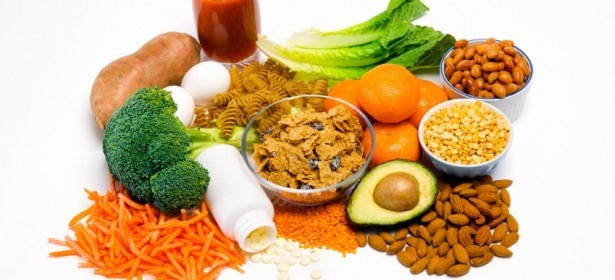
– For vegetarians, the best sources of iron are dark green leafy vegetables that include spinach and methi, or fenugreek. Beetroots, peas and beans and legumes in general come a close second in the amount of iron they contain.
– Dry fruits, specifically ones such as raisins, dates and apricots are good sources of iron for the body, and are also healthy options.
– Nuts and seeds, such as almonds, pistachios, walnuts, sunflower, pumpkin and sesame seeds are also delicious sources of iron. In addition, some foods such as flattened rice or aval / poha, jiggery and sweets such as chikkis and till laddus are rich in iron sources.
– Legumes and pulses such as dal, rajma, soy, kabuli channa, moong, toor and their sprouted beans are rich in iron, as well.
Most often, non-vegetarians have a greater advantage over vegetarians when it comes to iron and inclusion of iron in their diet. For vegetarians, the key is to get their bodies to absorb more iron than anything else. The best way to do that is to ensure that the consumption of Vitamin C and Folic Acid be included alongside iron, so that the absorption of iron into the blood stream is at a higher rate. For those with a chronically low iron content in the body, the best bet is to have iron supplements in the form of tablets – but this should be done only after being tested and under careful medical supervision.
References:
http://healthmeup.com/news-healthy-living/pump-up-your-iron-consumption/33338
http://healthmeup.com/topic/supplements

Photo Courtesy: gunbase.com

Importance of Health Insurance

Today’s topic was about the importance Health Insurance and how to go about investing in health. The special guests in the studio were Dr. Selvam, from SRM University and. Mr. Gopalakrishnan, a Health and General Insurance industry expert.
When Jane asks about why Health Insurance is necessary when in India, we went for many years without it, Mr. Gopalakrishnan says that it was not until 1986 that Health Insurance, came in, in a big way in India. He says two of the main reasons why Health Insurance has increased in importance, are:
1. Longevity: Human life expectancy has increased over the last 50 years from 40-45 years to about 65-70 now. To maintain quality of life even through the time of aging, Health Insurance is important, especially considering the many risks that one can face during these later years.
2. Medical costs – A simple operation that cost about Rs. 18,000 in the 1970s would now cost between Rs. 6-7 lakhs. These are the reasons why he says that Health Insurance has gained such importance in recent years.
Dr. Selvam says it’s most important to invest in health and that these days it should be the very first investment you make, because you’ll never know when you’ll need it. Healthcare isn’t very affordable these days.
The Indian healthcare industry was a $40billion industry in 2010 and is estimated to reach $275billion by 2020.
Mr. Gopalakrishnan points out that 70% of the revenue that hospitals make from hospitalization charges are not paid by insurance companies, but right out of the patients’ pockets. That means only about only about 20 crore people out of 120Cr are covered. For perspective, he tells us that in US, only 10% of people are not insured, whereas in India, about 80% are not insured. Considering that the average hospitalization cost is about Rs.50,000 this is a very harmful statistic.
Jane asks Dr. Selvam for some Health Insurance investment advice.
He says that to take coverage for a young family, premium would be around 10k-15k, but depending on the age of the insured, it could go up to 15-20k. So, he advises, it is better to get insured while you’re younger. He also highlights the tax benefits of Health Insurance, as you’d saving a substantial amount.
In the unorganized sector and rural areas, State Governments have tried to implement insurance schemes. For example, Karnataka has attempted a health scheme for farmers with individual and government contribution. There’s also a lottery ticket that’s proceeds go to pay the insurance premium for rural individuals.
When Jane asks what kind of policies are the most efficient, Mr. Gopalakrishnan says that family policies have lesser premium than individual policies.
The first caller- Suresh has just moved to Chennai from Mumbai. About 5 to 6 years ago he got company insurance coverage. When he went for an individual policy, the benefits in the previous policy didn’t carry over to the new one. He advises that we be very careful on what you’re signing up for, and always read the fine print.
Mr. Gopalakrishnan says that individual insurance coverage varies mostly because hospital room rates vary. He says not to just depend on the agent, but to refer the company website for such details. Individual policies are usually capped, but group and company policies are capless.
Dr. Selvam also shared that there’s something called cashless services, which many policies offer through 3rd party administrator. These are the features and services that customers must look out for while choosing a policy. Make sure you know exactly what is and isn’t covered. Be honest with your medical history too because Insurance companies have ways of tracking down such history.
Another caller – Hamir, also agrees that cashless service is the best facility offered by most insurance companies. But he says to always check which all hospitals are covered by your policy and whether all features are covered in all hospitals.
In conclusion, both guests give the same message: Take health seriously and give it priority. And the rest will fall into place. Protect health, and create wealth.

Picture Courtesy : rodneyellis.com

Ways to sleep peacefully!

Woken up many nights in a row with a cold sweat taking over your head and back? Feeling clammy and disturbed? Did you see something in a dream that is now occupying far too much space in your mind to leave you to your peace? Well. Looks like you’ve had a nightmare!

Chronic nightmares is a realistic issue, and many over the world face the challenge of having to wake up from difficult dreams that don’t let them rest. Science proves that dreams are a product of Rapid Eye Movement, an action that allows one to capitulate images from their subconscious memory in a series of representations while asleep. To this end, certain images remain ingrained in your mind, and remain a recurring dream. Needless to say, nightmares are a nightmare, in that they don’t leave you with much comfort. Here are a few ways to help you overcome your chronic nightmares:

Make notes: Keeping a dream journal is a very useful way to keep in touch with your mind and what it is trying to tell you. It is also a way for you to try to identify the intensity of the nightmare, and gauge when it is at its worst, or when it is comfortably better. Accordingly, you will be disposed to make changes in your lifestyle.

Use the imagery rehearsal therapy (IRT): When nightmares keep coming back over and over again, they are chronic. Owing to the repetitive nature of these dreams, it is easy to recollect some, if not all, details from the dream you see. Psychiatrists use a technique called the Imagery Rehearsal Therapy, to help treat chronic nightmares. All it requires is for you to write down a very basic description of the nightmare itself. Then, after that, be guided to start altering the course of the nightmare – you can rewrite the ending, and then the remainder parts of the dream. Then, once you have the new dream in order, spend some time mentally rehearsing the new dream. This will help you alter the kind of visuals you see in your nightmares. Before sleeping, make sure that you tell yourself that you have influenced the course of your dream, and that your mind should show you this new dream.

De-stress! Most nightmare issues come from a place of stress in life. When you experience a lot of stress and don’t give your mind or body an outlet for the stress, your mind finds ways to release the pressure. Invariably, this manifests as nightmares of a repetitive and chronic nature. Some useful ways to de-stress would be to do yoga, meditation, to listen to peaceful and soft music, and also perhaps to do some breathing exercises.

Avoid watching television : particularly violent programs – and / or reading violent books with content that makes your mind fall in line with a rather aggressive state. If you simply must read or watch something, preferably watch shows and programs or read material that are light on the mind.

References:

http://healthmeup.com/news-healthy-living/how-to-overcome-chronic-nightmares/32917

Photo courtesy: readlakewriter.wordpress.com

Fitness As A Lifestyle

Staying fit is really all in your hands: for fitness is a lifestyle choice and not a burst of activity somewhere in between. It is for this reason that such things as crash diets and temporary starvation do not work to get you toned down in terms of weight. To make sure that you enjoy healthy and sustained living without compromising on the good things in life, here are a couple of fitness tips for you to swear by!

– Cut back on all things white: let go of white bread, refined flour, sugar and excess salt. White foods come with the heavy price of cholesterol and can impinge on the well-being of your heart.
– Eat whatever you want, but in moderate portions that are reasonable. Instead of starving, enjoy all that you like, but without binging.
– Workout regularly! Make sure to follow a fitness regimen that challenges your body and attacks fat through systemic muscle-building efforts.
– Sleep a minimum of 6 to 8 hours every night to ensure that your body and mind are in good health.
– Drink lots of water to ensure that you are not dehydrated, and make sure to give your body plenty of different kinds of fluids through the day if you live around hot climatic conditions.
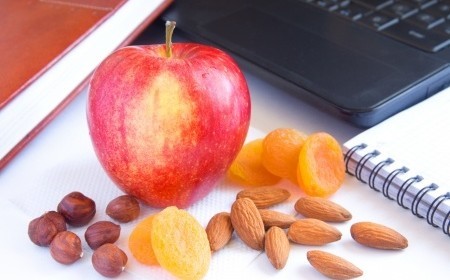
– Snack wisely – stock up on nuts and celery sticks, and snack up on these bites rather than oily and fat filled snacks that might be impinging on your heart health!
– Make lifestyle changes. Walk about every day. Bend over, squat, stretch, reach and lift as and when you can. Take the stairs instead of using the lift, substitute a chair for a good gym ball that can keep you actively engaged.
– Spend some quality time pursuing a hobby or interest that makes you feel good about yourself, so that you can relieve yourself off the tensions of stress and demands of life.
– Find a friend to keep your efforts buoyed: sometimes, doing this with a companion can help motivate the two of you equally!
– Stay stress free by indulging in activities that allow you to stay fit mentally, and that will spill out onto the world around you, by making it all the more peaceful and calm for your well-being.
– Laugh, and be positive about life in general: remember, it takes fewer muscles to smile than it does to frown!

References:
http://www.health.com/health/gallery/0,,20513624_2,00.html

Stay Young, Stay Healthy!

If you are what you eat, then you should certainly be eating your way to staying young! A long, happy and healthy life is a product of many factors, and one of it is eating well and staying healthy with your nutritional needs in order. Science has proved that age has a relation with the kind of food we eat – and therefore, the consumption of certain kinds of food can help shape your physical state in a way that can defy age, even. Here are some of the foods you can eat to stay young, fit and healthy!

• Soya: Soya is one of the most commonly suggested anti-aging food. It is believed that soya has the capacity to promote healthy hormone levels on an eco-genetic level, and can also keep the body young, supple and energized.
• Thyme oil: A simple spice that can enhance taste in all that you eat, thyme is much more than just a flavouring agent, especially when ingested as oil. Thyme helps to inhibit the presence of COX-2, which is an enzyme that augments inflammation and ageing in the body. By reducing and inhibiting COX-2, thyme oil keeps your body’s age organically young.
• Olive oil: Olive oil has the ability to help you cut back on carcinogenic growth of cells and keeps cancer at bay. In the process, it also assists keeping your heart in good stead by reducing the risk of cardiovascular diseases, while also keeping the mind sharp and healthy, by guarding against dementia and Alzheimer’s.
• Plant sterols, or plant cholesterols have been known to have a considerable amount of T-cells, which are killer cells, that help to enhance cellular immunity. In the process, they also keep your body young and supple. A good way to get a steady supply of plant sterols is to use pumpkinseed oil and chia seeds in your diet.
• Grape it up! Eating grapes can be of immense help to ensure that you have good health and remain young. Grapes contain polyphenolic substances which are known to have anti-inflammatory and antioxidant effects to support good brain health. They are especially good in keeping neurodegenerative diseases such as Alzheimer’s, in controlling the inflammation of the brain. The presence of anthocyanins in grapes can assist crossing brain tissue – which can help regulate cognition. The presence of resveratrol in wine and grapes help to lower the risk of cognitive decline.
• Hydrate yourself well: As you age, your skin dries, your joints become creaky and your body is in a more dehydrated state. This leads to wrinkles, dry skin, dehydration, slowing down in organ functioning owing to the lack of water in the body, and even a weaker circulatory system. Keeping yourself hydrated can augment your health and retain youth.
Age is a number, really: and with the help of the right kind of eating and dietary components, you can stay healthy and young, defying what your birth certificate ascribes to you for years to come with ease! ‘

References:
http://www.mindbodygreen.com/0-18084/9-ways-to-slow-down-aging-through-your-food-choices.html
http://articles.mercola.com/sites/articles/archive/2010/02/27/top-7-foods-that-slow-your-aging.aspx

Ways to Increase Your Peace of Mind

The Buddha once said, “Your mind is everything. What you think, you become.” Your mind is where you live, really: it is your space with your thoughts, and it is the platform from which you engage with yourself and the world. Did you know, that most diseases are really not physical conditions, but a manifestation of what your mind carries in it? Stress, fast paced living and the demands of a modern life put a lot of pressure on your mind. To keep your mind healthy, here are some simple ideas!

• Eat well: It is important that you eat well, and eat nourishing food. Foods that have a rich supply of vitamins, folic acid, omega-3 fatty acids and salts keep your brains sharp and active. An empty stomach can also cause your mind to slow down. Starving is a big no-no!
• Sleep enough: If you give your body at least six to eight hours of sleep each day, your mind is sharp, alert and remains with good memory. You are less susceptible to stress when you rest well. Otherwise, your mind is full of thoughts and it destabilises your capacity to think.
• Exercise regularly: Keeping your body fit and exercising regularly gives you physical strength to withstand stress. Exercises also keep your mind fit, allowing you to blow off steam from all the demands of life and work. Yoga and breathing exercises specifically help you fight stress and keep calm.
• Be social: The more you talk to people around you and interact with them in real time, the better your mind is at staying healthy. Interactions have been confined heavily by technology, and these things tend to stunt your social skills. Talk to people, have simple and light-hearted conversations and engage with others for a healthy mind.
• Indulge in a skill: Keep up with your hobbies and talents, enjoy a skill and hone a hobby. The more you do to keep your creative juices flowing, the more vibrant you become, inside and out. It gives your mind a fantastic workout that will allow you to be more alert and sharp. Doing puzzles and playing games also allows you to keep your memory, logical and decision-making skills and thinking skills alive.
• Laugh out loud! Watch sitcoms that are funny, read a funny book, listen to jokes and perhaps even join a laughter club. The more you laugh, the more you allow your mind to soak in cheerful fervour. A cheery disposition sets in, making you capable of taking on life’s stresses without tension.
• Bust all your stress: Stress is easily a key factor in bogging you down and bringing down your spirits. It happens – especially seeing how fast-paced life has become, and how there are tremendous demands on everyday living. Set some time to unwind, relax everyday and invest in yourself, and siphon out your stress out of your system to enjoy a peaceful mind.
It is important to make sure that your mind, just as your body, gets all the nourishment it needs, to stay healthy. Your mental state is significant, for it controls your consciousness and also determines how you and your body operate.

References:
http://www.healthxchange.com.sg/healthyliving/SpecialFocus/Pages/10-Proven-Ways-to-Achieve-Mental-Wellness.aspx
http://www.mentalhealth.gov/basics/what-is-mental-health/
http://www.mindbodygreen.com/0-18084/9-ways-to-slow-down-aging-through-your-food-choices.html

Picture Courtesy : http://liveboldandbloom.com/

Afternoon Snacking

Today’s show was all about afternoon snacking. The special guests were Achsah – a Sports Nutritionist, and Dr. Nirmala Jesudasan, a Nutrition expert.
Jane poses a question to her guests, asking what’s the afternoon meal trend in Chennai.
Achsah says that it’s mostly carb rich and doesn’t contain much fiber. Most people load up on rice & veggies or chicken.
Dr. Nirmala agrees, saying that she mostly sees people who bring a big box of rice and sambhar to work. Even those who go out for lunch often end up eating a rice-heavy meal.
Jane points out that some people have grown a bit health conscious and choose to substitute white rice with brown rice, millets or Ragi and other healthier options, which seems to be the trend even at her office. But this doesn’t always include the IT crowd and many other industries these days which have long working hours and people have the tendency to resort to fast food. She asks if there’s a way to substitute that with something healthy.
Dr. Nirmala says that the surest way is to ensure that whatever you’re eating, limit the quantity. For a midday snack, she advises against consuming biscuits, juices & soft drinks. Instead, she says, snack on about 30gm of nuts, or fruits. Eating whole fruits is better than fruit juice as it retains all the healthy fibers. She advises us to avoid artificial sweeteners and diet soda. The healthiest juices would be tomato or amla.
The first caller of the day – Krishka, is a health freak who was in the UK for 2 years. She notes that people there were always very health conscious, but lately she’s noticed that it’s catching on here too. She says that she takes steamed sweet potatoes for a midday snack and a khati roll made without any oil for lunch. Additionally she also takes some mixed boiled beans with pepper and oregano and lime for an evening snack.
Achsah says that often, when one person takes this step towards healthier eating, people around them get inspired.
Krishka adds that she tries to exercise but she’s not able to maintain a routine. Instead she tries to walk every morning for 15-20 minutes or at least as much as she can during the day, even if it’s around her office campus.
Jane asks Dr. Nirmala about the sudden fad of detoxing. Many people go on detoxes with things like green tea, spas, etc. She asks, is it medically proven?
Dr. Nirmala responds that the liver does the detoxing for us, so she’s cautious of detox regimes that are fads. But green tea, she agrees, is full of antitoxins and is very healthy.
Achsah says that 3-4 cups a day of green tea is ideal but overdoing it will dehydrate you.
Jane asks how do you bring some colour into your lunch box?
Dr. Nirmala says salad would be the best way to go. You can also have boiled vegetables like broccoli and carrots. Seedless grapes are also very healthy. Salads can have low calorie dressing, lime juice or vinaigrette with mustard, red wine vinegar, etc.
Jane now throws an open challenge to listeners, asking for men to call in and talk about their roles in the kitchen!
The next caller – Siaram handles Sales and Marketing for a company. He helps his wife cook everyday, even if it is just cutting vegetables and prepping for the actual cooking. He makes it a point to take a salad everyday with his lunch. He says it’s a pleasure to spend time in the kitchen with his wife and that children also enjoy it.
Jane congratulates Sairam and his wife Radha for the great dynamic they’ve got together!

The next caller says he doesn’t cook his own meals nor does he like to. He says he just wasn’t raised that way. His wife cooks for him, and only when he’s alone and without a choice, does he make something for himself. He says that he is overweight at the age of 63 and wants to change his lifestyle to lose weight and get healthy.
Jane suggests, that the first thing for him to do is to get into the kitchen and help his wife!
Dr. Nirmala says that there are only two ways to lose weight – control food intake & exercise. She advises him to visit a dietitian. Rice intake should be limited to no more than 1 or 2 handfuls and more vegetables should be included in the diet. Chapathis are also a good alternative. She says soft drinks, fried food and sweets are a big no-no!
The last caller – Shalini proudly says that her husband Shyam helps her everyday in the kitchen and that she really appreciates him for it! She says it’s a very happy time to be in the kitchen with the hubby every morning. They usually take vegetables and seasonal fruits for snack time, whereas for lunch, it’s rice followed by a banana & homemade fruit juice after they come home in the evenings. As a family, they also take soaked almonds in the evening with tea or milk. They make it a point to keep switching between different nuts and dried fruits to keep it interesting.

Dr. Nirmala has a French sun in law, so Jane asks her how different snacking habits are in Paris. The Doctor says lunch is a very light meal in Paris. Parisians also walk everywhere, which helps them keep fit. They’re more particular about adding seasonal foods in their diet. They support local fresh and organic produce.
Achsah concludes saying that the healthiest meals should have less carbs and more protein. All three emphasize that men should start cooking or helping out in the kitchen at least to know what goes into the food, and help keep it healthier.
Jane closes with an inspirational quote by the Dalai Lama – “The various features and aspects of human life, such as longevity, good health, success, happiness, and so forth, which we consider desirable, are all dependent on kindness and a good heart.”

Importance of Folic Acid in your diet!

Folic acid is an integral part of your bodily nutrient needs. Besides keeping diseases at bay, it assists several body functions such as cell repair and maintenance, synthesis of DNA and metabolic processes involving amino acids. Here are some of the most important benefits of using folic acid.

– It assists pregnant women in retaining good health, and also benefits foetal health: Folic acid is an essential prerequisite for pregnant women and unborn foetuses. They help in brain and spinal cord development of the unborn child, and the deficiency of folic acid can also result in severe birth defects, such as paralysis, brain damage and still born children. Moreover, it also helps the pregnant mother retain her health and gives her the nutrient support that she needs while carrying a child.
– Folic Acid is vital in allowing the brain to function normally and to remain active: Research has shown that folic acid is vital for the normal and healthy functioning of the brain. It assists in slowing down the effects of ageing on the brain, and also assists in retaining the sharpness of the brain and its functions.
– Folic acid is vital for blood health: Folic acid is a vital element that assists and aids the production, maturation and development of red blood cells. Along with iron, folic acid is an integral solution for anaemia and helps retain high haemoglobin levels. It is also equally important for the production of white blood cells, and helps to process and synthesize iron so that the body remains in good blood health
– Folic Acid aids mental health: Studies have shown that the regular and healthy consumption of folic acid can also assist in reducing depression and other mental illnesses. It is also used in anti-depressants and keeps diseases like dementia and Alzheimer’s disease at bay. It is supposed to have the capacity to keep memory loss and stress related tensions at bay.
– Keeps heart health preserved: Folic acid is vital in the retention of good heart health. It has the ability to regulate blood pressure and keep things like strokes and cardiac arrests at bay. It is also a vital element in ensuring that the toxic compound, homocysteine, which causes severe arterial damage, is removed from the bloodstream.
– Folic Acid prevents Type-2 diabetes: Since folic acid is capable of incrementing metabolism, it can also increase the breakdown of triglycerides, or the fats present in the blood. In the process, the blood levels gain a stable level of triglycerides that are associated with obesity and therefore reduces the risk of type-2 diabetes.

– Keeps Cancer at bay: Given that Folic Acid can help healthy and normal cell division and repair in the DNA, it is a vital element in preventing cancer.

One little dose of Vitamin B9 is all it takes to stay in good health! Some of the more common foods that have rich resources of folic acid include lentils, beans, peas and even dark green vegetables. The benefits of folic acid are manifold – ranging from full-fledged heart health to even keeping strokes at bay. Folic acid is typically Vitamin B9, and has tremendous value for the human body.

References:

Photo Courtesy: www.themonitordaily.com

World Health Day 2015: Beware of Food-borne Diseases

April 7 marks World Health Day. As much as it is important to ensure that your health be given importance every day, designating this one day is a gentle reminder that we have a lot to do for our minds and bodies to stay healthy.Your body and mind are the lone companions that remain with you life-long, and it’s incredibly important that you stay healthy. One of the biggest factors in keeping healthy is in keeping an eye on what you put into your system.

Did you know that what you eat can be harmful – not just in terms of the nutrient contents, but in terms of the food-borne diseases that it carries? Food-borne diseases or food poisoning is a bit of a global issue. There are as many as 3 to 5 billion cases of diarrhoea in the world, and as many as 1.8 million deaths occur in a year, owing to diarrhoea. With as many as 250 different kinds of food-borne diseases doing the rounds, there is a lot of cause for alarm.

The range of food-borne diseases is carried forward through parasites, bacteria, viruses, allergents, chemicals and toxins. Some of the commonly known kinds of food-borne diseases are as follows.

By and large, all these diseases are accompanied by specific symptoms, but in general, they all exhibit symptoms such as diarrhoea, nausea and vomiting, abdominal cramps and fatigue.

– Campylobacteriosis, caused by a kind of bacteria called Campylobacter, is one of the most common kinds of diarrhoea in the world. This kind of bacteria lives in the intestines of healthy birds, and therefore, is found in poultry, and can be contracted either by eating undercooked or raw chicken, drinking raw milk or unhygienic water.

– E. Coli is also a bacterial form of diarrhoea. The bacteria resides in the intestinal tracts of animals and humans and are harmless, but there are certain strains that can cause food poisoning. It gets into the blood stream through cattle, and consumption of contaminated water, milk and meat can spread this.

– Salmonellosis is a result of salmonella poisoning, which is found in the intestines of birds, reptiles and mammals. Sea food, poultry and even unhygienic water can cause this. Salmonellosis can be life-threatening.

– Shigellosis is caused by Shigella bacteria, which is spread by drinking contaminated water. – Botulism which affects the nerves and causes paralysis and respiratory failure if left untreated. It is caused by the Clostridium botulinum bacteria that can be found in sealed and canned food, and also in some vegetables like potatoes and tomatoes.

– Hepatitis A is a disease of the liver, where there may be an inflammation of the liver, lasting for a few weeks to many months. It can be spread through contact with the one with the disease, and is caused by bad sanitation and unhygienic conditions.

– Norovirus Infection is another food-borne disease that is caused by a virus that is found in contaminated surfaces and food.

References:

http://healthmeup.com/news-buzz/food-safety-foodborne-diseases-you-should-beware-of/35989

http://www.stopfoodborneillness.org/what-is-fbi http://www.who.int/foodsafety/areas_work/foodborne-diseases/en/

Photo Courtesy:www.nettedavi.com

« Older Entries Recent Entries »